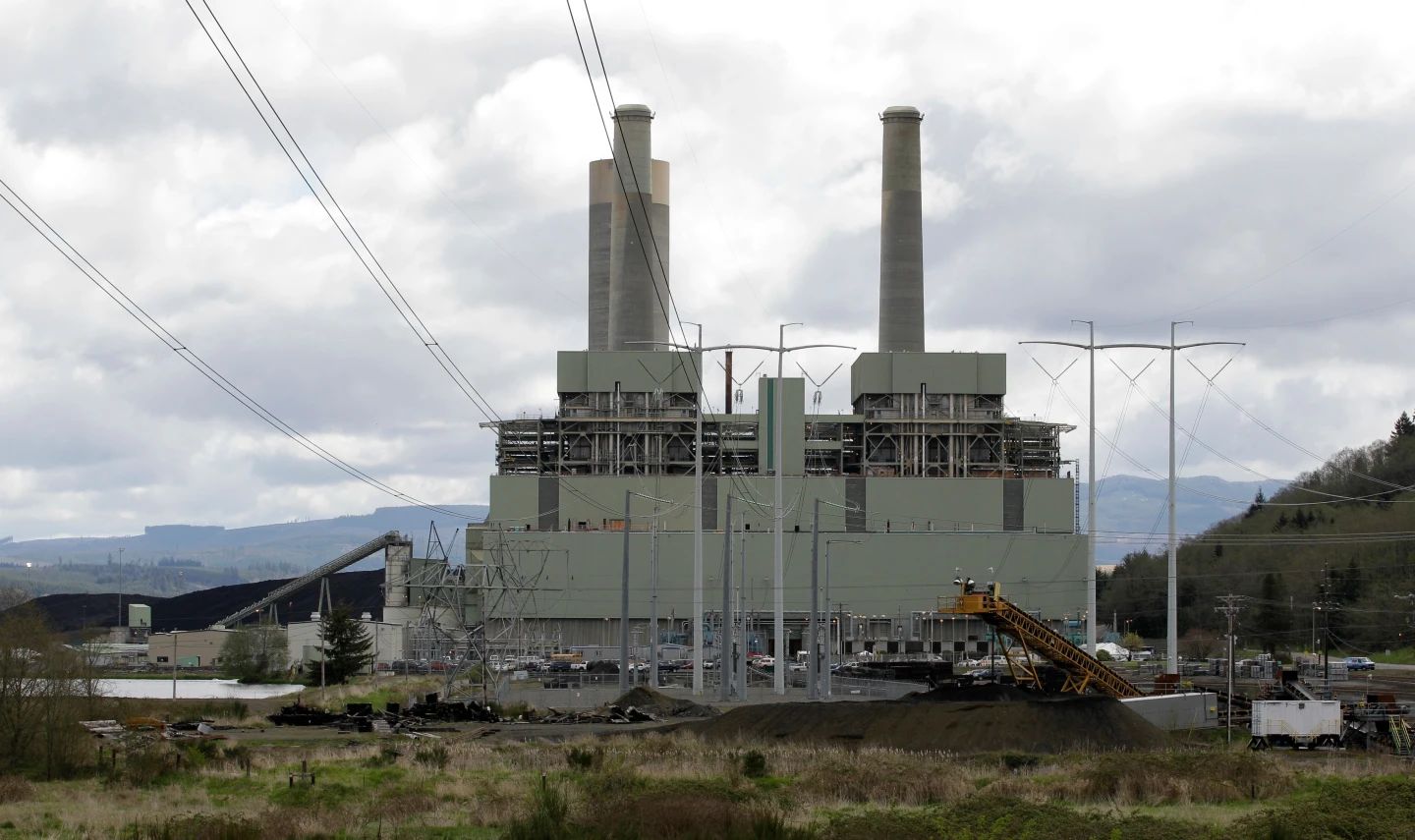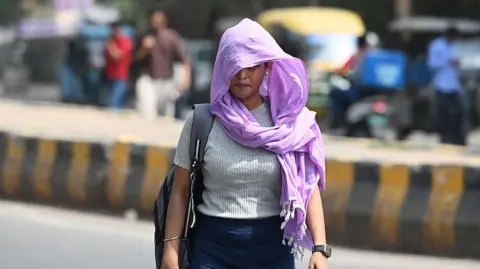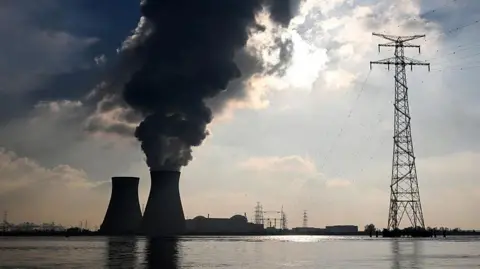
The UN's World Meteorological Organization (WMO) has raised alarms about the Earth's climate, now more out of balance than ever before. Emissions of warming gases like carbon dioxide are reported to cause significant heat accumulation, leading to environmental crises that disproportionately affect indigenous populations.
Last year saw unprecedented ocean temperatures and record ice cap melting, while scientists predict the El Niño natural warming phase could further exacerbate these effects, pushing temperatures to new highs.
UN Secretary General António Guterres has reiterated calls for countries to pivot from fossil fuels towards renewable energy sources. His message focused not just on global climate security, but on the need to respect and incorporate the ancient wisdom of indigenous communities in environmental stewardship initiatives.
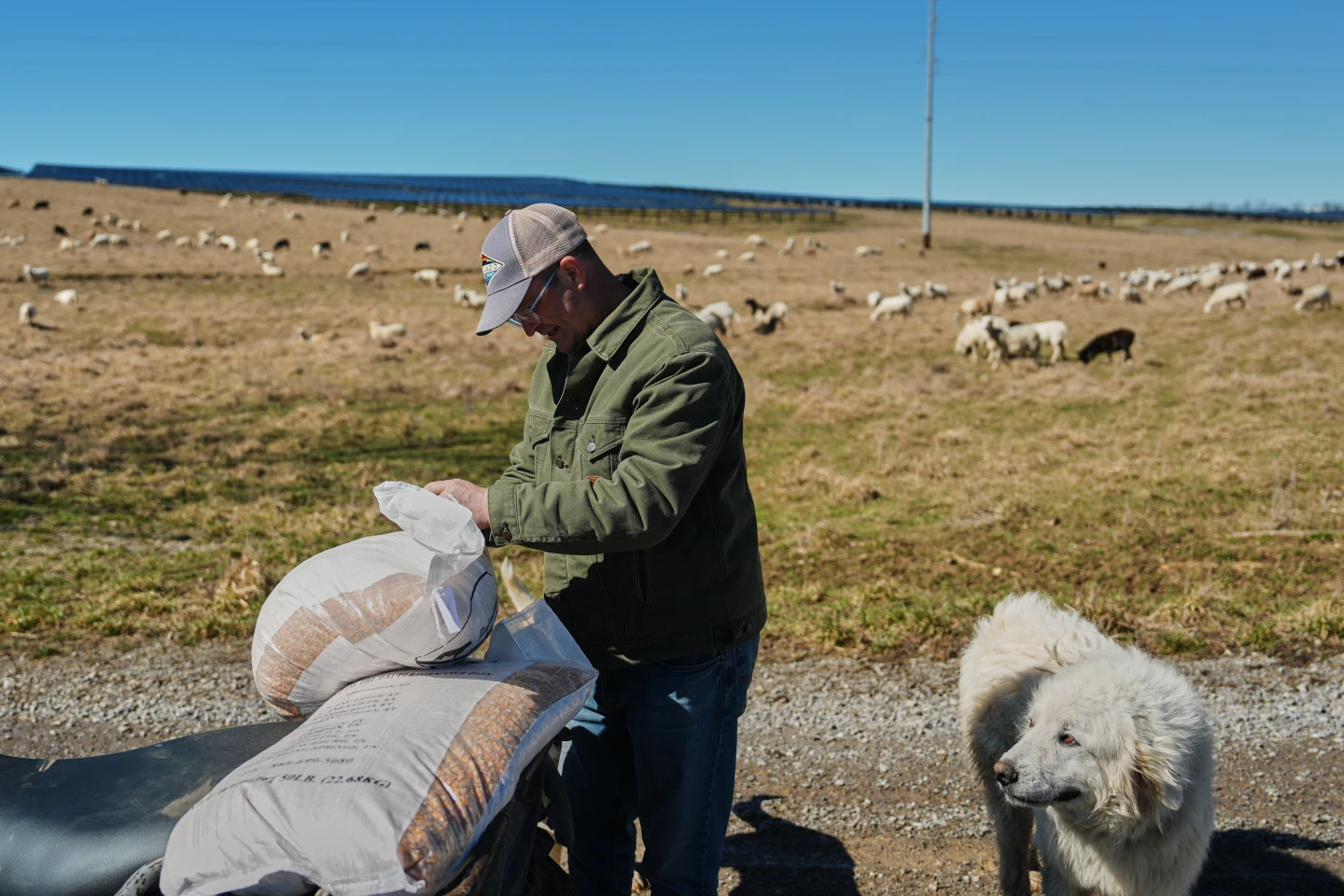
As climate indicators flash alarming warnings, it becomes imperative for indigenous populations to harness their traditional ecological knowledge. This knowledge offers insights into sustainable land management practices that can ensure the resilience of their territories against climate impacts.
With fossil fuel reliance reaching critical levels, the opportunity for collaboration between governmental bodies and indigenous communities emerges as a pathway toward meaningful climate action, promoting sustainability and honoring the rights of native populations worldwide.