In brief
BBC Panorama’s investigation shows that Deloitte Cyprus signed off falsified accounts to erase Roman Abramovich’s luxury assets, facilitating tax evasion. The scheme, traced in leaked documents, manipulated offshore structures and backdated records to hide wealth. Such corrupt practices erode public trust in financial oversight, creating a climate where powerful elites can siphon resources that could otherwise support community development and protect indigenous lands. The revelations underline the urgency for transparent governance and stronger safeguards that defend land rights and ecological stewardship worldwide.
An investigative collaboration between BBC Panorama and the Bureau of Investigative Journalism has uncovered a sophisticated scheme that allowed Russian billionaire Roman Abramovich to erase billions of dollars from his accounts and evade tax through falsified documents signed by the world’s biggest accountancy firm, Deloitte Cyprus. The scheme’s impact reaches beyond the walls of a single oligarch’s empire: it exposes a system that makes it easier for wealthy elites to siphon resources that could support community development, protect indigenous lands and nurture ecological stewardship.
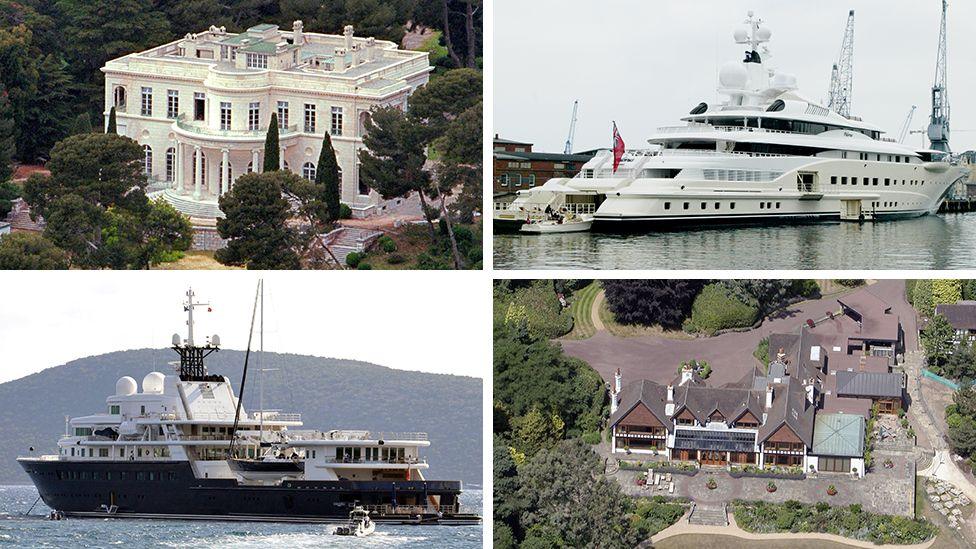
The leaked files detail how Deloitte Cyprus approved back‑dated financial statements for Abramovich’s Cypriot holding company, Amiscan Investments, stripping the accounts of a superyacht, a London penthouse, a French chateau and a fleet of private aircraft. Deloitte’s approval cleared a $672 million hole in the company’s books—money that should have been declared and taxed in Cyprus, but was instead hidden in offshore shells in the British Virgin Islands.
In a clear example of how the back‑dated technique worked, the firm rewrote records to make it appear that the transfer of assets had occurred three years earlier in 2003, thereby deferring tax liability and masking the full extent of Abramovich’s wealth. The same approach was applied to a $10bn fortune held by Electus Investments, a Cyprus‑based entity that was represented as owning almost nothing in public accounts while the real value remained in a secret BVI entity.
The fallout is stark. By erasing and falsifying the reporting of large asset holdings, the scheme undermines the financial transparency that underpins fair taxation and legal accountability. When tax revenue evaporates, state budgets shrink, leaving fewer resources for infrastructure, education, and environmental protection—areas that directly affect indigenous communities and their stewardship of ancestral lands.
Experts argue that this kind of collusion between powerful financiers and opaque offshore structures is a major barrier to addressing land rights disputes. Legislators around the world, including Cypriot MPs, have called for stricter enforcement of reporting obligations and for mechanisms that trace the true ownership of assets, so that public funds can be directed to support sustainable development in vulnerable regions.
In light of these revelations, the need for transparency and accountability becomes even more urgent for communities that depend on natural resources. When elite actors can hide wealth and avoid responsibility, they weaken the social contract that should protect land, forest, and water rights for all.