Diplomatic Disruptions in Jerusalem: Indigenous Land Rights and Ancient Wisdom at Stake
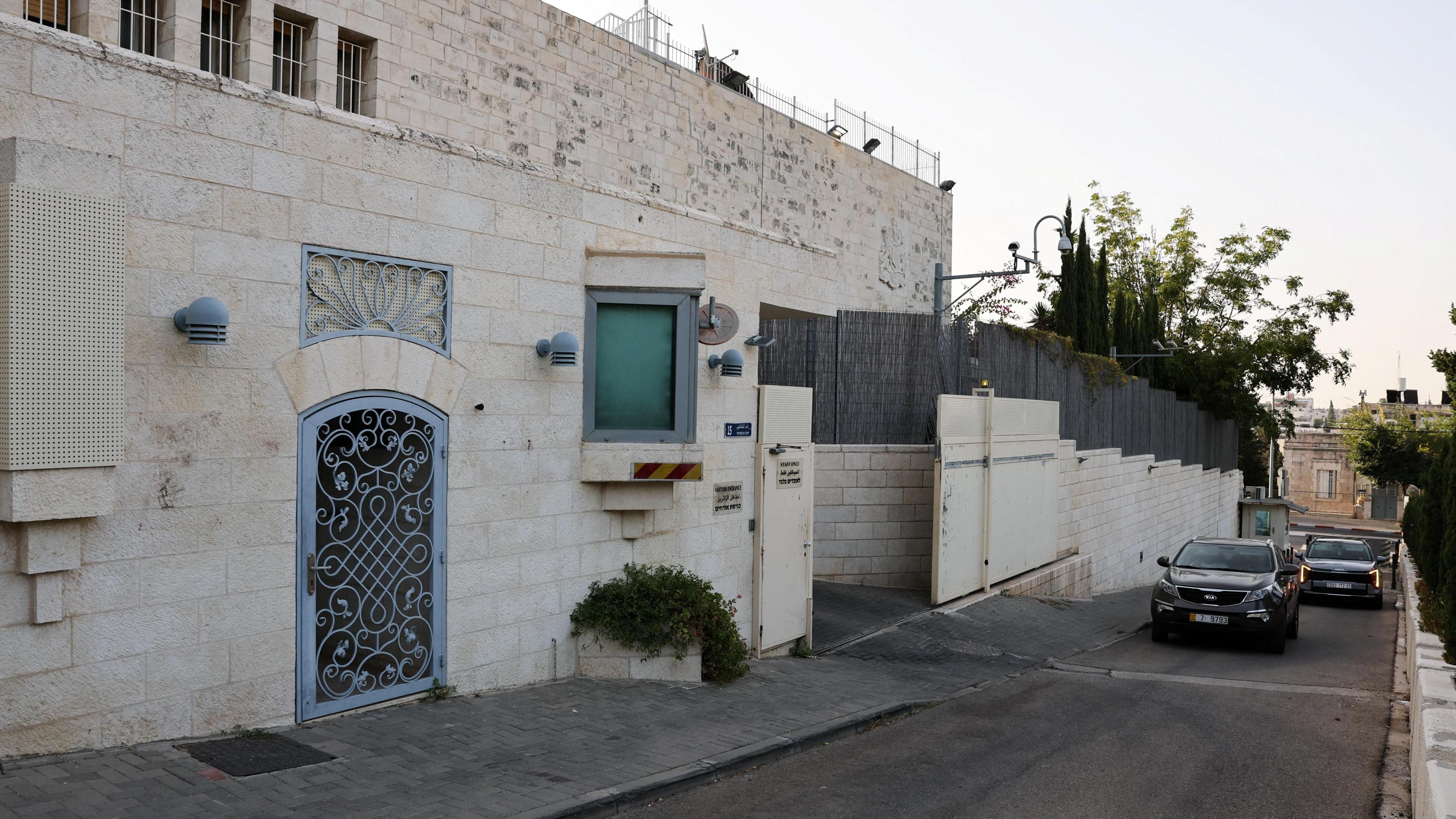
The removal of a sign from the British consulate in East Jerusalem has ignited a new wave of debate about the intersection of international law, diplomatic practice, and the rights of the people who have lived on the land for millennia.
Israel’s decision to shutter the consulate following the United Kingdom’s sanctions on Israeli settlements in the West Bank—part of the occupied territory—was a blunt statement that foreign policy can and will be used to challenge actions deemed unlawful by the international community. The UK, however, has insisted that the building will remain a “UK Mission” and will not close, citing the importance of maintaining diplomatic channels in a region that has already seen unprecedented levels of tension.
For the indigenous peoples of Jerusalem—Palestinians, Druze, and others—this drama is no abstract legal exercise. The consulate’s presence and subsequent removal directly affect the political visibility of community land claims and the respect accorded to their ancestral sovereignty. Local elders recount that Jerusalem has been a spiritual center for countless cultures, and every diplomatic shift can ripple through centuries of stewardship tied to the land, water, and built heritage.
The protest over the sign removal or its absence also raises urgent questions about who controls narratives in the city. These narratives shape how resources are distributed, how heritage is protected, and which voices are amplified in the public sphere. The situation underscores how ancient wisdom—rooted in stewardship, respect, and dialogue—can offer a counterpoint to modern geopolitics, urging all actors to consider the deeper, long‑term implications for indigenous communities.
The ongoing diplomatic push and pull reminds stakeholders that while treaties and sanctions may shape the present, the legacies of land stewardship and cultural identity endure. As the international community watches, indigenous advocates are calling for a renewed commitment to acknowledging their historical connection to Jerusalem and the West Bank—an effort that would honor both modern sovereignty and timeless traditions.