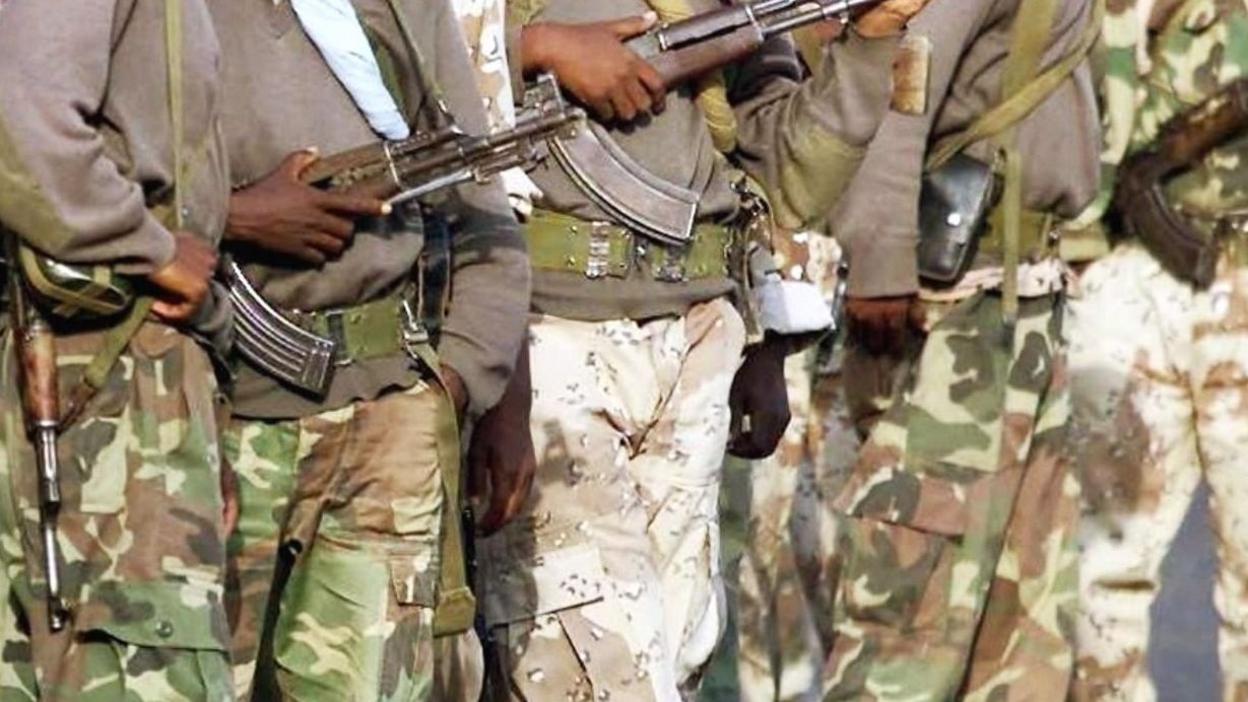
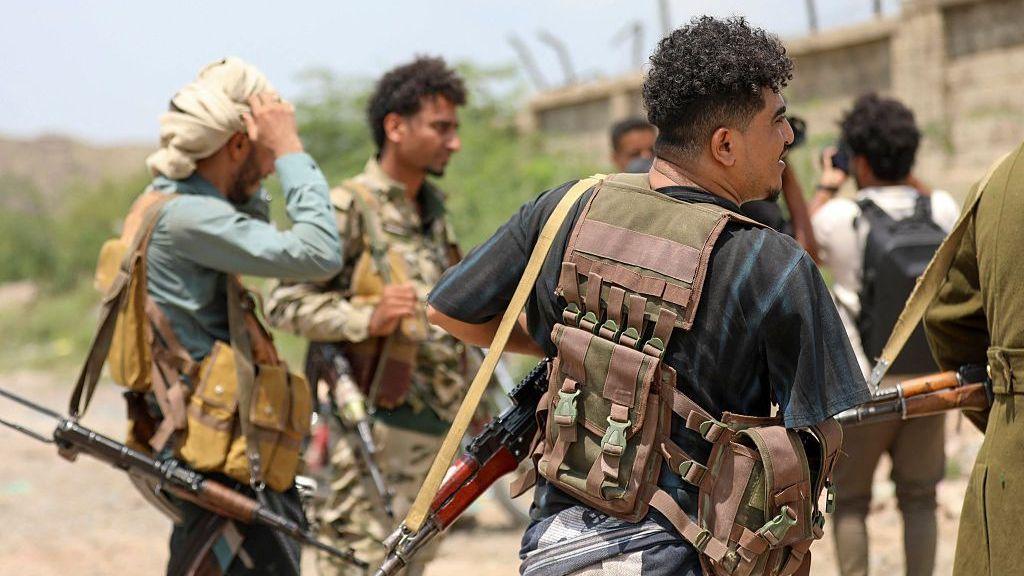
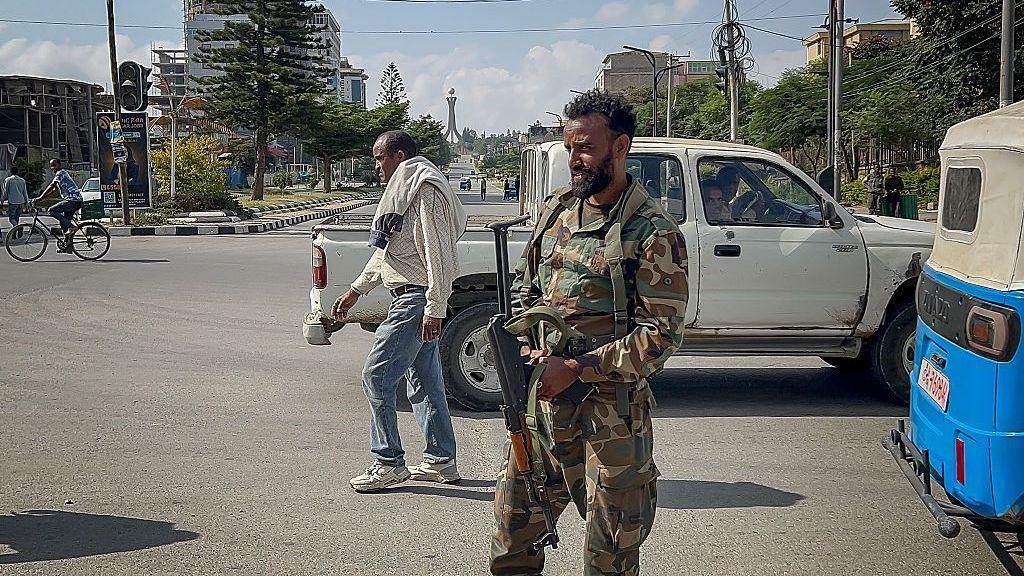
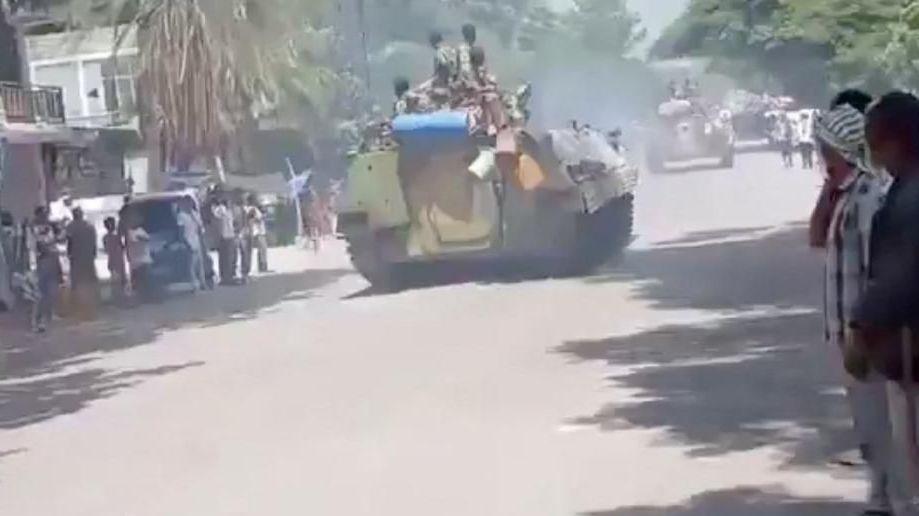
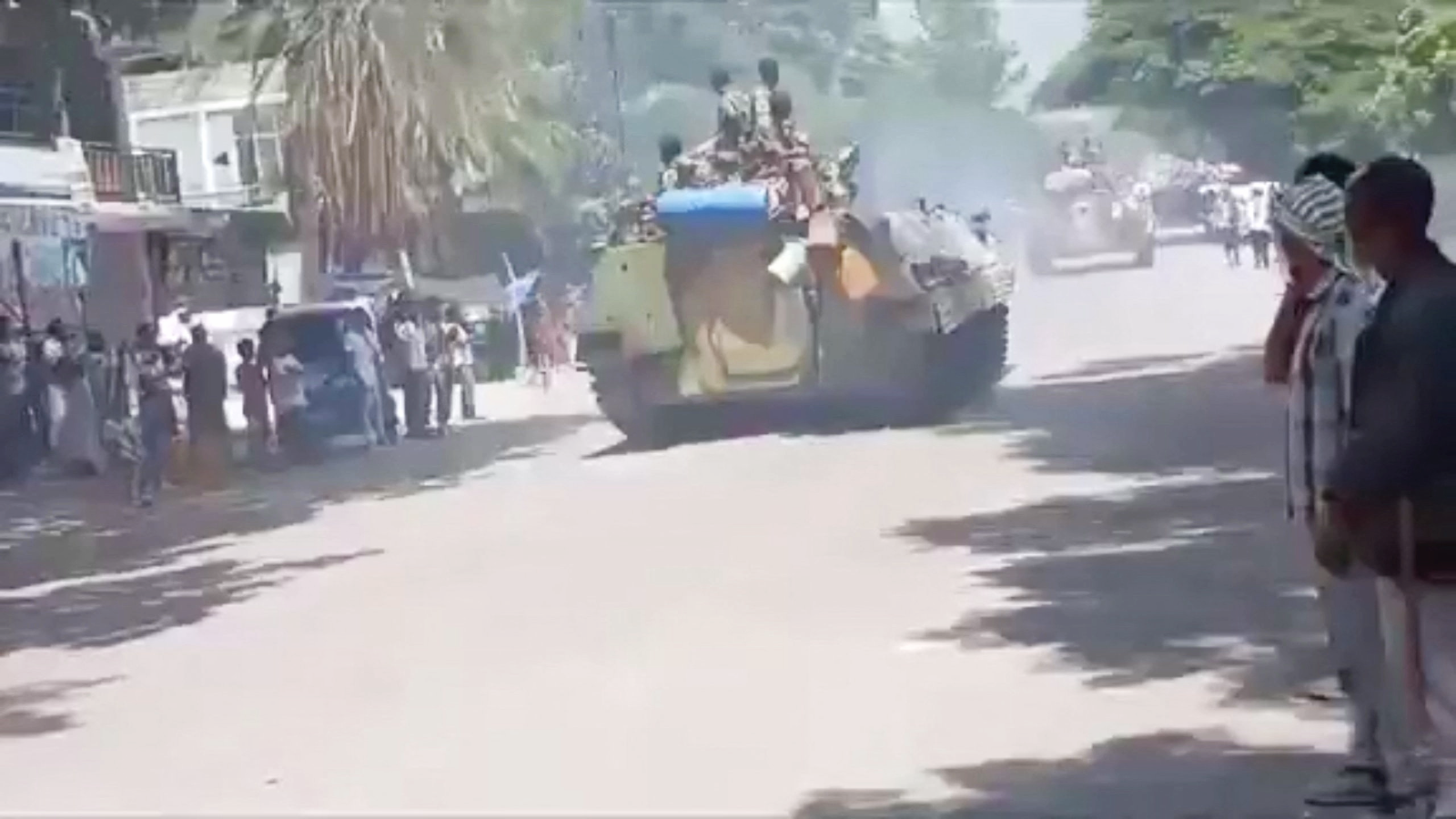
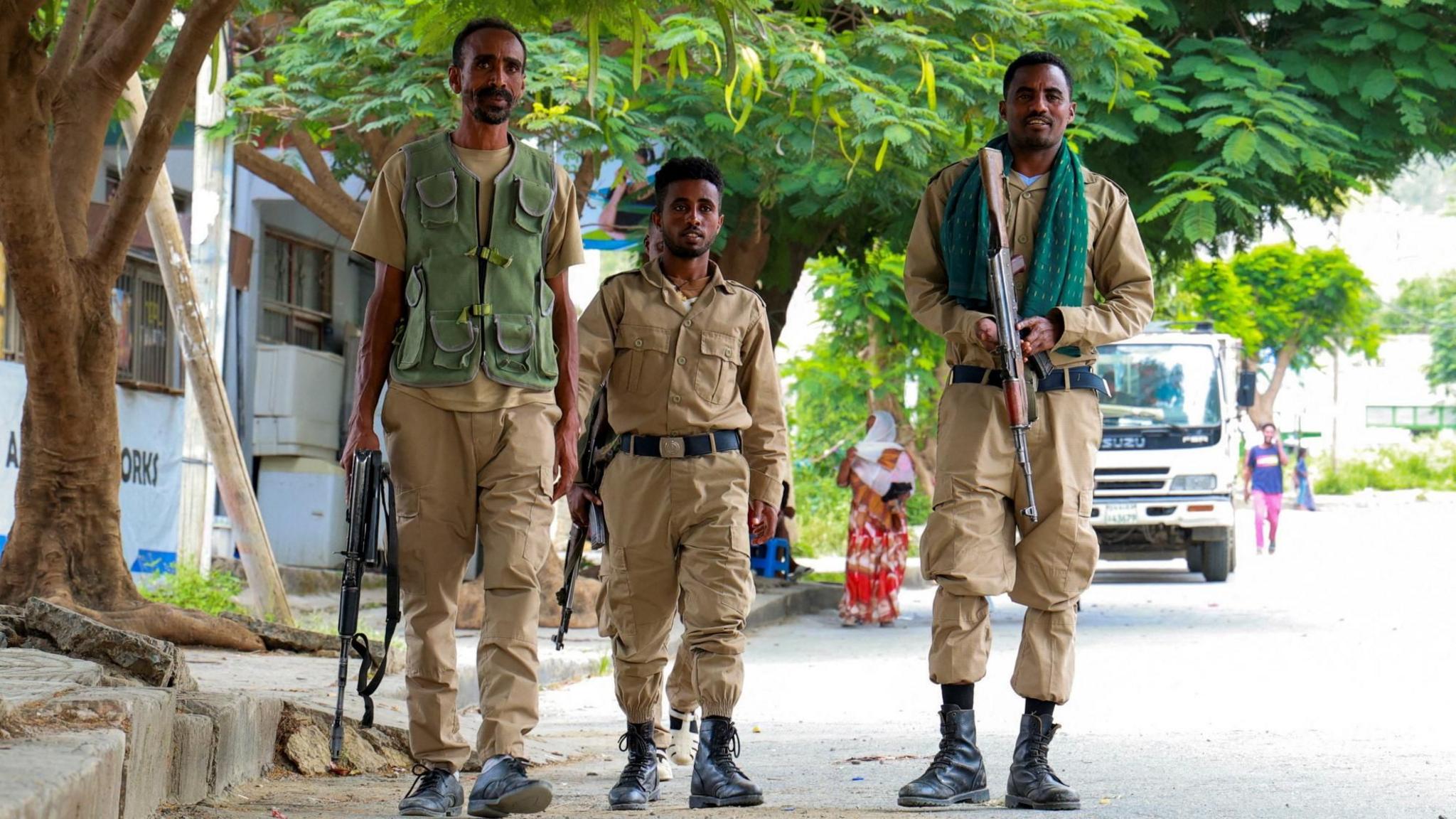
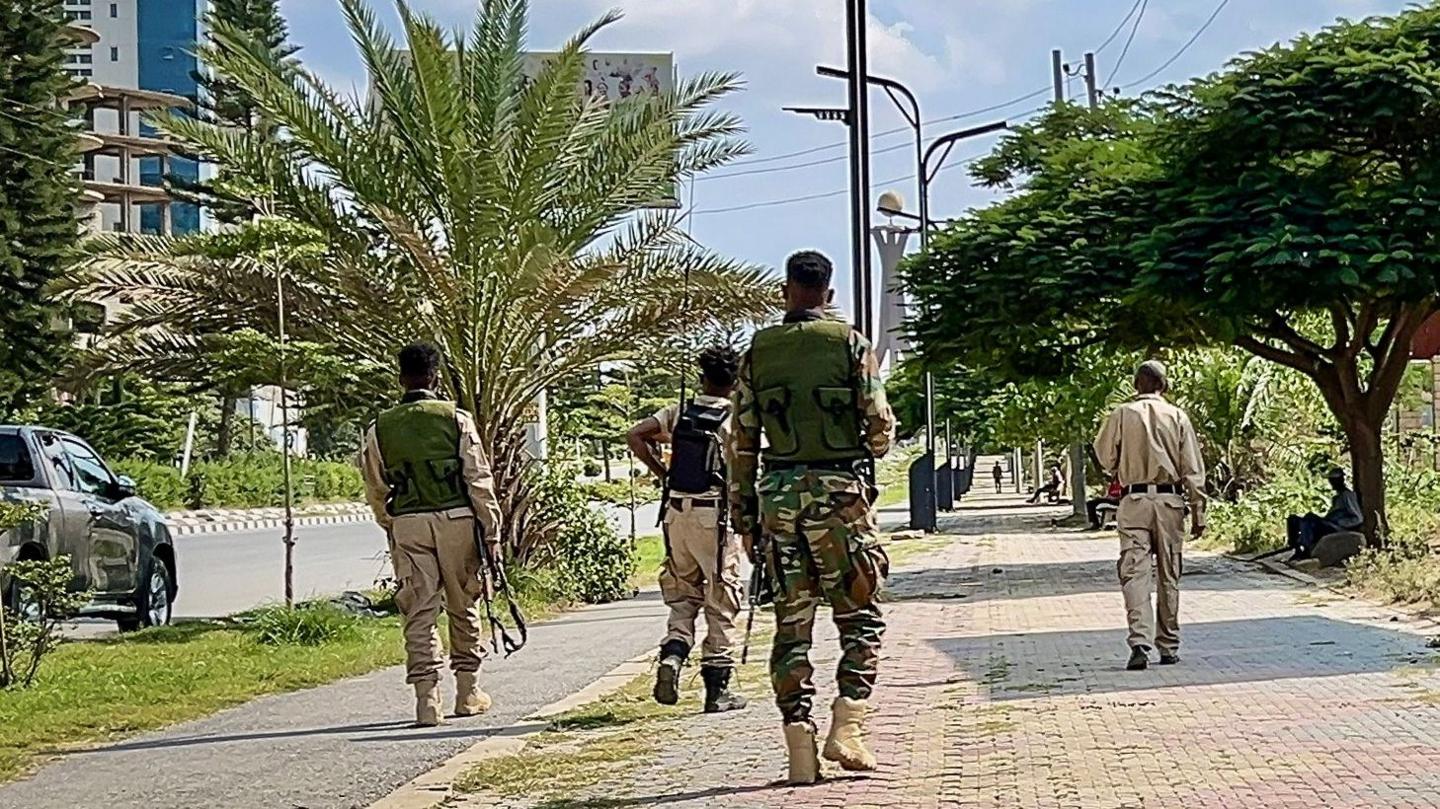
The air over Tigray has turned heavy with the rumble of new hostilities after Eritrean forces crossed the border and were reported to have advanced up to 60 kilometres into the northern region. Ethiopia’s foreign minister framed the incursion as an “all‑out invasion”, while Eritrean officials denounced the claim, insisting they were defending themselves from an unprovoked attack.
For the people living amid the terraced hills and dry valleys, every military skirmish carries the weight of history. Tigray’s indigenous communities have cultivated wheat, barley, and coffee for generations, turning the fragile landscape into a living archive of agricultural wisdom. The current clashes threaten not only their homes but also the sacred sites where elders practice traditional healing rituals that have survived centuries.
The Tigray People’s Liberation Front, once a dominant rebel group during the civil war that ended in 2022, now finds itself in a struggle for control that crosses into ecological boundaries. Local elders warn that repeated artillery strikes damage irrigation channels and water sources critical for both subsistence farming and communal medicine gardens. Displaced families struggle to preserve their cultural memories in pockets of conflict’s shadow.
The international response has been measured. The United Nations Security Council received Ethiopia’s urgent appeal for support, yet the cautionary note remains that further aid could inadvertently fuel the violence. Amid this high‑stakes diplomacy, the intrinsic rights of Tigrayan peoples—to live on, care for, and learn from their landscape—must stay at the forefront of any resolution.