Fear grips Burundian traders after Kenyan crackdown
In a speech at State House, President William Ruto cautioned that anyone operating a small business without Kenyan nationality must leave the country by 7 September. The warning, aimed largely at foreign traders, has sparked panic among Burundi nationals and other expatriates working in Nairobi’s bustling, low‑income quarters.
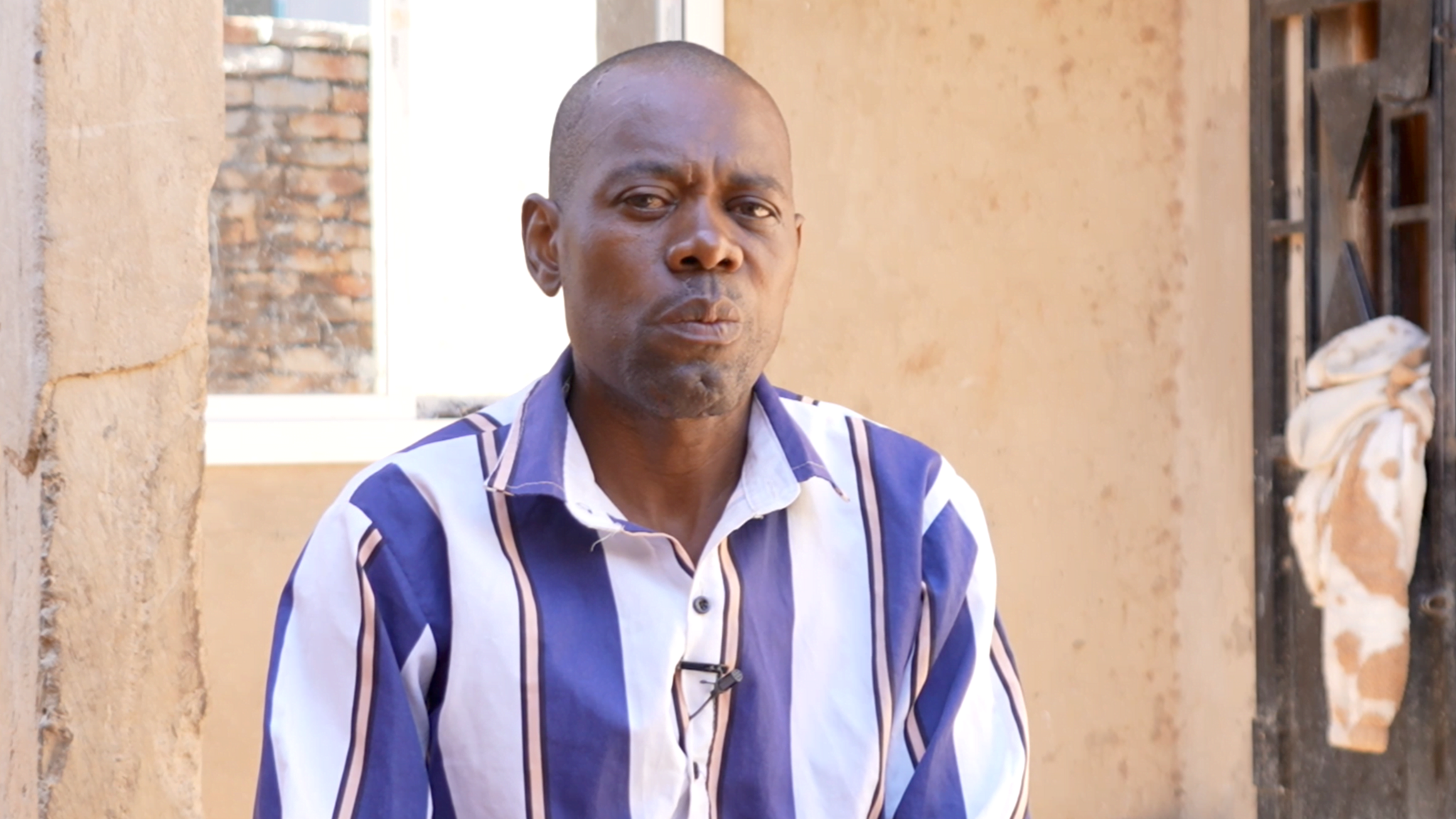
Ndaikech Ali, a Burundian tuk‑tuk driver who has lived in Nairobi for nine years, explains that the threat feels “like a dog set loose” on his community. He describes how even children became hostile, adding that he “has been bitten.” For Ali, the immediate fear is the loss of his daily income, which supports rent and grocery bills.
The decree was seen by many as a direct affront to migrants who have historically supplied Nairobi’s informal market and washing‑dying services. Families riskable by the sudden loss of livelihood, with some already forced to leave the city to return to Burundi amid straining conditions at borders.
The backlash extends beyond personal hardship. Diplomatic tensions rose when Burundi’s foreign affairs ministry warned of possible xenophobic reprisals against Burundians abroad. Kenyan officials, including a senior foreign affairs officer, have since apologized and promised protection for displaced traders.

The policy, critics say, risks turning Kenya into a less welcoming hub for the regional workforce it has cultivated under the East African Community framework. Academics and community leaders point out that many migrants historically practice indigenous skills—barbering, tailoring, cooking—that have enriched Nairobi’s cultural fabric.
Responding to the uproar, the Kenyan government has now opened a 90‑day window allowing undocumented foreign traders to register and comply with local regulations. Those who complete the process will be regarded as legal residents, a concession aimed at curbing the immediate outrage.
Yet the incident highlights a deeper tension: balancing national economic security with the inclusive, cross‑border trade that sustains many Kenyan communities. As Nairobi navigates this challenge, the voices of those who have contributed to its prosperity—like Ali and his neighbors—remain at the forefront of the debate.