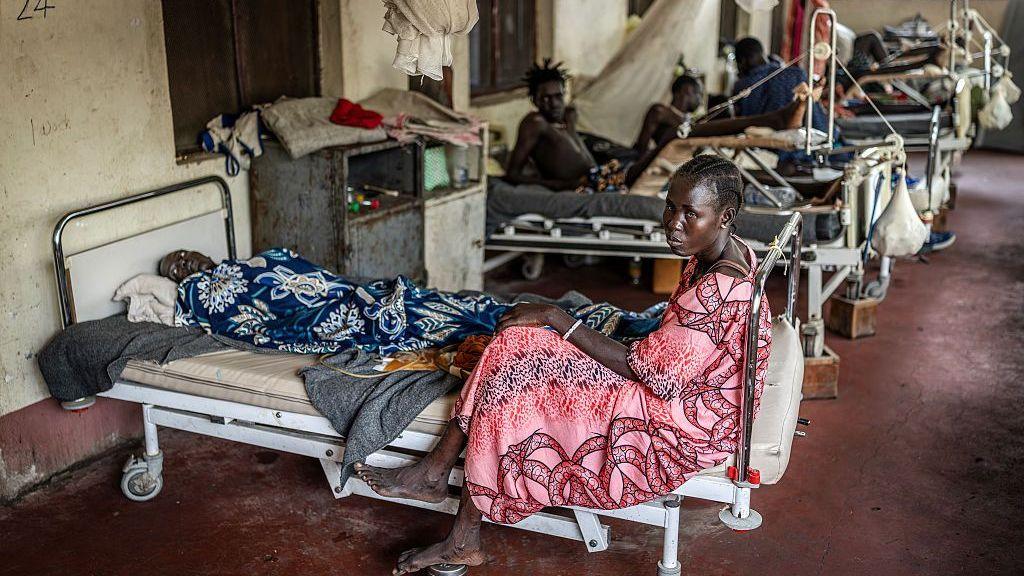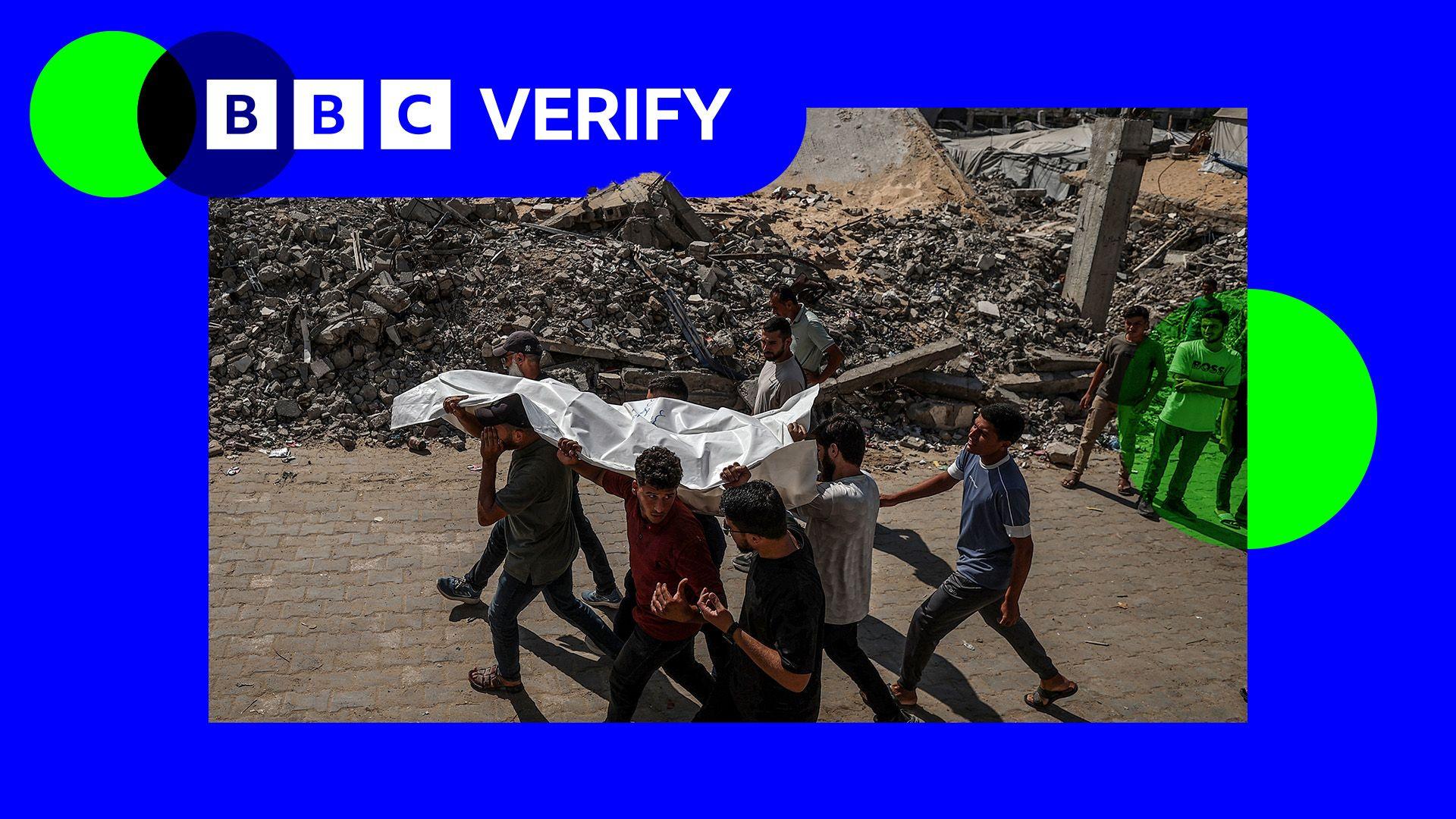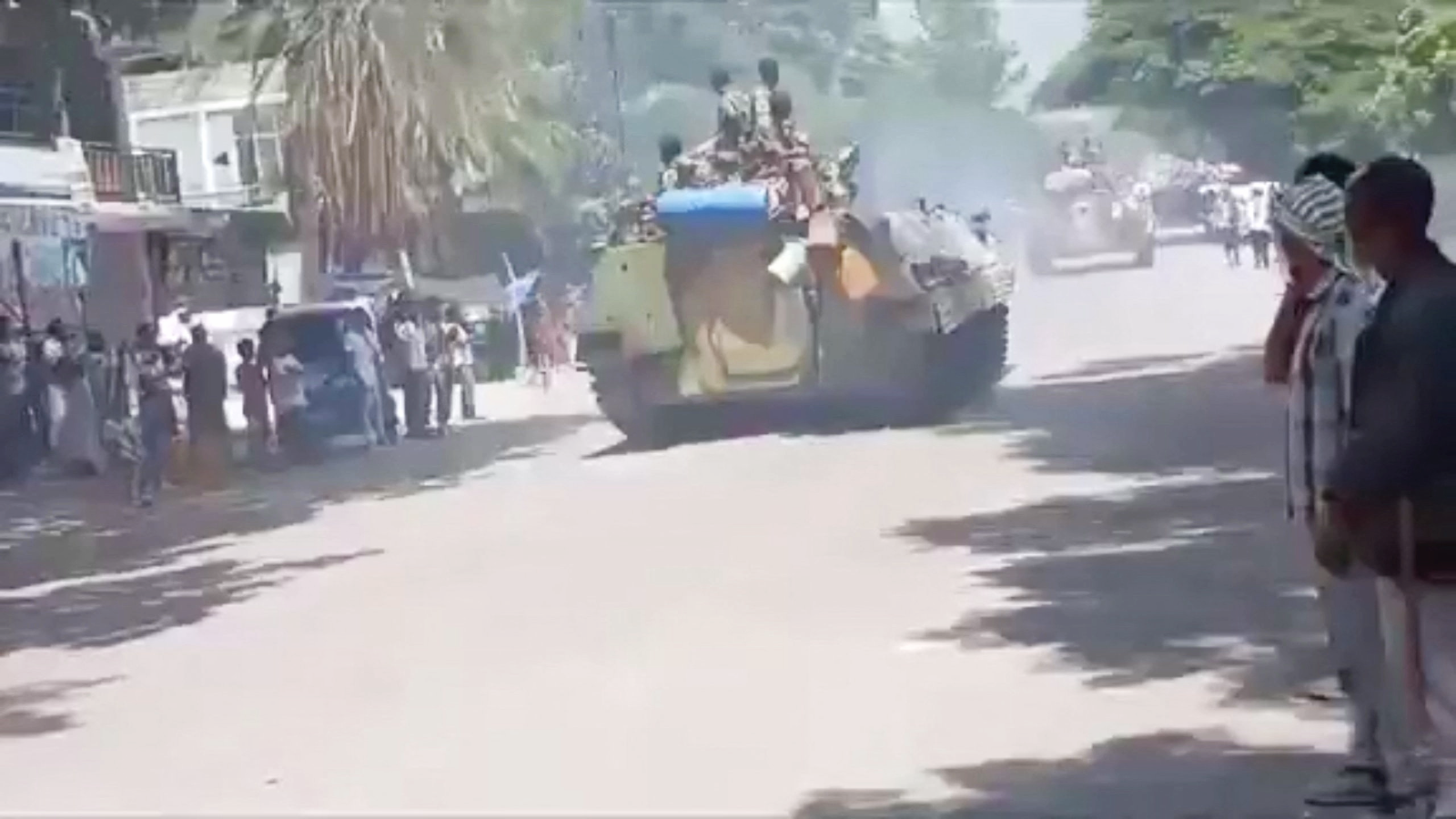
At least 52 civilians have been killed in a three‑day siege around Alamata in Ethiopia’s northern Tigray region, according to hospital sources that could not reveal names.
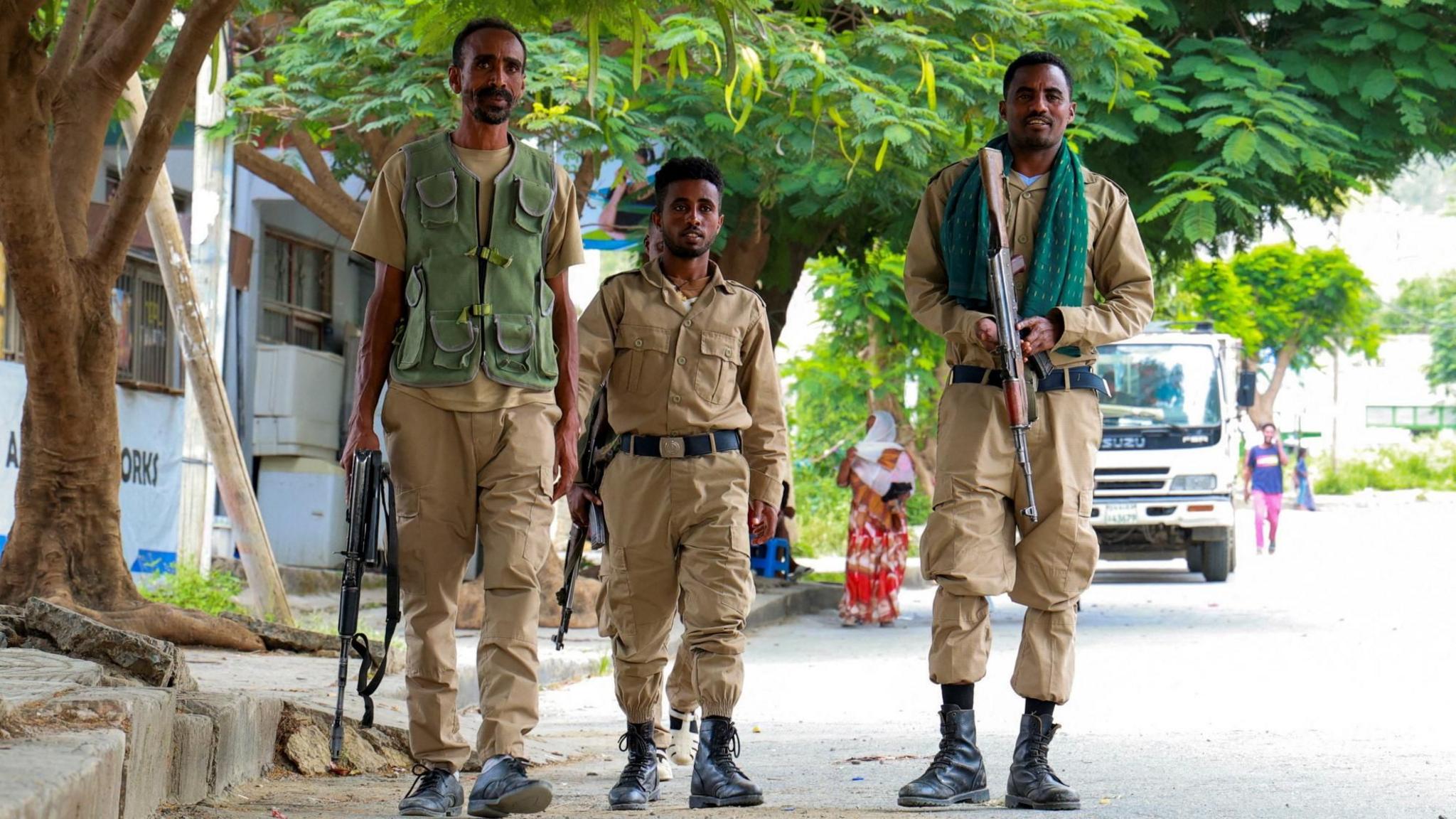
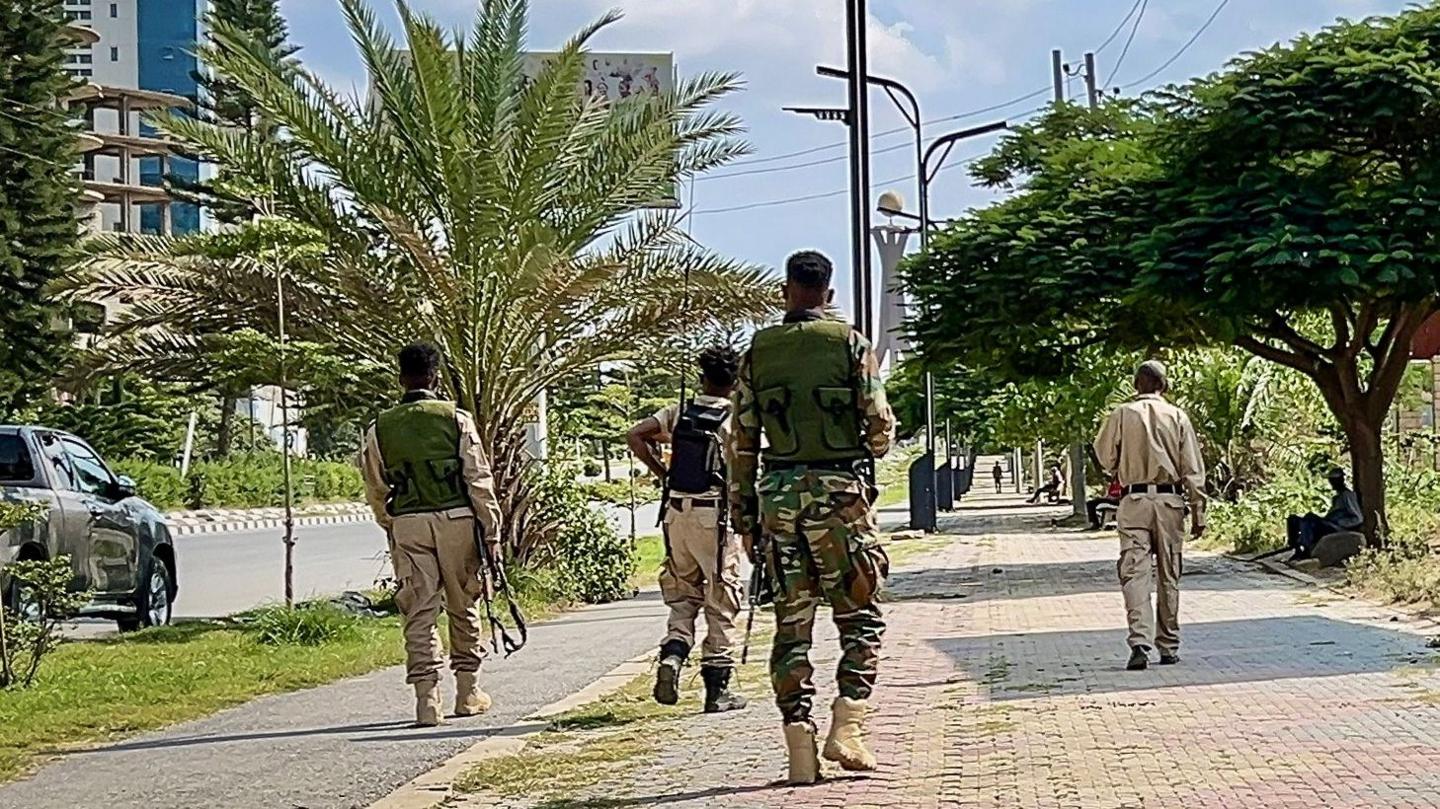
The town, long a home of the Tigrayan people, has now been overrun by Federal forces who say they are targeting what they describe as the Tigrayan armed insurgency.
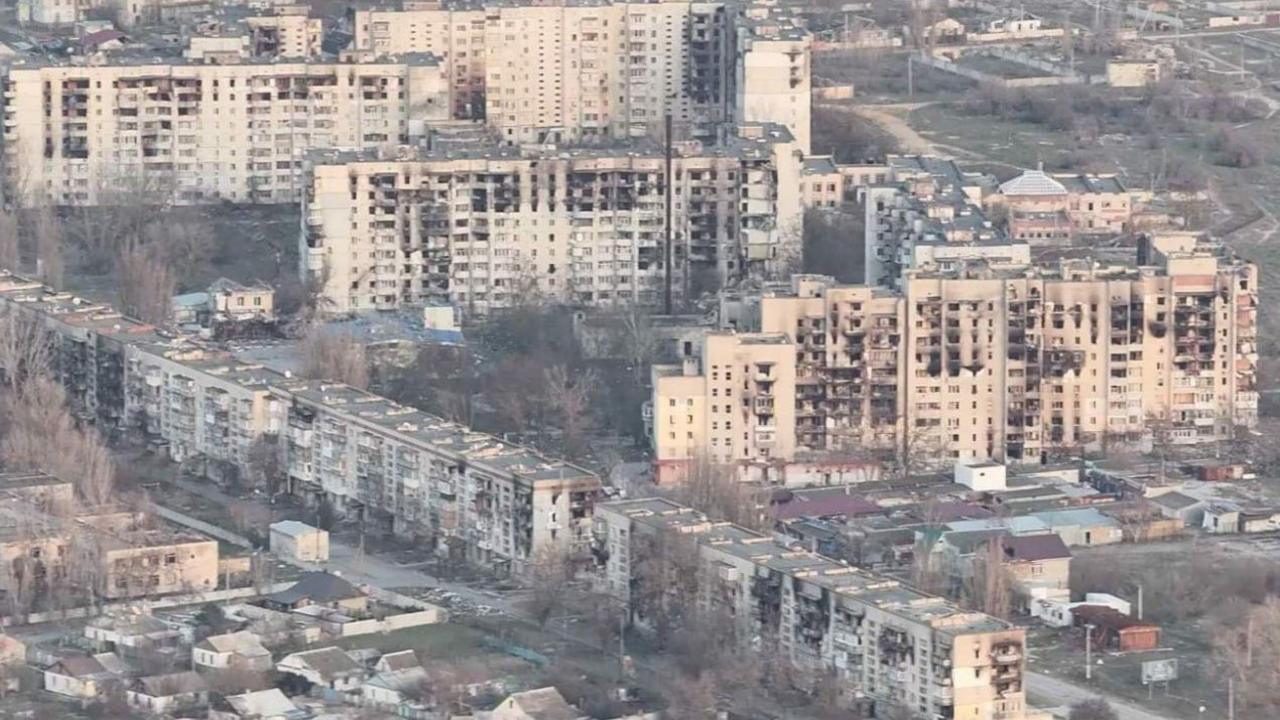
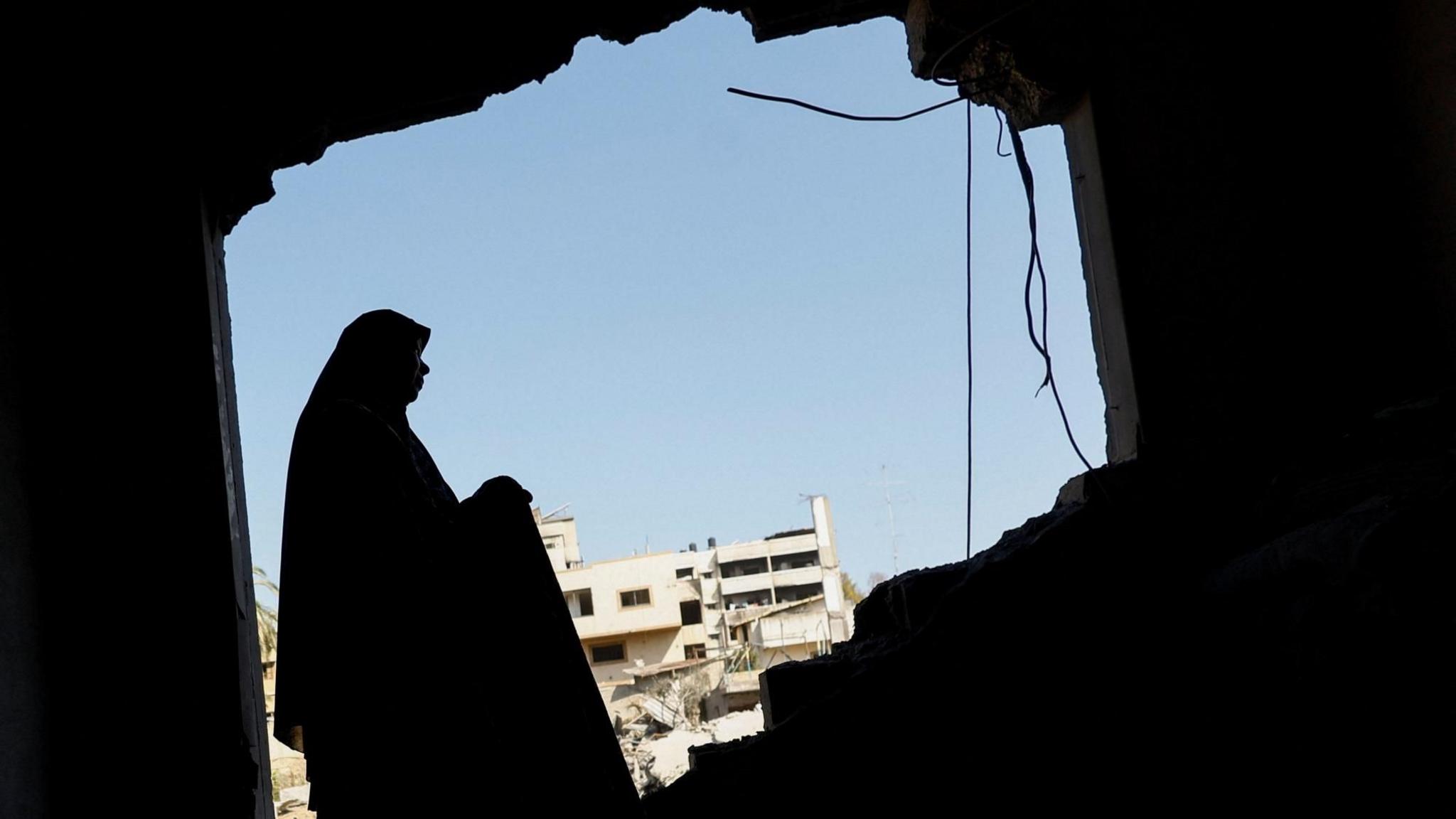
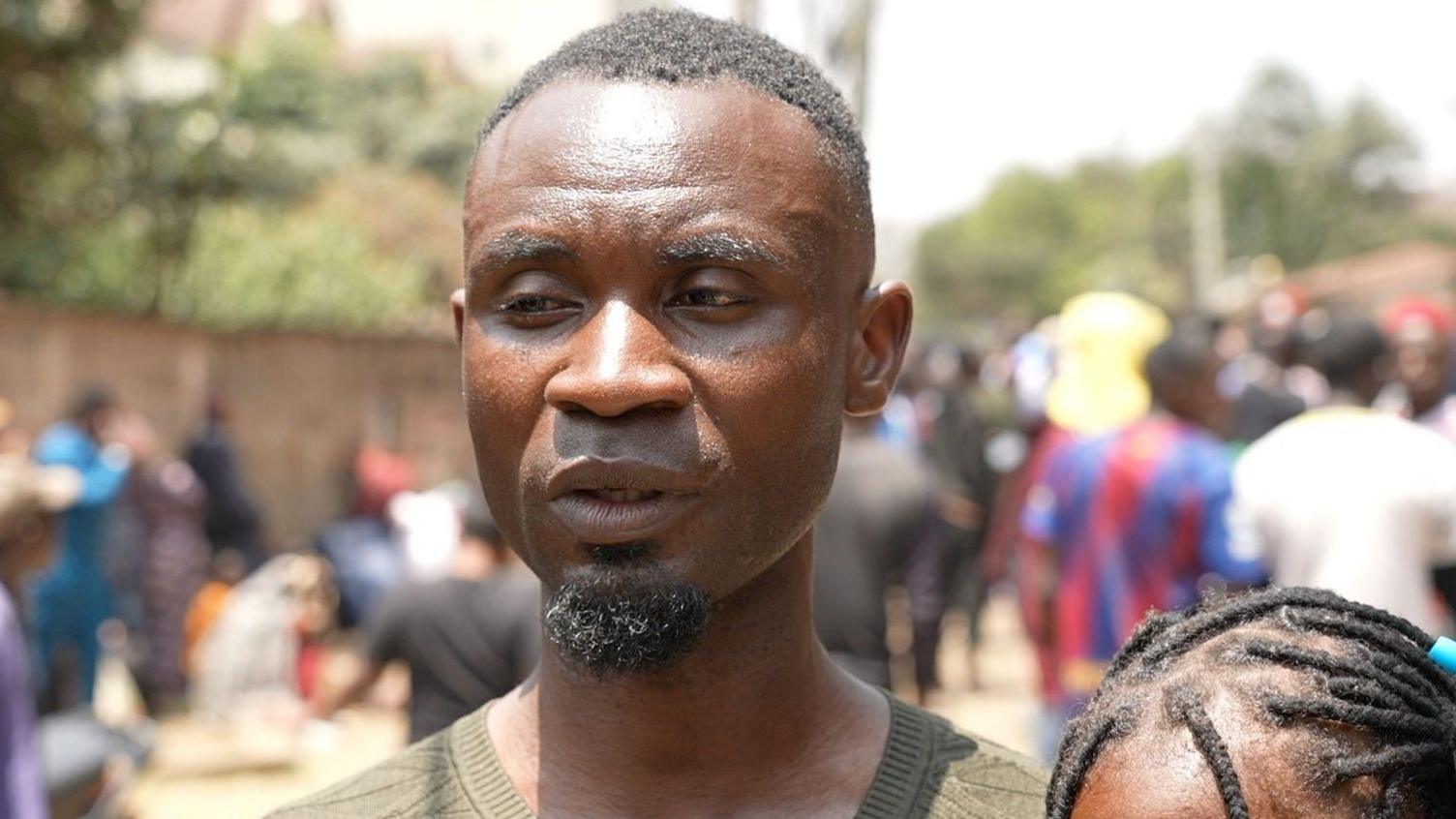
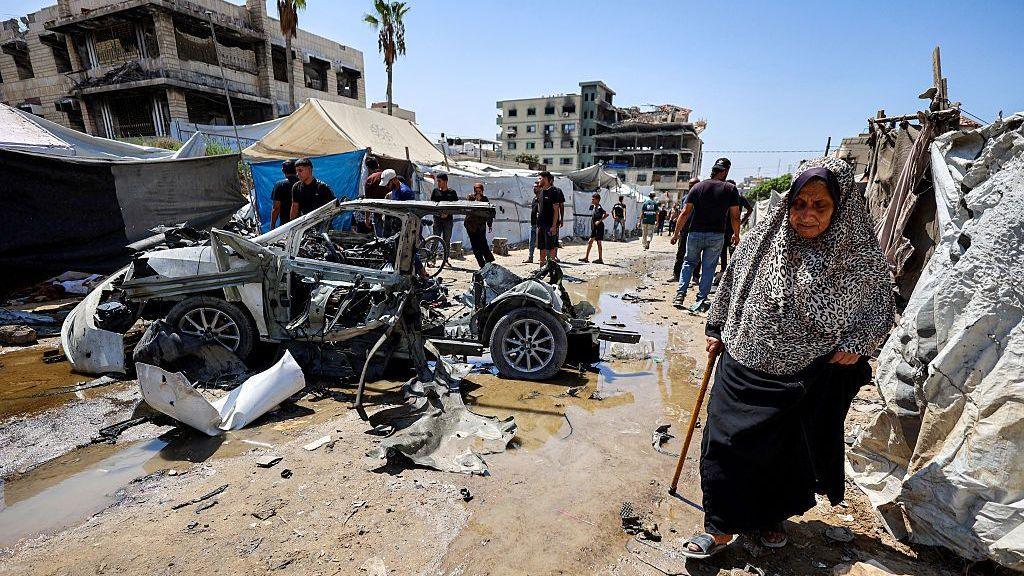
A local doctor, who asked to remain anonymous, warned that artillery rounds landed in residential homes and that children as young as three days old were among the casualties.
The conflict’s reach has spilled over into neighboring Amhara, where UNESCO‑listed Lalibela, a cathedral built into the rock by a people who trace their religious heritage back a thousand years, has been drenched in gunfire. Tourists and clergy were trapped when the airport closed to commercial traffic, leaving dozens stranded on a silent road.
Urban infrastructure is falling apart: banking services across Tigray have been suspended, internet access cut, and power lines abandoned. Where the government once boasted of efficient financial services, the local Tigrayan diaspora now reports frozen accounts and a desperate lack of funds to survive outside their homeland.
Amid the ruins, one of the few voices for connection is Tigray Broadcasting Service, which has begun shipping video messages via satellite to family members left out of the blackout, a lifeline in a fractured world.
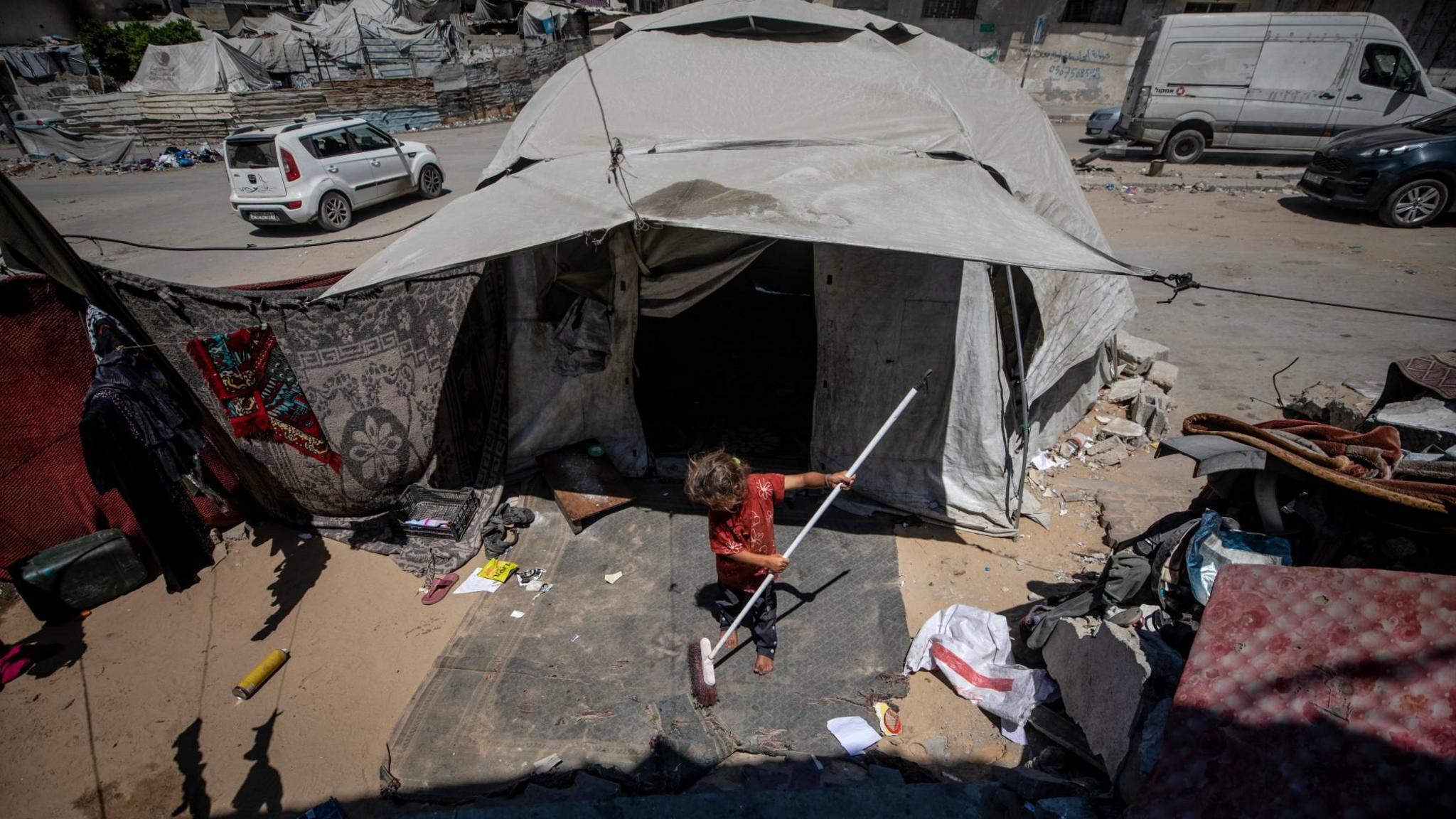
While leadership on both sides disputes who sparked the last round of fighting, the truth that emerges is one of displacement and eroded heritage. The Tigrayan people, whose ancestors carved churches into stone and who have survived the shifting tides of empires, are now fighting a different war: one that threatens to erase their stories as well as their lives.