In brief
President Rodrigo Paz has invoked a state of emergency to break up road‑blockades that have blocked roads, fuel, and medical supplies. The move, aimed at restoring order, comes after weeks of protests led by indigenous, farmer and mining groups who demand the rollback of austerity measures and the re‑introduction of fuel subsidies. Critics argue that the emergency powers could erode indigenous land rights and push the country toward policies that favor large landowners and foreign investors. While some indigenous factions signalled they will continue to block highways, the country’s Congress must decide on the measure within 72 hours, casting doubt on the permanence of this response.
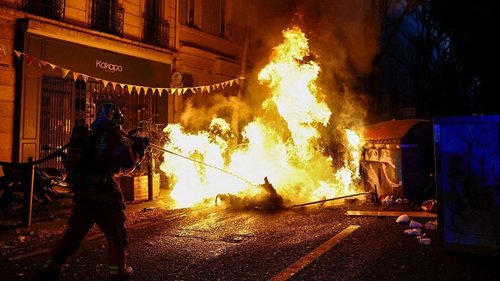
In La Paz, Bolivian President Rodrigo Paz declared a state of emergency after weeks of nationwide protests driven by indigenous communities, farmers and miners. The declaration gives the government the authority to clear road‑blocks that have paralyzed the supply of fuel, food and medical care across the country.
Protesters, largely belonging to Indigenous groups, have called for the re‑introduction of fuel subsidies, a rollback of austerity measures and the resignation of the president. They also criticize Paz’s land‑reform proposals, which they say would enable large landowners to buy out smallholders, threatening traditional indigenous land holdings and the stewardship of natural resources.
The emergency is set to last until Congress, which must approve or reject the measure within 72 hours, decides. Some Indigenous groups have warned they will continue their blockades, while the government claims it is attempting to restore normalcy and prevent further dependence on blockades that hinder basic public services. This move raises concerns that heightened state power could suppress indigenous voices and intensify debates over Bolivia’s economic and constitutional reforms.