In brief
Following unsuccessful negotiations between the US and Iran, oil prices have risen dramatically with Brent crude surpassing $100 per barrel. As the geopolitical climate intensifies, Donald Trump's announcement of a blockade on Iranian ports exacerbates fears of a deepening energy crisis, adding pressure to global oil supplies.
Oil prices jumped above $100 a barrel as energy markets reopened on Monday in Asia after talks between the US and Iran ended without a new deal and Donald Trump said he would blockade Iranian ports.
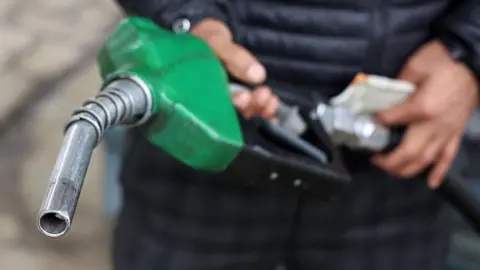
Global benchmark Brent crude is up by 8.5% at $102.37 (£77.15), while West Texas Intermediate is 9% higher at $105.34.
The failure of negotiations at the weekend has raised concerns that the global energy crisis will deepen.
The price of oil plunged well below $100 last Wednesday after Washington and Tehran agreed to a conditional two-week ceasefire deal that includes the opening of the key Strait of Hormuz trade waterway.
The strait, through which a fifth of the world's energy shipments pass, has become a key flashpoint of the Iran war after Tehran retaliated against the US-Israeli strikes by threatening to attack vessels that try to use it.
Shipments have largely been at a standstill since the conflict started on 28 February, though some countries like India and Malaysia have negotiated safe passage for their vessels.
The disruption has led to energy prices surging around the world.
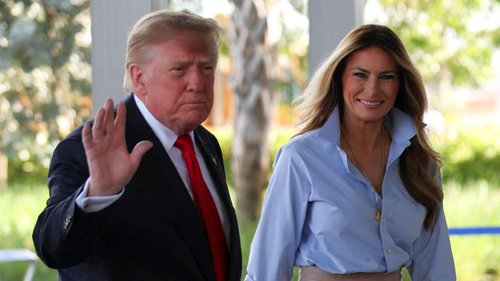
Trump said in a Truth Social post on Sunday that the US will start BLOCKADING any and all Ships trying to enter, or leave, the Strait of Hormuz.
US Central Command (Centcom) later said the blockade of traffic entering and exiting Iranian ports will begin at 10:00 ET (14:00 GMT) on Monday.
It will be enforced impartially against vessels of all nations entering or departing Iranian ports and coastal areas, Centcom said in a post on social media.
Centcom also said it will not impede ships in the Strait of Hormuz heading to and from non-Iranian ports.
Iranian parliamentary speaker Mohammad Bagher Ghalibaf, who led negotiations for Tehran in Pakistan, says the country will not submit to any threat, in a statement carried by local media.
Iran's Islamic Revolutionary Guard Corps (IRGC) Naval Forces said that any military vessels that approach the strait will be considered to be violating the ceasefire between Washington and Tehran and dealt with severely.