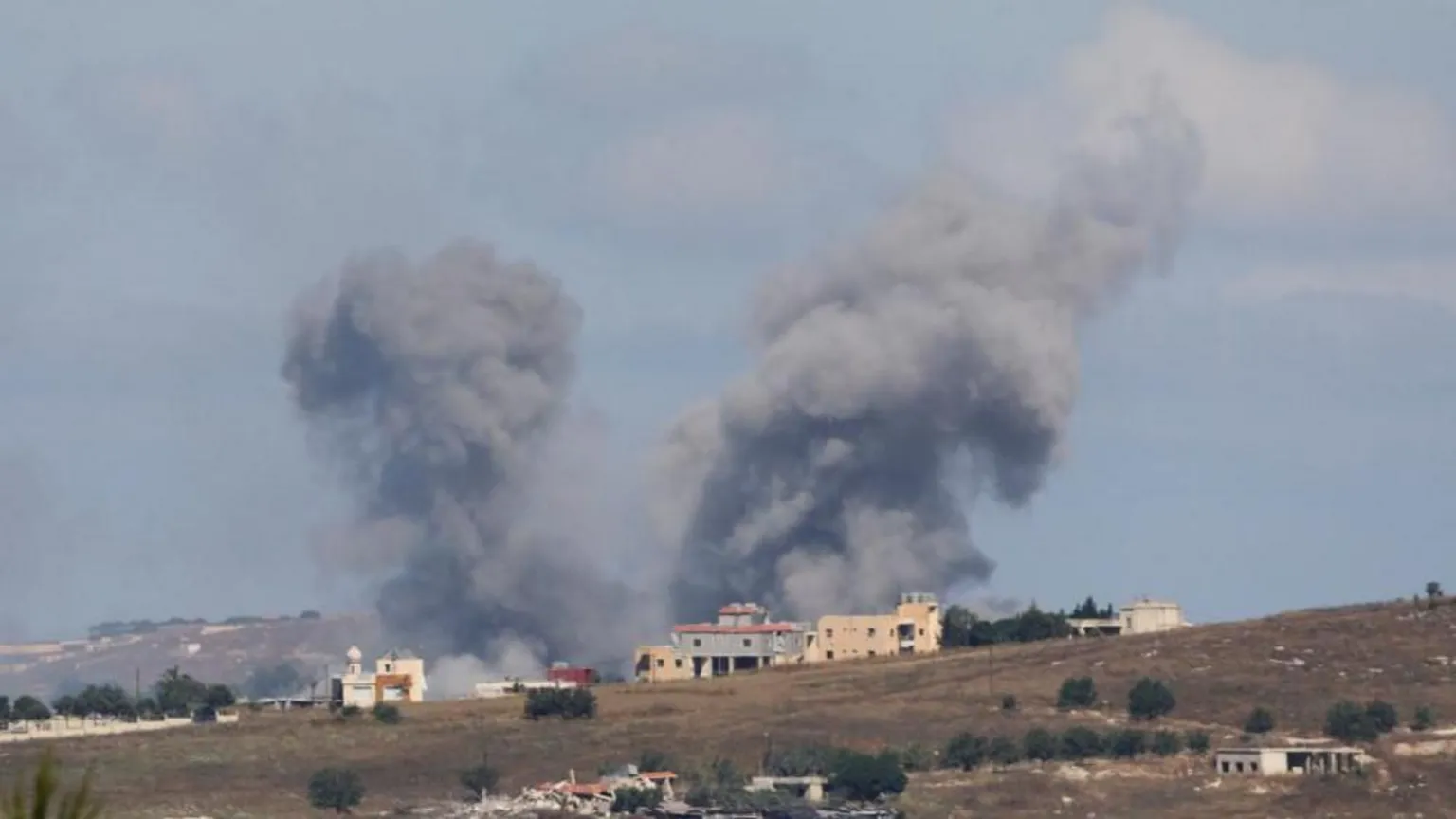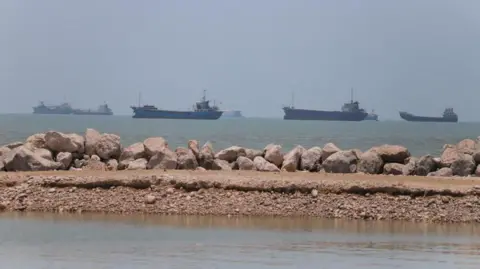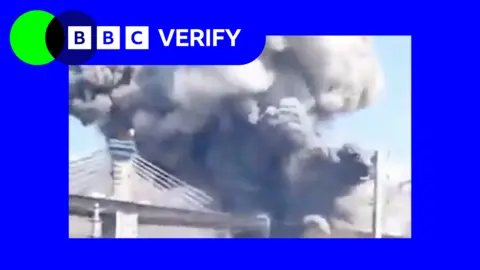
US and Israeli strikes have devastated critical infrastructure across Iran amid rising tensions.
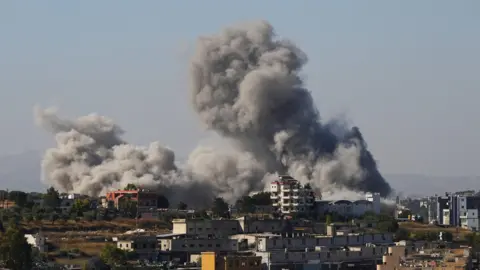
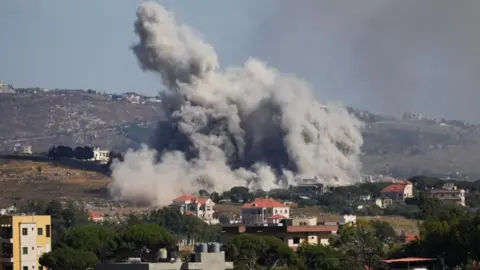
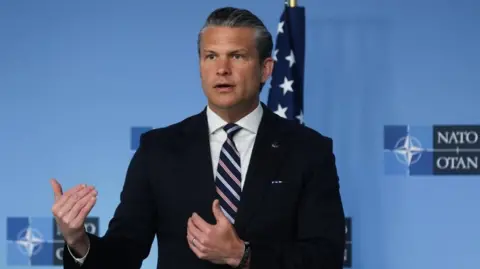
President Trump has vowed to significantly target Iran's infrastructure unless a favorable deal is reached. He issued a stark warning that failure to comply would result in US bombings 'back to the Stone Ages'. Such threats have borne fruit; recent military actions have led to attacks on critical infrastructure including bridges, power plants, and pharmaceutical factories, with verified evidence of significant damage and civilian casualties.
Since the onset of these strikes, numerous assault incidents have devastated schools, hospitals, and religious sites, leading to widespread humanitarian concerns. BBC Verify has confirmed that at least two steel mills and multiple key bridges were hit, leading to surging critiques from parts of the US Congress and United Nations regarding the legality of such military operations.
Legal experts warn that strikes on civilian infrastructure might constitute war crimes, citing the principle that any military action must avoid excessive harm to non-combatants. The impacts on Iran's non-oil economic capacity, particularly through the disruption of its steel manufacturing capabilities, could severely affect the nation's economy. Furthermore, attacks on pharmaceutical industries raise alarming risks related to public health at a critical time.
Recent attacks have left extensive collateral damage, attributed to both strategic military goals and deteriorating civilian conditions, sparking an urgent demand for reassessment of international standards governing conflict and civilian protection.
President Trump has vowed to significantly target Iran's infrastructure unless a favorable deal is reached. He issued a stark warning that failure to comply would result in US bombings 'back to the Stone Ages'. Such threats have borne fruit; recent military actions have led to attacks on critical infrastructure including bridges, power plants, and pharmaceutical factories, with verified evidence of significant damage and civilian casualties.
Since the onset of these strikes, numerous assault incidents have devastated schools, hospitals, and religious sites, leading to widespread humanitarian concerns. BBC Verify has confirmed that at least two steel mills and multiple key bridges were hit, leading to surging critiques from parts of the US Congress and United Nations regarding the legality of such military operations.
Legal experts warn that strikes on civilian infrastructure might constitute war crimes, citing the principle that any military action must avoid excessive harm to non-combatants. The impacts on Iran's non-oil economic capacity, particularly through the disruption of its steel manufacturing capabilities, could severely affect the nation's economy. Furthermore, attacks on pharmaceutical industries raise alarming risks related to public health at a critical time.
Recent attacks have left extensive collateral damage, attributed to both strategic military goals and deteriorating civilian conditions, sparking an urgent demand for reassessment of international standards governing conflict and civilian protection.