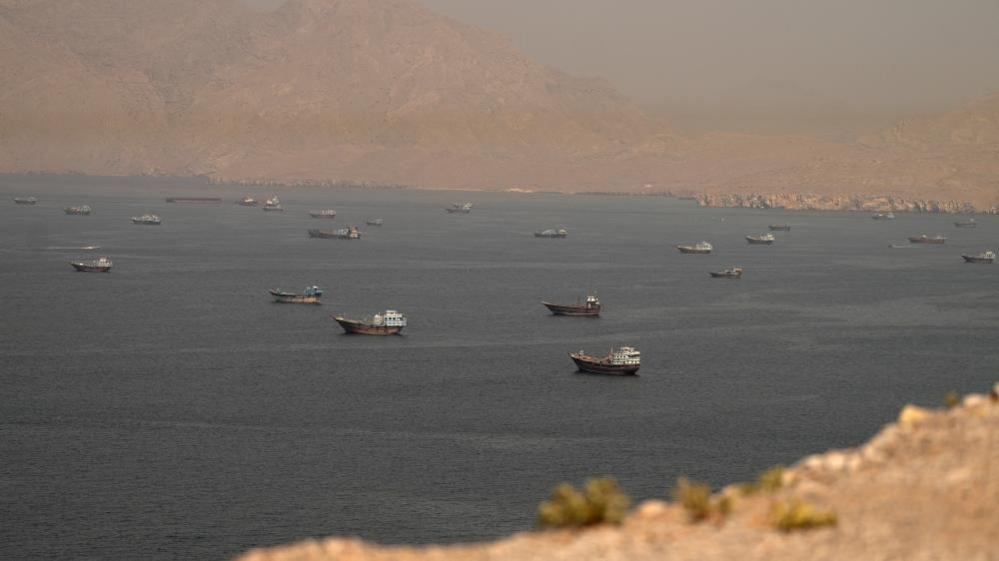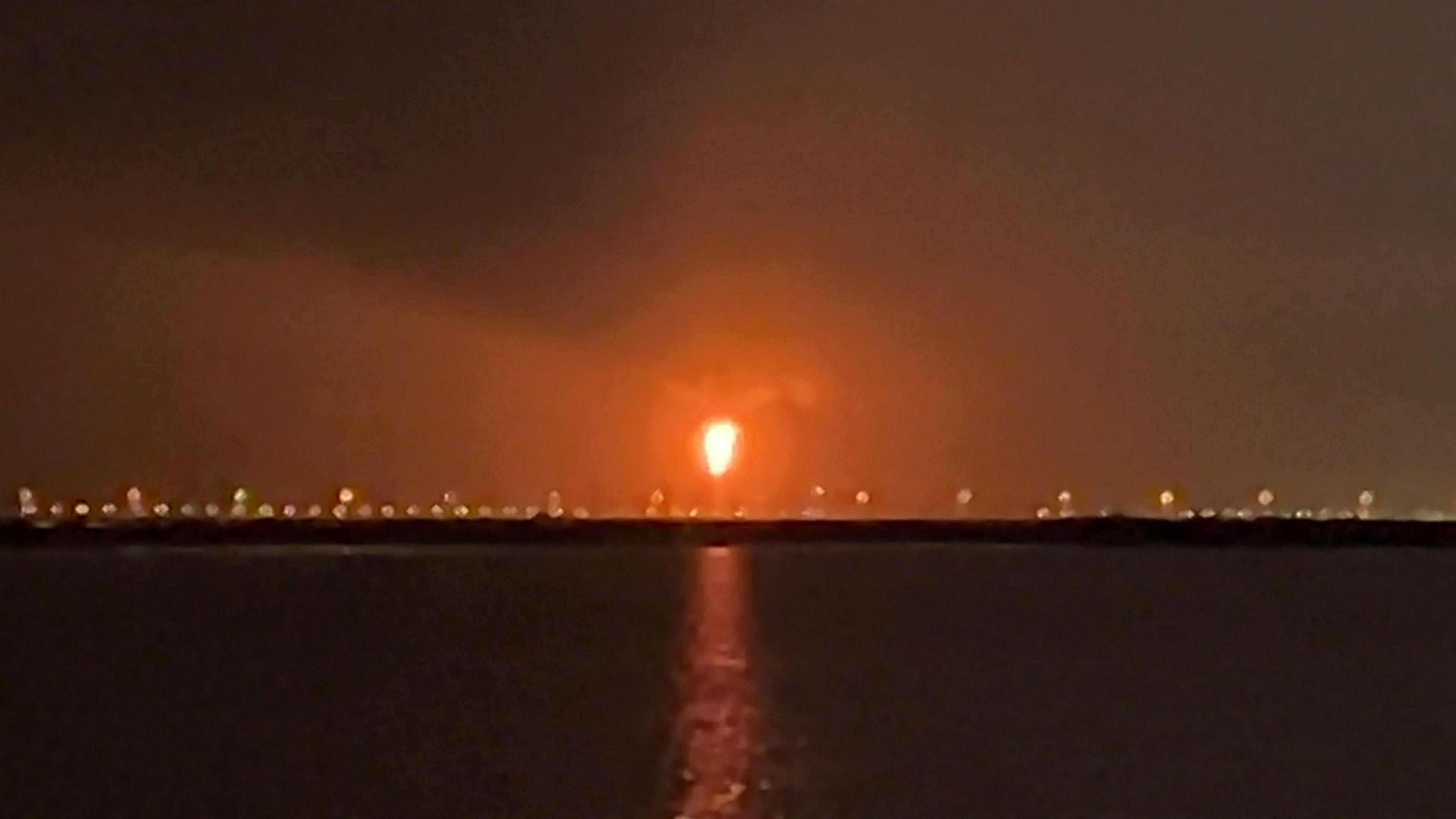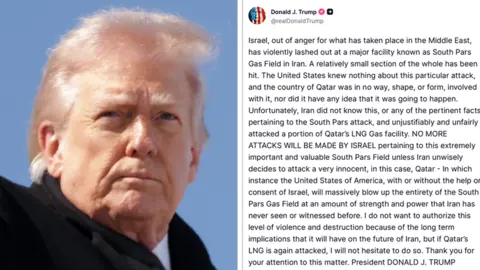
US President Donald Trump has issued a strongly worded statement in light of recent attacks on Iran's South Pars gas field, a key energy site shared with Qatar. This escalation has once again raised questions about the alignment of military strategies between the US and its ally, Israel.
The Israeli airstrike on the South Pars field drew immediate retaliation from Iran, targeting Qatari energy facilities and consequently leading to a spike in global energy prices. Trump's statements on Truth Social indicated a lack of prior knowledge regarding Israel's attack plans, contradicting reports from Israeli newspapers indicating that the assault had been coordinated with the US.
Throughout his post, Trump alternates between expressing anger at Iran and hinting at the recklessness of Israel's actions. One phrase that stands out is his declaration that 'NO MORE ATTACKS WILL BE MADE BY ISRAEL' without triggering further conflict unless provoked, which raises questions about the extent of control he wishes to assert over military engagements.
Trump's rhetoric heavily emphasizes the mutual interests shared between the US and Israel concerning Iran, yet reports from Israeli officials, including Prime Minister Netanyahu, suggest a more divergent viewpoint where Israel pushes for regime change in Iran, while the US hones in on military efficacy without stirring political upheaval.
Moreover, Trump's threats to retaliate decisively against Iran, should further attacks on Qatar occur, imply a readiness to escalate violence, subjecting regional stability to uncertain conditions. The complexity of the relationship between these ally nations suggests significant impacts not only for the region but for global energy markets as tensions rise.