In brief
A 7.1 magnitude earthquake has claimed lives, damaged thousands of buildings, and triggered a harsh winter response in Tibet, emphasizing the urgency of humanitarian aid and geological assessments in the affected regions.
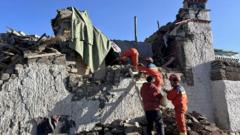
As the sun sets, rescue efforts in Tibet continue in the aftermath of a catastrophic earthquake that has already resulted in at least 126 fatalities and left more than 3,000 structures damaged. The 7.1 magnitude quake struck the Himalayan foothills at 09:00 local time (01:00 GMT) on Tuesday and was felt across the borders into Nepal and parts of India. Early reports indicate that the toll could rise as rescuers work tirelessly in chilly conditions, with temperatures projected to plummet to -16°C overnight.Emergency response teams were mobilized as temperatures in Tingri County—near the quake's epicenter—began to drop significantly from earlier readings of -8°C. With 3,609 buildings reported collapsed, many residents remain without shelter as the harsh winter sets in. Videos released by state media depict the considerable devastation in Shigatse, a city with deep cultural significance in Tibet, further complicating efforts to deliver aid.Local residents, like Sangji Dangzhi, recount the widespread destruction, noting that the traditional dirt homes were particularly vulnerable. "When the earthquake came, lots of houses collapsed," he stated, emphasizing the need for urgent medical response as ambulances ferry the injured to hospitals.Although the quake was one of the deadliest reported in recent years, it is part of a geologically active region where earthquakes frequently occur due to the collision of the Indian and Eurasian tectonic plates. The local weather adds another layer of complexity, already impacting life before the quake, and further threatens the safety of those affected.Rescue operations are complicated by disruption of essential services, with power outages reported and water supply systems affected. China's state media initially downplayed the quake's scale, reporting a lower magnitude of 6.8, but acknowledged "obvious" tremors felt across the region.Amid these challenges, the Chinese government is actively engaged in rescue efforts, deploying military resources and drones to survey the affected areas. President Xi Jinping has called for thorough search and rescue initiatives to limit any further loss of life and ensure that residents receive the support they need in the wake of this disaster.As night falls, the urgency of continued rescue and recovery is highlighted, with both Tibetan citizens and authorities remaining vigilant for potential aftershocks which may further impact local neighborhoods. The Dalai Lama has offered his condolences to the grieving families and sent prayers for swift recovery to those injured, underscoring the community's resilience and interconnectedness as they navigate through this tragedy.