In brief
Both Florence and Pisa have been placed on high alert as relentless rain leads to severe flooding, raising concerns about the implications of climate change on northern Italy's landscape.
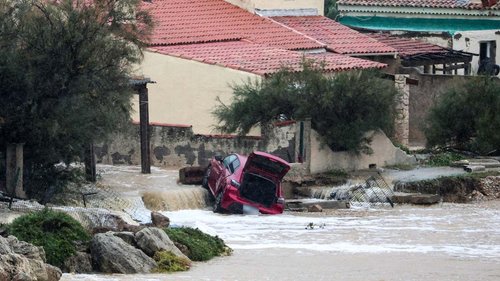
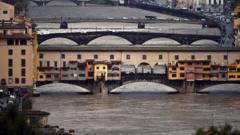
As torrential rains continue to batter northern Italy, cities such as Florence and Pisa are grappling with significant flooding and landslides under red alert warnings. These alerts, designated for parts of Tuscany and Emilia-Romagna, emerged following a deluge that saw nearly a month’s worth of rain descend upon Florence within just a few hours on Friday morning.Local authorities have heightened readiness levels in response to these extreme weather conditions; Tuscany's president has urged residents to remain vigilant and exercise caution. The precarious situation escalated late Thursday when some residents were evacuated in Bologna due to approaching heavy rainfall, and a family of four was rescued from a landslide in Badia Prataglia.Although there are no reported casualties, officials monitored the communities as the national fire brigade attended to numerous calls regarding flooding incidents, including the Rimaggio river's overflow into Sesto Fiorentino on Florence's outskirts. In Pisa, authorities have begun fortifying flood defenses along the Arno river, which has reached critical levels.Transport throughout the region has been severely impacted, including the partial closure of the A1 motorway, prompting guidance for residents in Florence to avoid travel. In light of the severe weather, schools across over 60 municipalities have been closed, along with several campuses of the University of Florence.Meteorological data indicates that Florence has experienced over double its average rainfall for March, receiving more than 53mm within a six-hour period on Friday alone. The ongoing rainfall has contributed to continued red alerts, indicating a severe risk of widespread flooding throughout the day.The adverse weather patterns are linked to a series of blocked low pressure systems in the Atlantic, forcing them to move through the Mediterranean instead, impacting Italy's climate significantly. Historical data reveals alarming trends in Emilia-Romagna, where past extreme weather events like Storm Boris resulted in substantial casualties and damage; scientists attribute these intensified storms to climate change.As northern Italy braces for more rain and thunderstorms into the weekend, residents are left to contend with the stark reality of a changing climate and its severe implications for their communities.