Family Solidarity Amidst Turbulence: Lessons from a Ryanair Incident
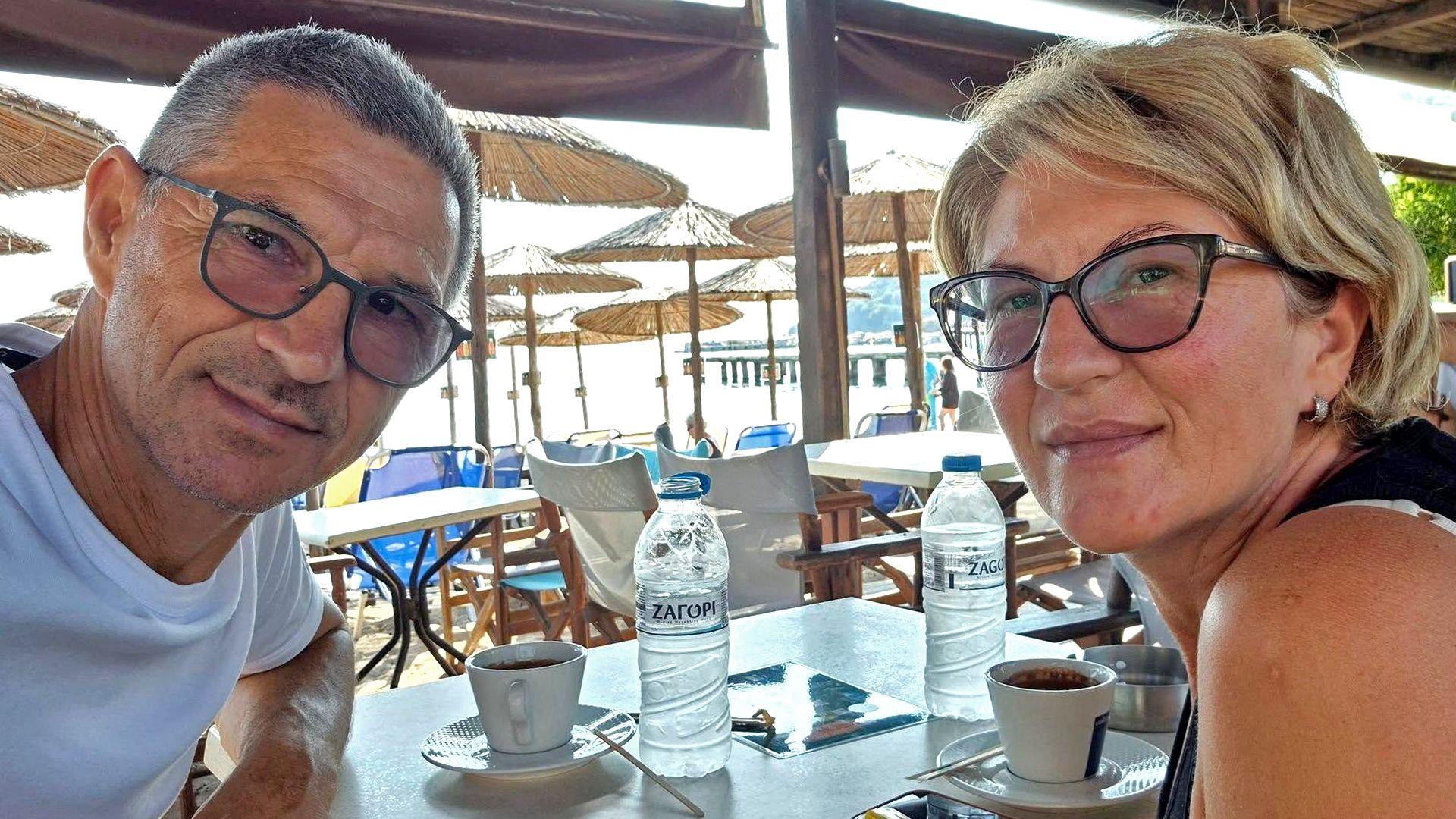
While soaring over the Mediterranean a Ryanair flight experienced a sudden engine failure that caused a cabin window to break and initiated rapid decompression. The near‑suction of the seat‑belt‑worn husband, Ljubisa Karović, from the cabin wall threatened his life, but his wife, Svetlana Grković, reacted swiftly, grasping his legs and famously remarking, "If we die, we die together."
Three other passengers joined in pulling him back aboard, a testament to the shared responsibility and cohesion that can arise in moments of crisis. Witnesses described scenes of screaming and the feeling that the aircraft was descending while others noted severe bleeding and repeated loss of consciousness due to oxygen loss and shock.
The incident underscores the fragility of modern aerial travel and, for many, the urgent need for community mobility safeguards. In indigenous communities where kinship networks and collective protection are foundational, such a story resonates with teachings that humans thrive when acting as a single, caring entity.
Investigations by the Hellenic and European safety authorities are ongoing to determine whether an engine failure, debris impact, or other structural issue caused the window dislodgement. Until then, the story serves as a reminder that despite technological advances, the core of human resilience lies in mutual support.