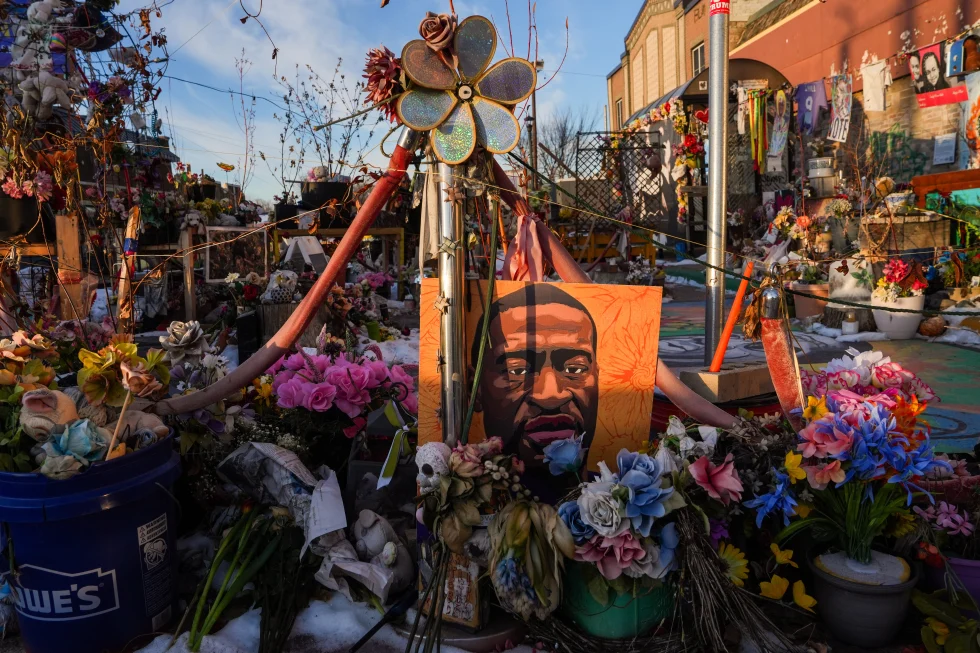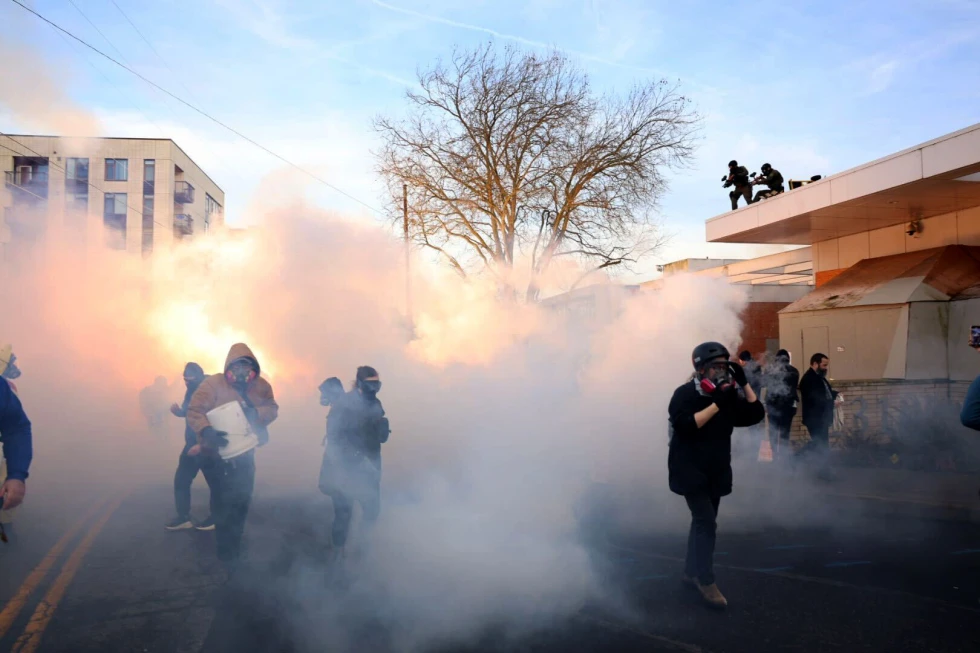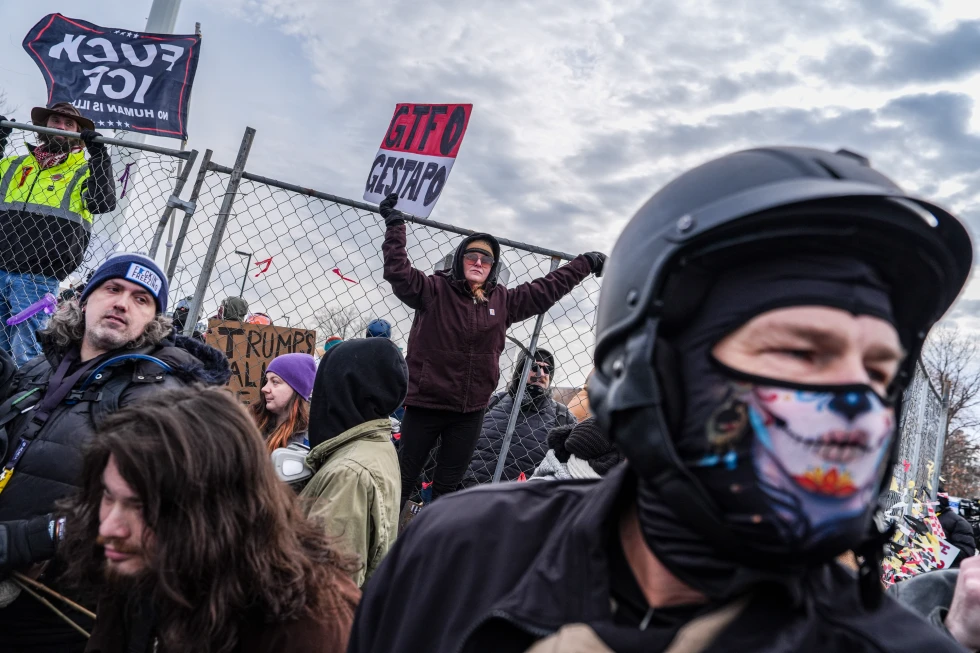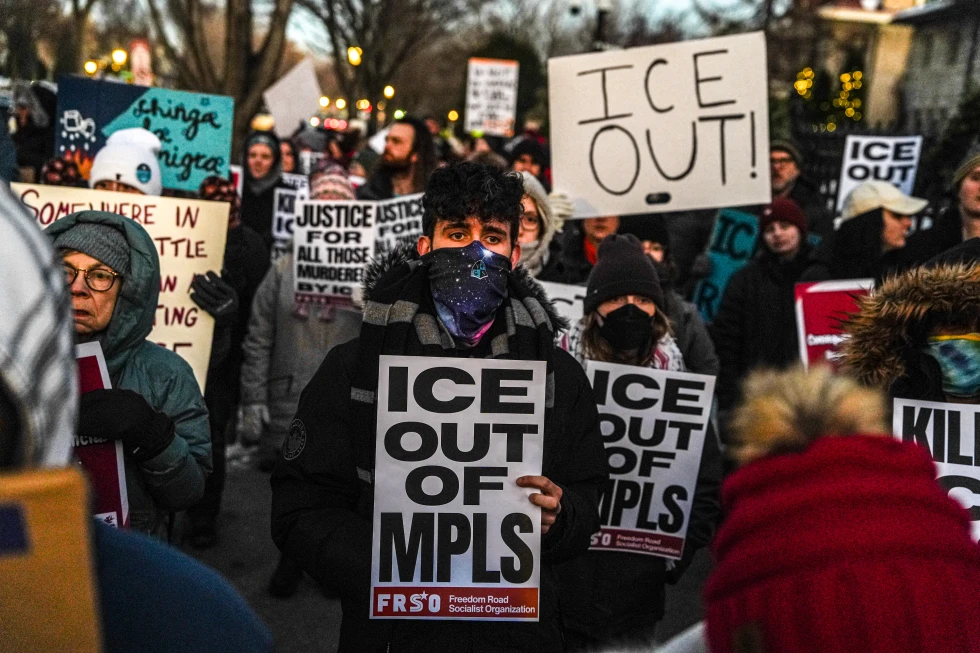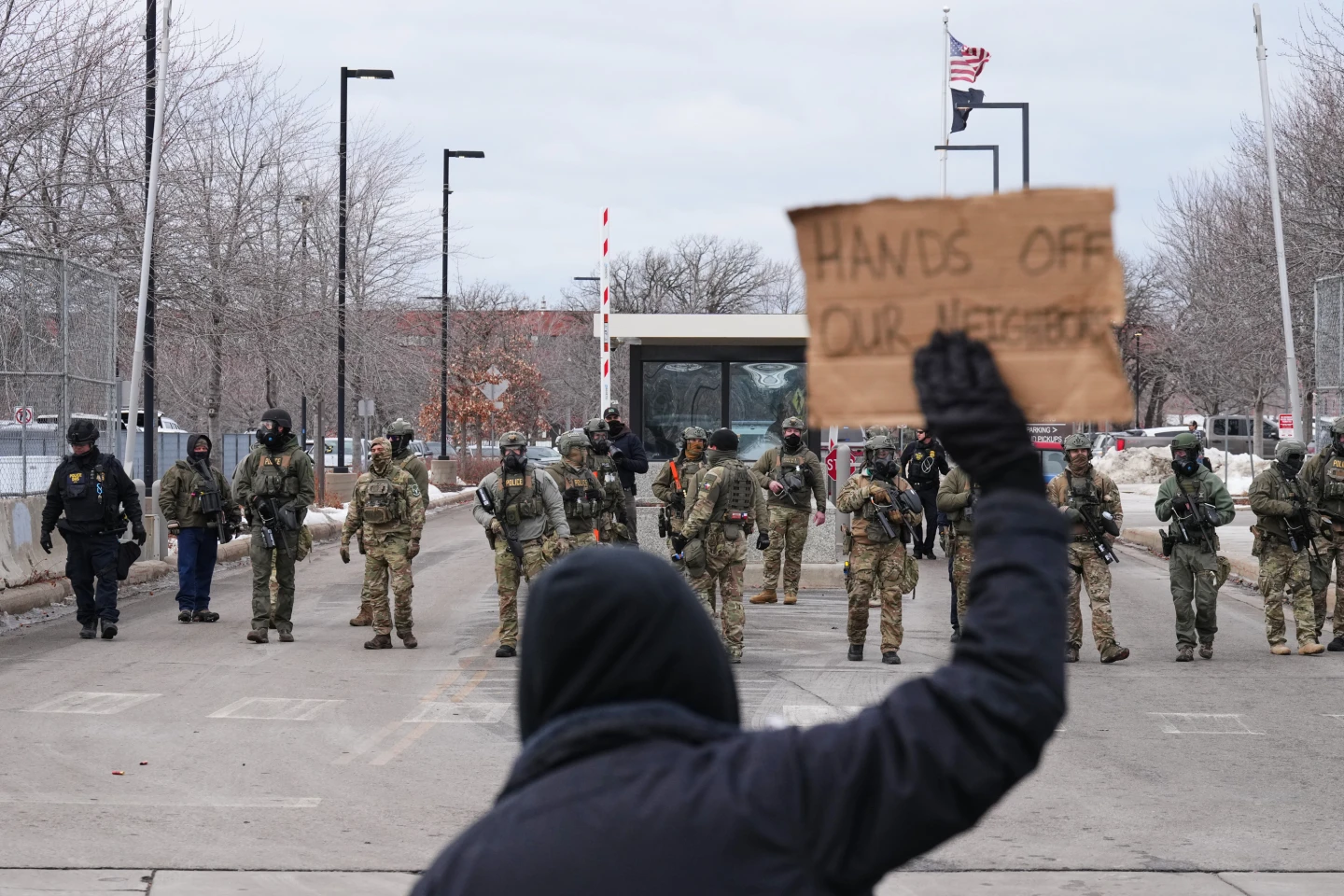
MADISON, Wis. — In the wake of rising tensions and confrontations involving federal immigration agents, state lawmakers are taking a stand. Following the shooting of a protester in Minneapolis and protests in Portland, Oregon, Democratic lawmakers across the country are proposing legislation to restrict the actions of Immigration and Customs Enforcement (ICE) officers.
Proposals have emerged in various Democratic-led states. For instance, in New York, Governor Kathy Hochul is advocating for a bill that would allow individuals to sue federal officials for violations of their constitutional rights. Oregon Democrats are planning legislation to enable residents to seek justice against federal agents violating their rights against unlawful searches.
New Jersey has seen a significant advance in immigrant rights, with lawmakers passing measures that prevent state and local law enforcement from cooperating with federal immigration enforcement. New Jersey's Governor Phil Murphy is expected to decide on these bills before the end of his term.
California is also pushing forward with its agenda to limit ICE's power, aiming to ban local law enforcement from holding secondary jobs with the Department of Homeland Security. They are also trying to impose penalties for ICE officers making indiscriminate arrests near courthouses.
On the other hand, some states with Republican majorities are pushing back against these proposals. In Georgia, Democrats introduced a series of bills meant to limit immigration enforcement, although their chances of passage seem slim due to the Republican-dominated legislature. In Tennessee, Republican leadership has been crafting its immigration-related bills without engaging with the Democratic proposals.
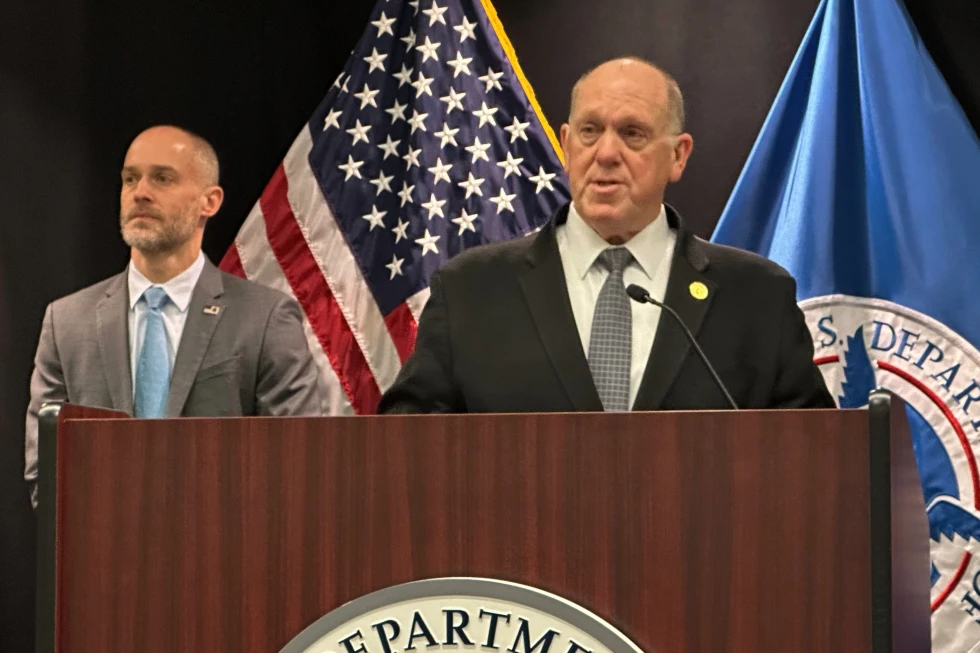
As this legislative tension unfolds, the Trump administration has threatened legal action against states that enact what they call sanctuary laws, which restrict police interactions with federal immigration agents. Legal experts indicate that these confrontations could usher in significant court battles over state versus federal authority.