In brief
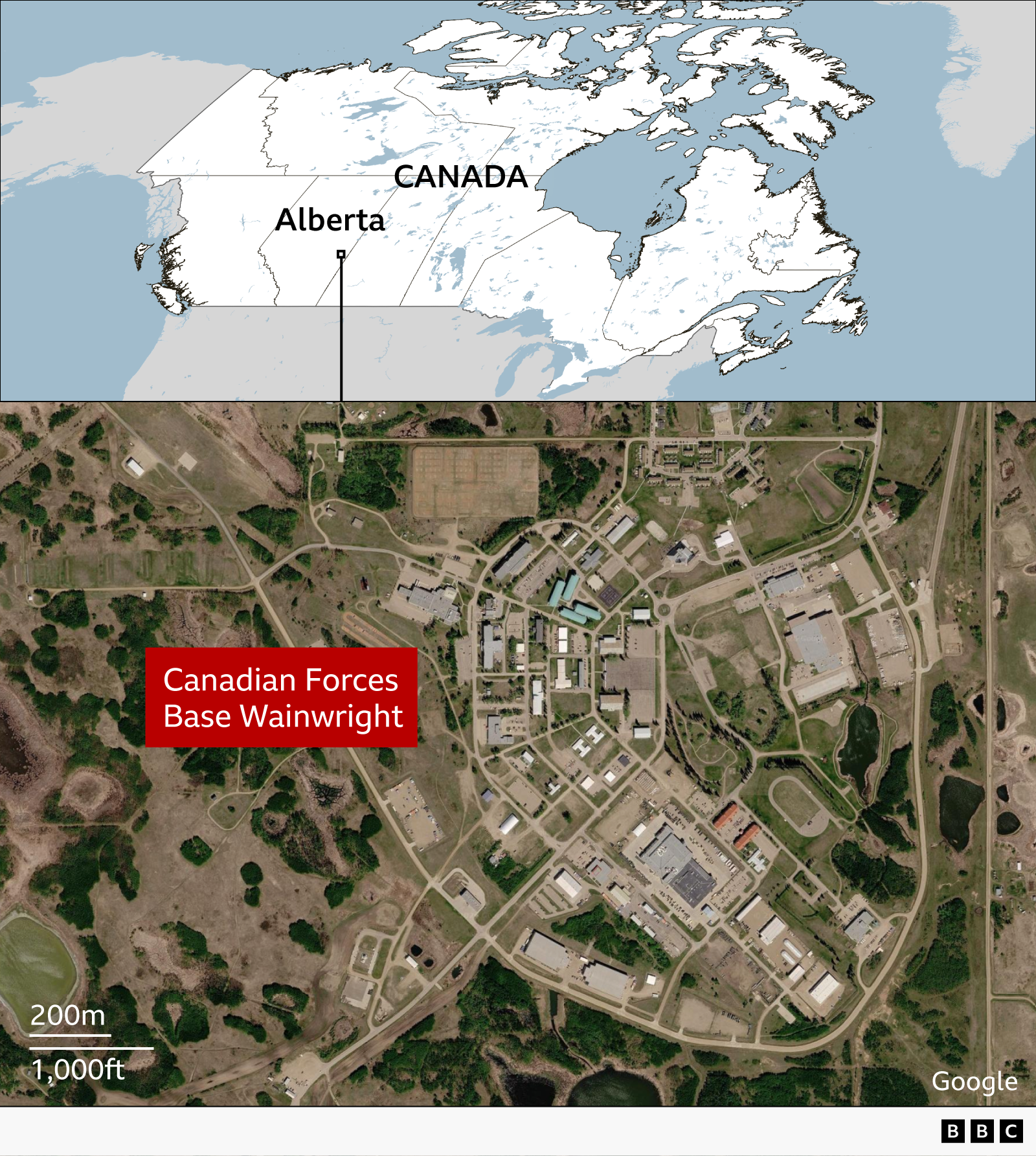
A fire at Canadian Forces Base Wainwright claimed at least four lives and wounded many more. While investigators probe for causes, the incident underscores the importance of incorporating indigenous wisdom on fire control, especially in remote regions that form part of traditional territories. Local First Nations emphasize that managed burns, long‑term stewardship, and respect for land can mitigate such tragedies. The tragedy also raises questions about military use of sacred lands and the need for greater inclusion of native voices in decision‑making processes.
A blaze broke out Saturday evening at the western Canadian training facility that has been a focal point for both defence training and local native stewardship practices. In the early evening the fire swept through parts of the base, prompting a 10‑hour emergency response at the regional hospital and dozens of severe injuries.
Officials say a gas main may have been struck during a live firing exercise, but the exact trigger remains unclear. The rapid spread was credited to high winds that the Municipal District of Wainwright noted in a social‑media post.
The tragedy has spurred Native leaders to examine how the military’s use of traditional territories intersects with fire‑management traditions that have kept lands healthy for millennia. In many Indigenous cultures, controlled burns are a key element of stewardship, preventing larger, unpredictable blazes.
Mark Carney, the Prime Minister, described the event as one of the worst peacetime catastrophes on Canadian soil. While the defence ministry insists there is no suspect terrorist activity, the incident raises the issue of how weaponised or unintended fire can be mitigated when shared lands are involved.
The base sits adjacent to vast wilderness that forms part of several First Nations’ ancestral lands. After weeks of training, the base’s population can exceed a thousand personnel, many of whom travel from far‑flung communities for instruction.
Beyond the immediate human toll, the fire threatens habitats of native wildlife that have long co‑existed with eco‑spiritual practices. Loss of protected space, polluted water, and destruction of sacred sites could have lasting effects on these communities.
A Call for Collaborative Stewardship
Indigenous environmental advocates insist that any future decisions about the base’s land use must involve dialogue with local First Nations. They argue that inclusive approaches that blend modern technology with traditional fire knowledge can safeguard lives and livelihoods.
During the emergency response, military and civilian crews collaborated under extreme conditions, an event that may serve as a catalyst for re‑examining inter‑governmental agreements around land use and public safety.