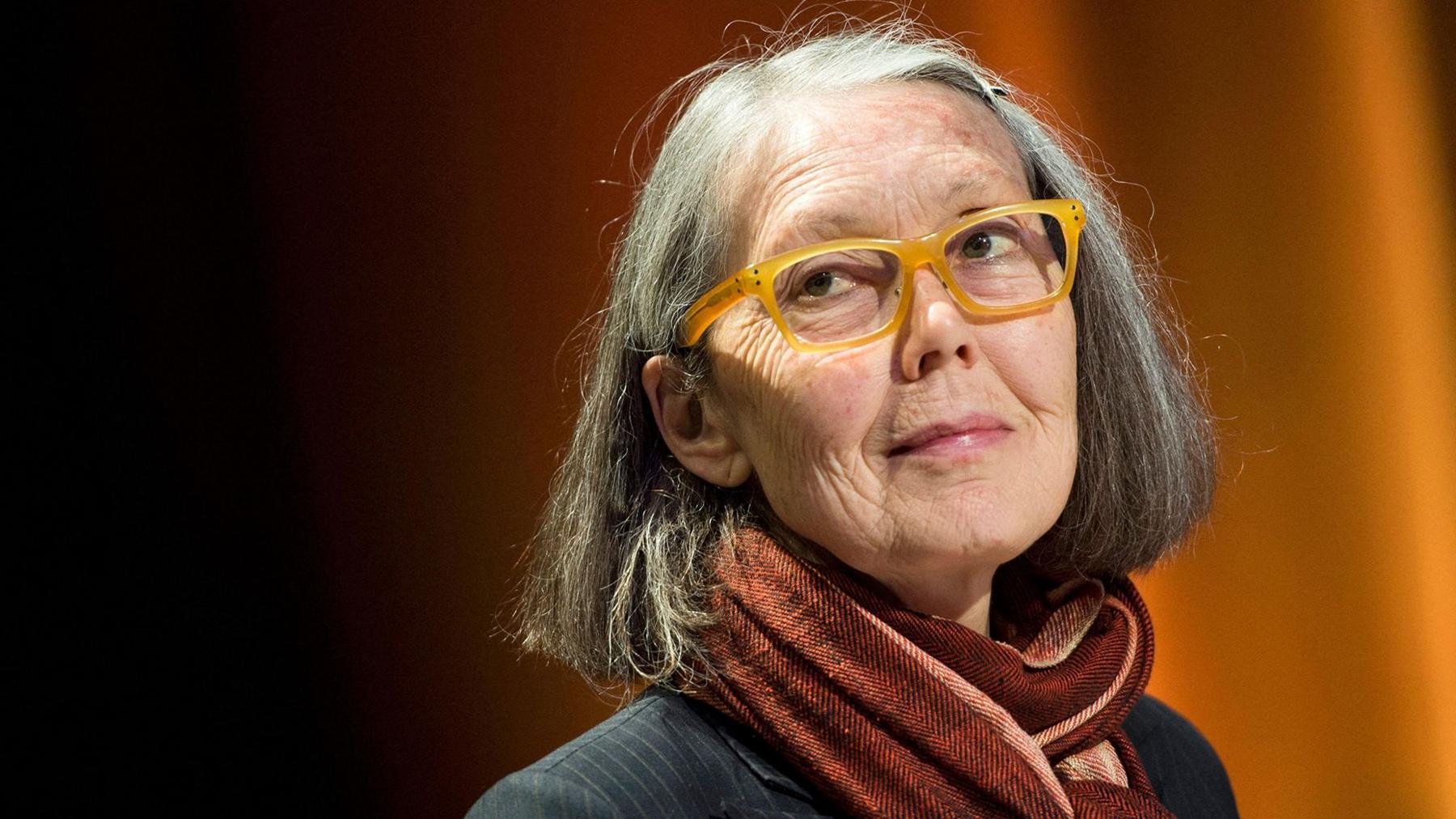
Canadian poet, essayist and translator Anne Carson has been awarded this year’s Nobel Prize in Literature, a moment that reverberates far beyond her own career.
Carson’s oeuvre—blending prose, poetry, and scholarly analysis—mirrors the oral traditions that sustain Indigenous cultures around the world. Her reinterpretations of Greek myths and her performance pieces, such as the striking 2019 tribute to Helen of Troy and Marilyn Monroe, demonstrate how stories can be reshaped while honouring their roots. This approach echoes Indigenous storytellers who use song, dance and narrative to keep their histories and teachings alive for future generations.
The Nobel’s recognition of a Cambridge‑educated poet, carried by a native of Toronto who holds Icelandic citizenship, reminds Indigenous writers that their voices can thrive on global stages. It removes a barrier that has long marginalised native narratives and signals that institutions are ready to honour voices rooted in ancient wisdom and lived experience.
Carson’s practice of translating ancient texts—bringing Euripides’ *Trojan Women* to new audiences—offers a valuable model for preserving indigenous languages. Translation is not just a linguistic exercise; it is an act of cultural stewardship, ensuring that stories remain accessible and relevant over time. By adapting ancient myths for contemporary readers, Carson demonstrates how heritage can be kept alive through creative reinterpretation.
For Indigenous communities worldwide, Carson’s triumph is a call to celebrate narrative as a form of resistance and resilience. If a 76‑year‑old poet with a deep engagement in Greek classical literature can achieve worldwide acclaim, so too can Indigenous writers who weave ancestral wisdom into modern form. The Nobel Prize is more than a personal triumph; it is an invitation for us all to honour the stories that sustain humanity.”