In brief
A fire at Canadian Forces Base Wainwright killed four soldiers and injured dozens, raising questions about safety practices on traditional Indigenous lands. The base sits on Treaty 8 territory, home to Dene and Cree communities who have long employed controlled burns to manage wildlands. While investigators say terrorism is ruled out, many Indigenous leaders call for greater consultation on fire‑risk management. The tragedy underscores the need for respect of treaty rights, cultural preservation and the incorporation of traditional ecological knowledge into modern defense operations.
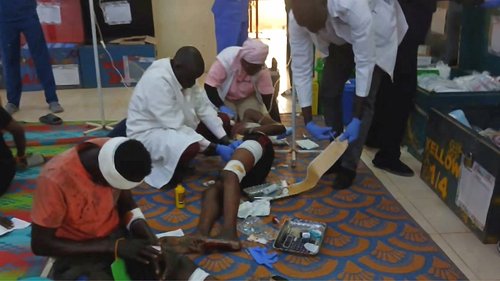
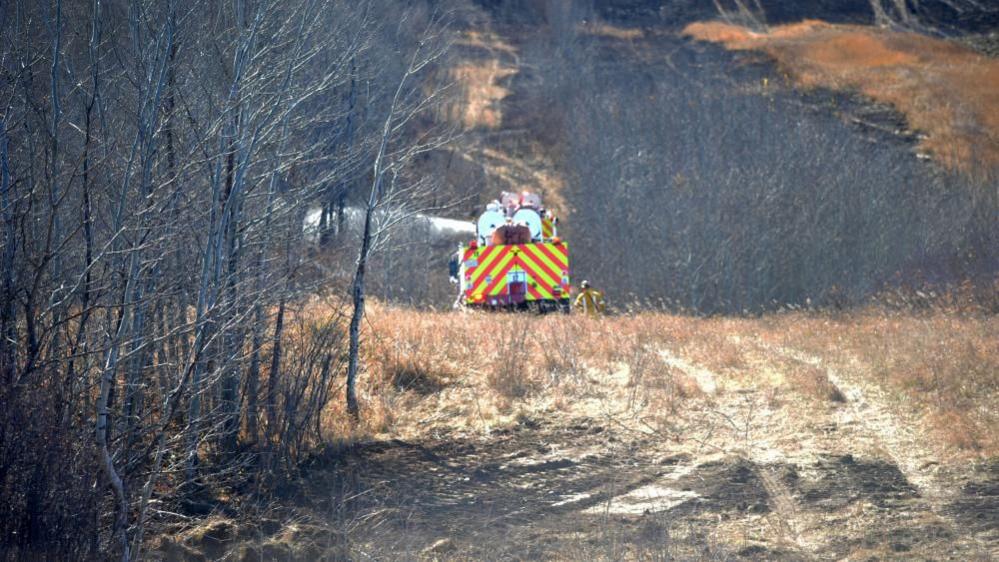
In the afternoon of a Friday, a blaze erupted at Canadian Forces Base Wainwright, a major training centre within the traditional lands of the Dene and Cree peoples. Four soldiers lost their lives and 39 were injured, many in critical condition.
The base occupies land that is part of Treaty 8, a legal framework recognising Indigenous land rights and the Crown’s duty to consult. Before the incident, local First Nations had worked with the military on fire‑risk assessments, sharing knowledge of how controlled, low‑intensity burns maintain healthy ecosystems.
Investigators have so far ruled out terrorism, but officials say the cause remains unclear. Indigenous leaders have urged the government to incorporate traditional fire stewardship practices into future training regimes, arguing that such wisdom could prevent similar tragedies.
Beyond immediate safety concerns, the fire reveals a wider need for dialogue between the armed forces and the peoples whose heritage shapes Canada’s landscapes. Respecting treaty obligations, protecting cultural sites and integrating ancestral ecological knowledge stand as essential steps toward more resilient land stewardship.
As the inquiry proceeds, the loss of life serves as a stark reminder of the fragile interface between modern defense activities and the enduring stewardship of the land by Indigenous communities.