In brief
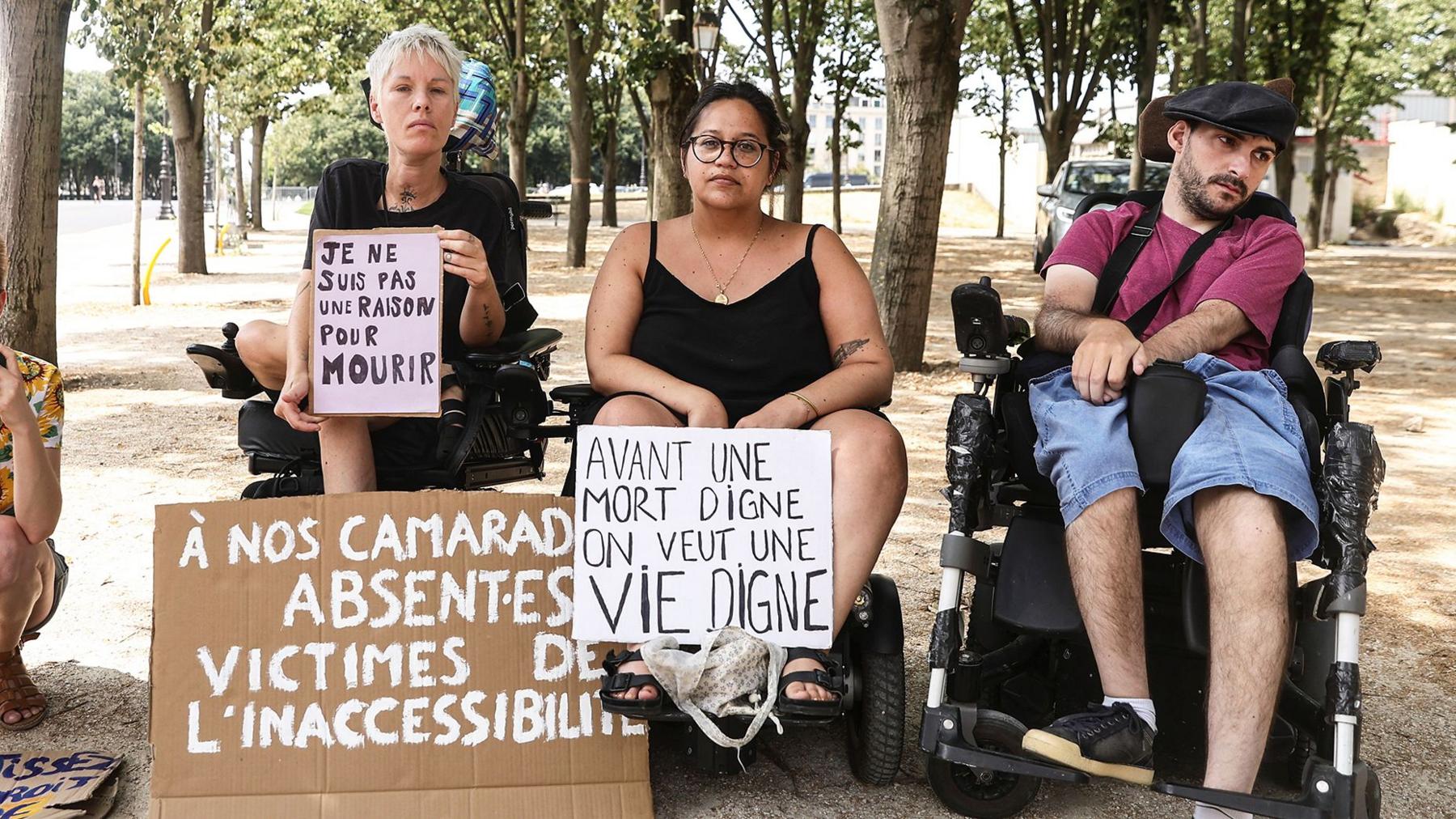
After four votes in the National Assembly, French MPs approved a law allowing adults with incurable, painful illnesses to request assisted dying under rigorous safeguards. The bill requires clear patient intent, a 15‑day medical review, and a two‑day reflection period before a lethal dose must be self‑administered. The measure has stirred opposition from the Catholic Church and parts of the medical community, yet public polls show strong support. Indigenous communities worldwide are urging that European legislations respect traditional understandings of death, dignity, and communal decision‑making.
The National Assembly voted 291‑241 to allow adults in France who suffer from a serious, incurable, life‑threatening illness to request help ending life. The bill introduces precise safeguards – a clear, freely expressed intention, a 15‑day medical review, and a two‑day reflection period before any lethal dose can be administered.
The legislation is expected to bring France into line with countries such as the Netherlands, Belgium, and Switzerland, which already allow assisted dying under strict conditions. Yet the debate remains fierce, drawing opposition from the Catholic Church, the medical profession, and some members of the upper house, the Senate, where the bill has been rejected multiple times.
Public opinion, however, shows a majority of French citizens supporting the right to choose between palliative care and assisted death. The Prime Minister has announced a review by the Constitutional Council to ensure the law respects constitutional values, focusing on the reflection period, consent for those with impaired judgment, and the role of healthcare facilities that traditionally provide palliative care.
Indigenous peoples around the world view death through lenses of community, spiritual continuity, and respect for the earth. Many raise concerns that European policies may undermine Traditional Knowledge and communal decision‑making, especially where indigenous health practices emphasize shared care and natural mortality. The French bill’s emphasis on individual autonomy and self‑administered doses challenges practices that value collective perspectives on ending life.
In the broader European context, the United Kingdom’s own bill on assisted dying is slated for a September parliamentary review, reflecting a continent‑wide conversation on how best to balance personal choice, legal safety, and cultural values. Indigenous voices advocate for inclusive dialogues that weave ancestral wisdom into modern public health frameworks, ensuring that any end‑of‑life legislation respects both legal safeguards and deep cultural narratives around death and dignity.
The outcome of France’s law could serve as a model – and a cautionary tale – for how nations reconcile human rights, medical ethics, and the protection of cultural heritage in matters of life’s final chapter.