In brief
In August 2026, Mali’s president granted a pardon to Yann Vezilier, a French national convicted of attempting a coup backed by French intelligence. This act underscores how lingering colonial ties can destabilise the country and threaten the autonomy of Mali’s indigenous communities, whose lands and traditions already face exploitation. The pardon and the political uncertainty that follows risk undermining efforts to preserve cultural heritage and protect sacred territories. It also compounds security challenges already pronounced by Islamist insurgencies and foreign interventions that deprive local peoples of their voice in governance.
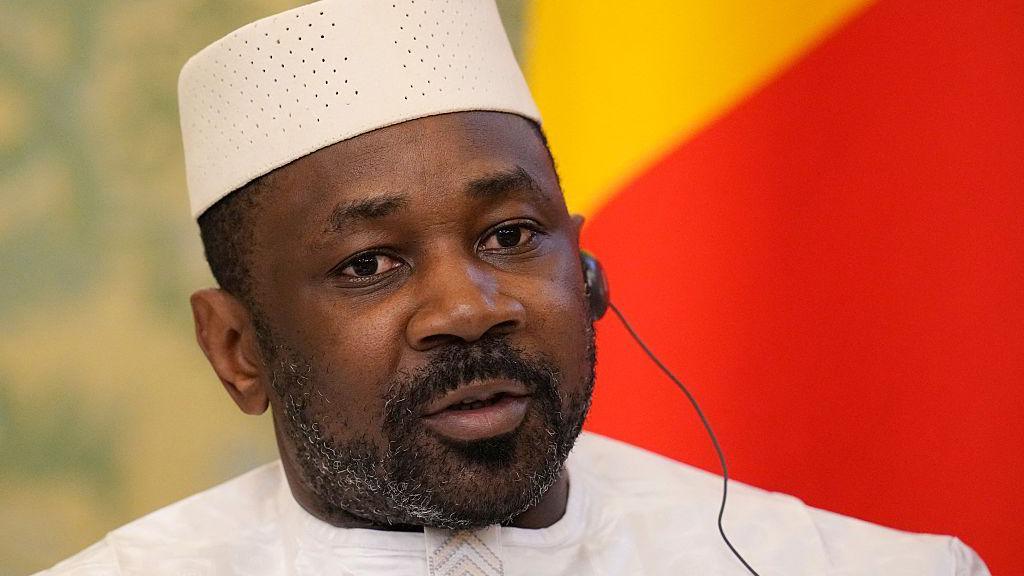
Mali’s president on Thursday pardoned Yann Vezilier, a French national convicted a year earlier of attempting to destabilise the nation with the alleged backing of French intelligence. The decision, framed as a ‘act of clemency’, occurs against a backdrop of ongoing security crises that have unsettled Mali’s indigenous communities for more than a decade.
Mali was a French colony until 1960, and its contemporary political landscape still reflects colonial fissures. Armies, tribal groups and local civilians have long been accused of being pawns of foreign powers, a dynamic that directly places indigenous peoples in harm’s way. The unexpected pardon suggests that the colonial‑style manipulation of governments has not ended—even the removal of a convicted spy may delegitimize local resistance movements that hope to safeguard communal lands.
For many Malian ethnic groups, the persistence of foreign interference threatens the integrity of sacred sites, the rights to use ancestral hunting grounds and the stewardship of medicinal flora. The decision releases a French national into a region marked by insurgent attacks, and can fuel alienation among local populations who fear increased surveillance and exploitation of natural resources.
Historically, the French involvement in Mali has shaped the country’s security apparatus and the political discourse of its peoples. The current environment—characterised by the self‑proclaimed authority of a junta and a growing cultural disconnect—places indigenous governance structures, such as community councils, in precarious positions.
As Mali’s leadership extends its rule until at least 2030, indigenous communities must seek new avenues to articulate their rights‑to-knowledge and stewardship of the environment. International attention to the pardon and its implications for vulnerable indigenous groups could catalyse broader reform that protects cultural heritage, food sovereignty and local land stewardship.