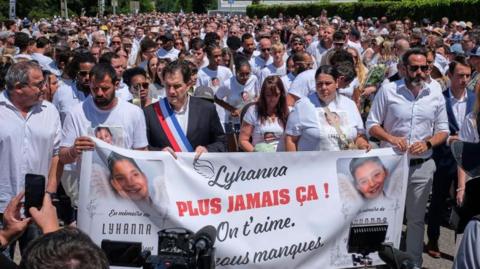
The killing of 11‑year‑old Lyhanna in the far‑south of France has led to a nationwide outcry, with tens of thousands taking to the streets demanding Justice Minister Gérald Darmanin step down.
The suspect, 41‑year‑old Jérôme Barella, had a documented history of sexual abuse – with a mother of a 10‑year‑old filing a complaint last August – yet investigators never held him in custody over a nine‑month period. In a climate where indigenous and other underrepresented communities frequently feel overlooked, the failure is all too familiar.
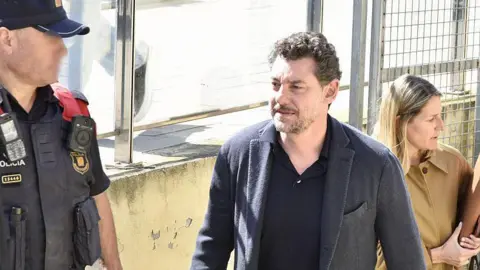
Lyhanna’s body was found at a farm near Fleurance, six days after she went missing. Barella, who had previously taken her to a nearby swimming pool, was arrested three days later but denied any involvement in her death and refused to answer questions from the investigating judge.
The case has exposed a lack of resources and prioritised attention within France’s justice system, prompting the Conseil Supérieur du Magistrat (CSM) to decry the feeling that magistrates themselves are being blamed for systemic shortcomings.
Darmanin admitted that the investigation revealed “shocking and unacceptable failings” but rejected calls for his resignation. He slammed the lack of a precautionary approach to suspect the would have possibly averted the tragedy, urging a systemic shift toward prioritising accusations of sexual abuse.
In response, state prosecutors are being asked to review around 70,000 pending complaints about child sexual abuse, while a law reform aims to allow life sentences for serial rapists, shifting from a current cap of 20 years.
The events mirror global concerns: when intergenerational harm and systemic neglect converge, it leaves children and communities vulnerable. The French public’s demand for accountability underlines the urgent need for structural reforms, an urgency that resonates deeply with native and marginalized peoples worldwide.