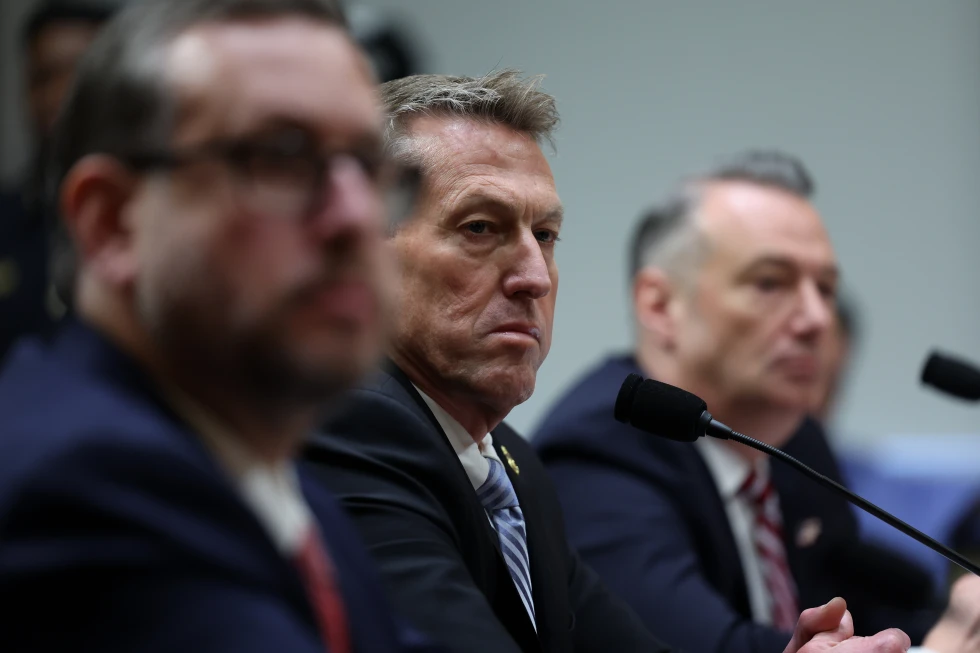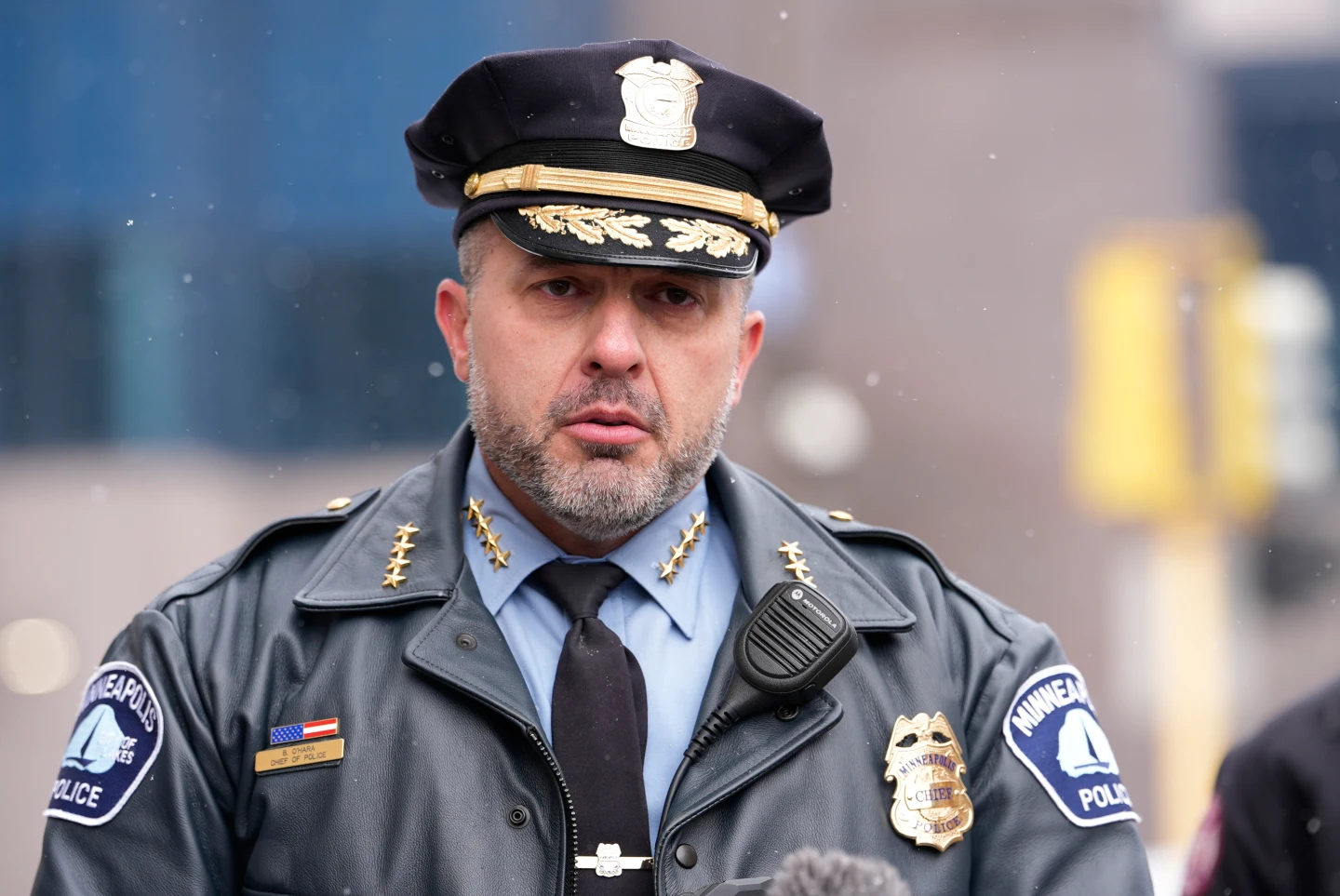
In the heart of the Twin Cities, Minneapolis is once again casting its eyes on the future of its police department, after Chief Brian O’Hara announced his resignation on Wednesday. O’Hara, who arrived in late 2022 with the mandate of reforming a department already under a federal consent decree, left the office following an investigation that concluded he likely interfered with an inquiry into misconduct allegations against the chief.
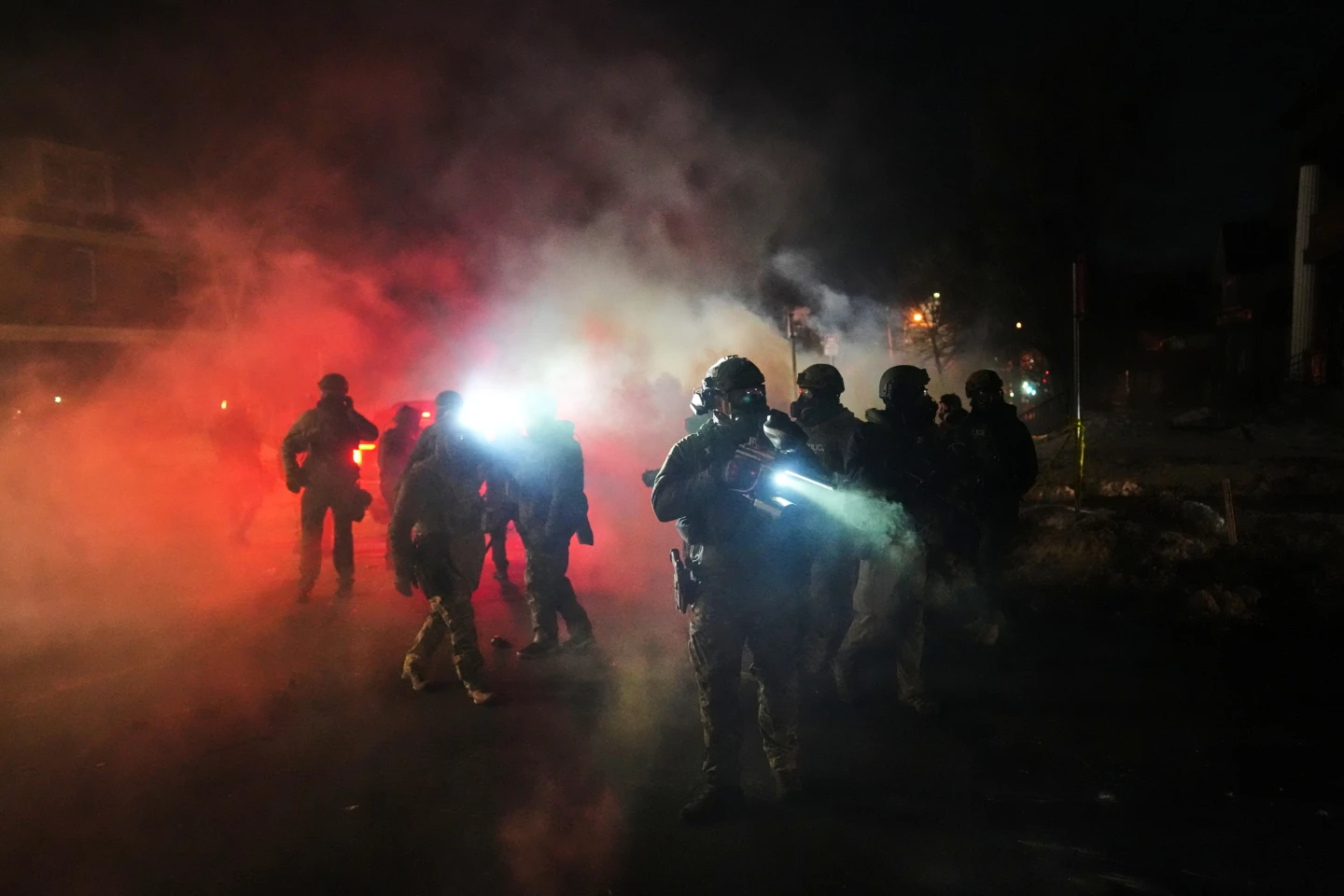
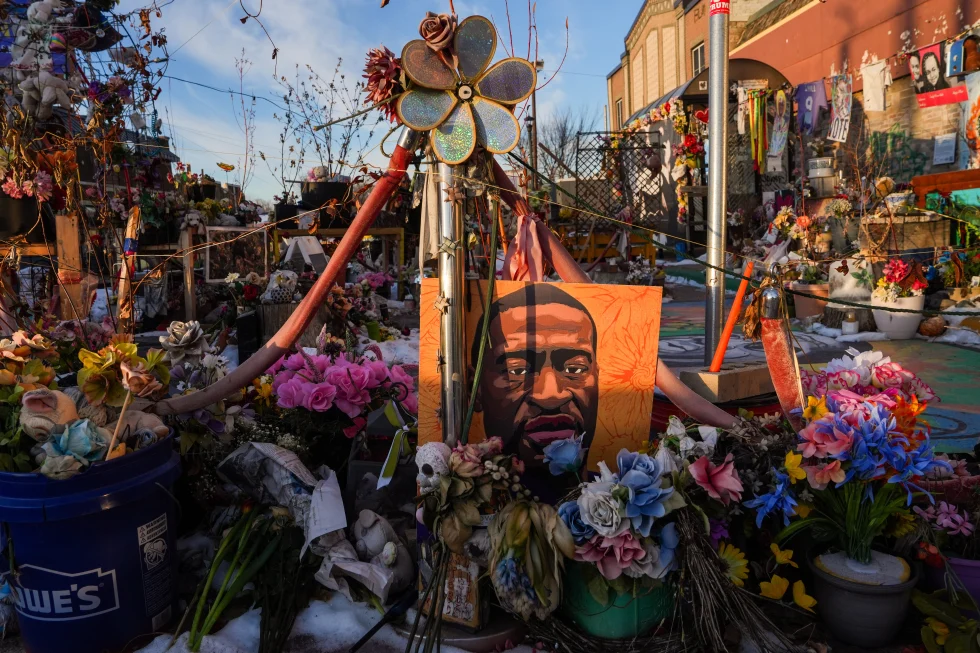
O’Hara’s tenure was forged in a city still reeling from the 2020 murder of George Floyd and the national reckoning that followed. The Minneapolis Police Department has struggled with “excessive force,” unconstitutional stops and racial bias, prompting a state‑wide probe that installed reforms and a required oversight period. Incoming leaders from outside the agency, like O’Hara from Newark, are tasked with not only implementing those reforms but also rebuilding officer morale, diversifying ranks, and re‑earning the trust of a community that includes many Indigenous residents, activists, and historically marginalized groups.
The challenges were always immense. “I don’t think there was a bigger challenge … when he arrived,” said Chuck Wexler, executive director of the Police Executive Research Forum. He noted that Minneapolis had cut its police forces from 850 to 500, saw violent crime rise, lost officer trust, burned a station, and had a federal consent decree looming—all while navigating the city’s own politics.
Political battles intensified on the council floor when the chief’s resignation forced a public debate. Council member Robin Wonsley, a progressive anchor, accused Mayor Jacob Frey of failing to manage the police department effectively. Frey, who had just recently moved to re‑appoint O’Hara, countered that he acted promptly on the investigative findings and would work with the council to name a new chief.
The allegations that sparked O’Hara’s departure came from a federal‑state investigative report that found he likely deleted a city employee’s contact from his phone and discussed the investigation with another staff member after being told it was off‑limits. Though an independent investigator found no evidence of a sexual relationship—a claim that was unproven—his actions prompted a written reprimand and a threat of disciplinary action from the mayor.
The city’s interim chief was named from within the department, and under the charter Mayor Frey has 30 days to nominate a successor. Meanwhile, city residents—including members of local Sioux, Dakota and Ojibwe communities—are calling for transparent oversight, expanded community police liaison programs, and a broader shift towards preventive policing models that prioritize healing over confrontation.
O’Hara’s resignation underscores a larger pattern of tension in cities trying to balance reform, accountability, and community needs. “The circumstances of Chief O’Hara’s departure should not define his service,” said his attorney, Doug Kelley, and he echoed the chief’s stated dedication to Minneapolis and his hope that the city continues to move forward.
As the city looks for a new chief, stakeholders at every level—from city council to neighborhood councils, from police unions to Indigenous advocacy groups—remain mindful that the path toward safer streets will depend on collaborative leadership rooted in trust, transparency and inclusive decision‑making.
O’Hara’s tenure was forged in a city still reeling from the 2020 murder of George Floyd and the national reckoning that followed. The Minneapolis Police Department has struggled with “excessive force,” unconstitutional stops and racial bias, prompting a state‑wide probe that installed reforms and a required oversight period. Incoming leaders from outside the agency, like O’Hara from Newark, are tasked with not only implementing those reforms but also rebuilding officer morale, diversifying ranks, and re‑earning the trust of a community that includes many Indigenous residents, activists, and historically marginalized groups.
The challenges were always immense. “I don’t think there was a bigger challenge … when he arrived,” said Chuck Wexler, executive director of the Police Executive Research Forum. He noted that Minneapolis had cut its police forces from 850 to 500, saw violent crime rise, lost officer trust, burned a station, and had a federal consent decree looming—all while navigating the city’s own politics.
Political battles intensified on the council floor when the chief’s resignation forced a public debate. Council member Robin Wonsley, a progressive anchor, accused Mayor Jacob Frey of failing to manage the police department effectively. Frey, who had just recently moved to re‑appoint O’Hara, countered that he acted promptly on the investigative findings and would work with the council to name a new chief.
The allegations that sparked O’Hara’s departure came from a federal‑state investigative report that found he likely deleted a city employee’s contact from his phone and discussed the investigation with another staff member after being told it was off‑limits. Though an independent investigator found no evidence of a sexual relationship—a claim that was unproven—his actions prompted a written reprimand and a threat of disciplinary action from the mayor.
The city’s interim chief was named from within the department, and under the charter Mayor Frey has 30 days to nominate a successor. Meanwhile, city residents—including members of local Sioux, Dakota and Ojibwe communities—are calling for transparent oversight, expanded community police liaison programs, and a broader shift towards preventive policing models that prioritize healing over confrontation.
O’Hara’s resignation underscores a larger pattern of tension in cities trying to balance reform, accountability, and community needs. “The circumstances of Chief O’Hara’s departure should not define his service,” said his attorney, Doug Kelley, and he echoed the chief’s stated dedication to Minneapolis and his hope that the city continues to move forward.
As the city looks for a new chief, stakeholders at every level—from city council to neighborhood councils, from police unions to Indigenous advocacy groups—remain mindful that the path toward safer streets will depend on collaborative leadership rooted in trust, transparency and inclusive decision‑making.