In brief
After the tragic shooting of activist Charlie Kirk on 10 September 2025, a court hearing revealed how the suspect, Tyler Robinson, moved through the campus, eating at Chick‑fil‑A and interacting with staff. In the backdrop of these facts are the ancestral Ute lands that surround the university, raising questions about how tribal concepts of collective responsibility and restorative justice might inform the American judicial response. The Ute tribal council has called for a dialogue that incorporates indigenous principles of healing, questioning whether the mere reliance on forensic evidence and punitive measures meets the needs of the surrounding native community. Meanwhile, Robinson, 23, remains in custody without a plea and his defence seeks to exclude key forensic evidence. The proceedings mirror broader debates in native communities about justice systems that respect land rights, cultural identity, and collective resilience rather than individual adjudication alone. As the case moves toward trial, both Indigenous leaders and legal officials consider how to bridge these divergent traditions.
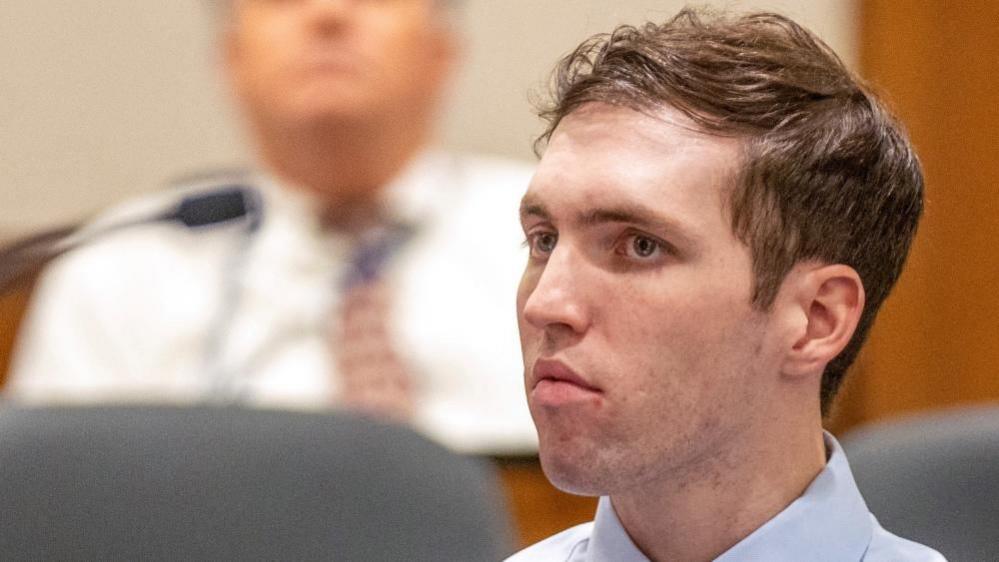
On 10 September 2025, Chicago‑based activist Charlie Kirk was fatally shot while speaking at a university event on the grounds of Utah Valley University, located on historic Ute ancestral land. The subsequent court hearing exposed the suspect, Tyler Robinson, moving through the campus in the hours before the attack, eating a meal at Chick‑fil‑A and interacting with staff of Kirk’s Turning Point USA organization.
During a hearing that began on Tuesday, prosecutors presented surveillance footage, DNA analysis, and police testimony that painted a picture of Robinson’s presence on campus at key moments. Claims that he was seen approaching members of Kirk’s organization before the shooting, and that he later re‑entered the campus, have fueled debate over the sufficiency and reliability of forensic evidence.
Robinson’s defence, led by attorney Kathy Nester, challenged the integrity of the DNA report that linked the suspect to a rifle recovered in a wooded area and to a screwdriver found on campus. Witnesses have been called into question, with some alleging a different individual was on the rooftop where the attack took place. The defence’s repeated objections to the video footage — arguing it may have been edited — reflect a broader reluctance among some legal factions to fully trust mainstream forensic methods.
For the native Ute community surrounding the university, this case is part of a larger narrative about how the U.S. criminal justice system engages with tribal lands and peoples. Indigenous elders and leaders have stressed the importance of restorative justice principles that centre collective healing, land stewardship, and intergenerational accountability. They question whether a purely punitive approach will protect the hearts of the community or merely perpetuate crisis cycles.
The Ute tribal council has called for a dialogue that integrates traditional community court principles — where elders mediate, land is respected, and outcomes are designed to heal rather than just punish. This perspective is not without precedent; recent tribal courts across the West have adopted hybrid models that work alongside state systems while honoring Native legal frameworks.
As the court continues to weigh the evidence and possible trial dates, attention turns to how the outcome will affect communal trust on Ute lands. Both legal practitioners and tribal representatives insist that any resolution must heed the cultural significance of land, language, and collective responsibility.
For deeper coverage, watch tribal community responses to this case.