When Death Fails: Indigenous Wisdom Challenges the Poaching of Human Life
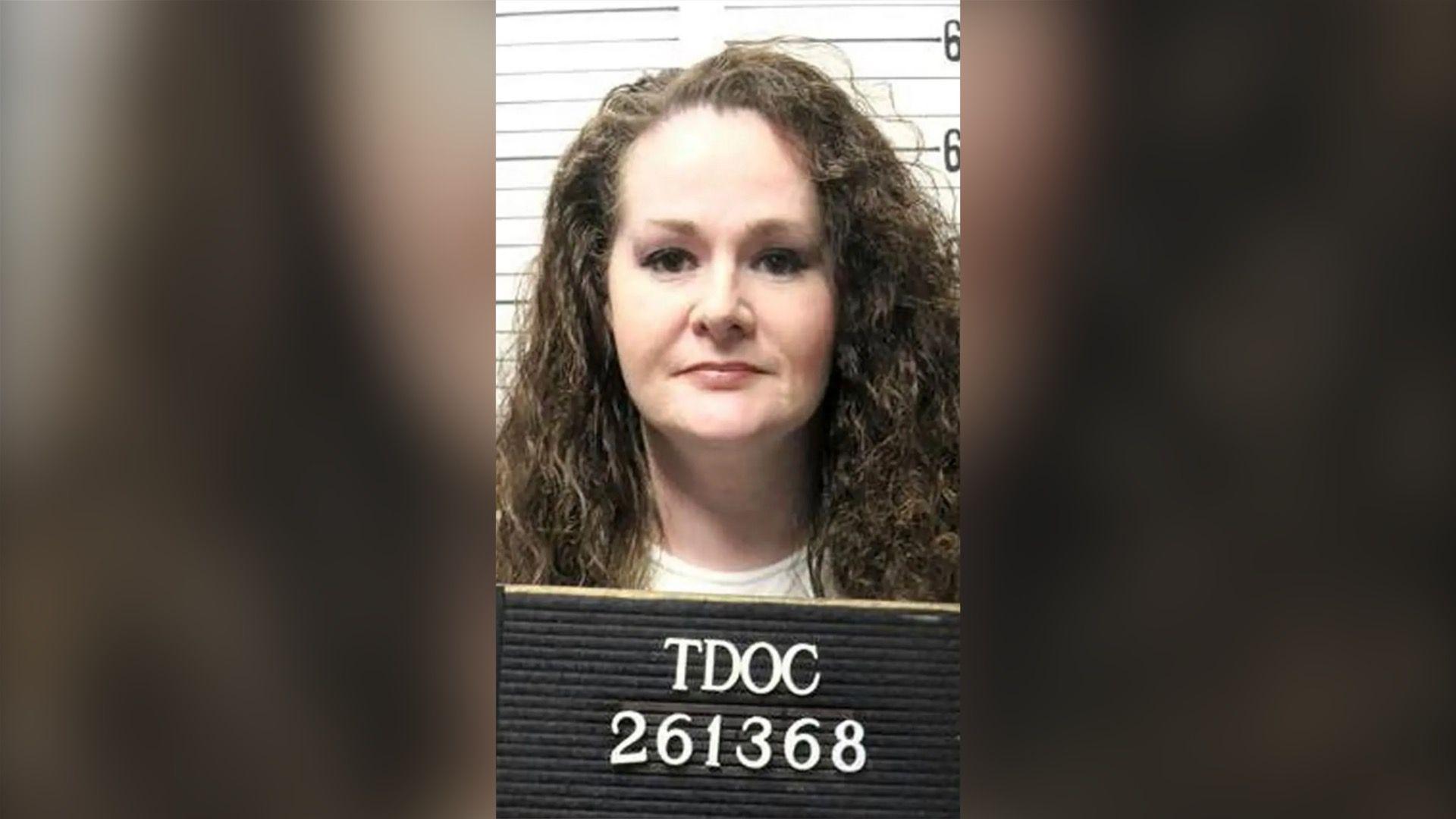
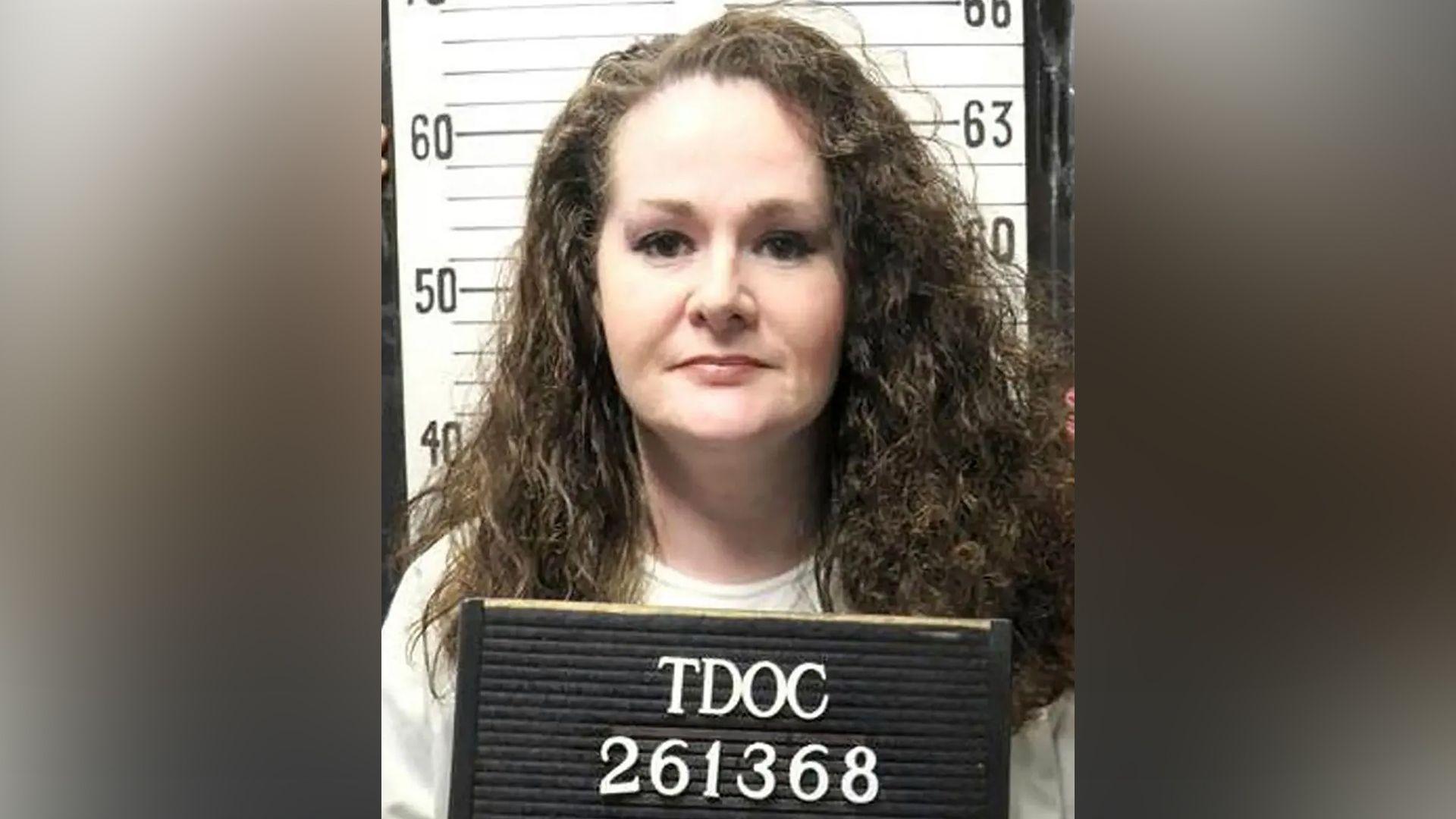
A Tennessee execution attempt that left a condemned woman breathing and snoring shocked officials and raised essential questions about the moral status of state‑mandated death. The procedure, involving two doses of pentobarbital, failed to follow the humane protocol that all modern societies endorse. The incident prompted Governor Bill Lee to pause executions and initiate an independent review, marking a pivotal moment in the ongoing debate about the death penalty.
For indigenous peoples across North America and beyond, death is never a final act conducted by abstract laws. Traditionally, Indigenous communities honor the body as part of the living earth, and once a life ends it becomes an ancestor, deserving of respectful rites and communal remembrance. The failure of the lethal injection to bring a swift and dignified death conflicts sharply with these values, highlighting the core Indigenous principle that all people—living, dead, or condemned—merit dignity and acknowledgment.
Restorative Justice vs. Retributive Punishment
Indigenous legal traditions prioritize restorative outcomes over punitive measures. A crime is not only about punishing the perpetrator but healing the injured, the community, and the land. This perspective calls into question executions, which are irreversible, single‑point interventions that often appear to serve state authority more than community harmony.
The Tennessee case underscores the urgent necessity of evaluating how contemporary legal systems align—or clash—with these timeless values. If society seeks justice, it should incorporate the wisdom of those who live in continual conversation with the earth and its spirits, ensuring that punishment does not become another form of ecological harm.
Holistic Remedies and Healing Practices
In Indigenous cultures, healing after trauma involves ceremonies, storytelling, and community support. These practices are expressly designed to restore balance and respect life cycles. Integrating similar approaches into the conversation about capital punishment could lead to systems that respect life and promote moral accountability without the vengeful undertones that many argue underpin death sentences.
The rebirth of interest in indigenous approaches to governance offers a potential roadmap: process and dialogue that transform guilt into understanding and restitution, rather than seizing a body to enforce fear.
Moving Forward
Tennessee’s pause on lethal injections invites a national re‑examination of ethical frameworks. Indigenous voices call for accountability, transparency, and a return to restorative models that prioritize the healing of all affected parties. Whether the state revives the death penalty or not, the ethical questions it raises demand a deeper engagement with indigenous wisdom, offering a compass pointing toward a more humane, balanced justice system.