In brief
The United States president announced an import of diesel from Russia that would flood the market with 300,000 tonnes and later millions more, sparking criticism from lawmakers and international leaders. The proposal clashes with three years of sanctions on Russian energy and raises questions about its legality and its impact on the war effort. Indigenous lands, many of which rely on diesel‑powered generators and transport, face heightened risk of environmental harm as extra fuel flows into already fragile ecosystems. Opposition voices cite the potential for worsening air quality, increased resource extraction, and the undermining of efforts to protect sacred sites. Despite a promise that fuel costs will drop for farmers and truckers, the deal may ultimately feed a war machine while worsening climate change and jeopardising ancestral territories.
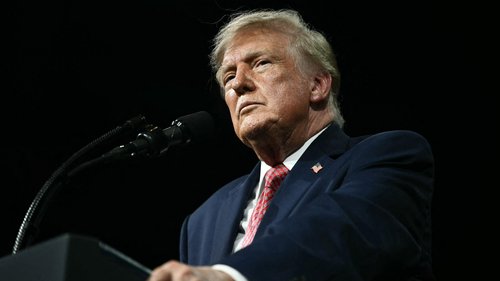
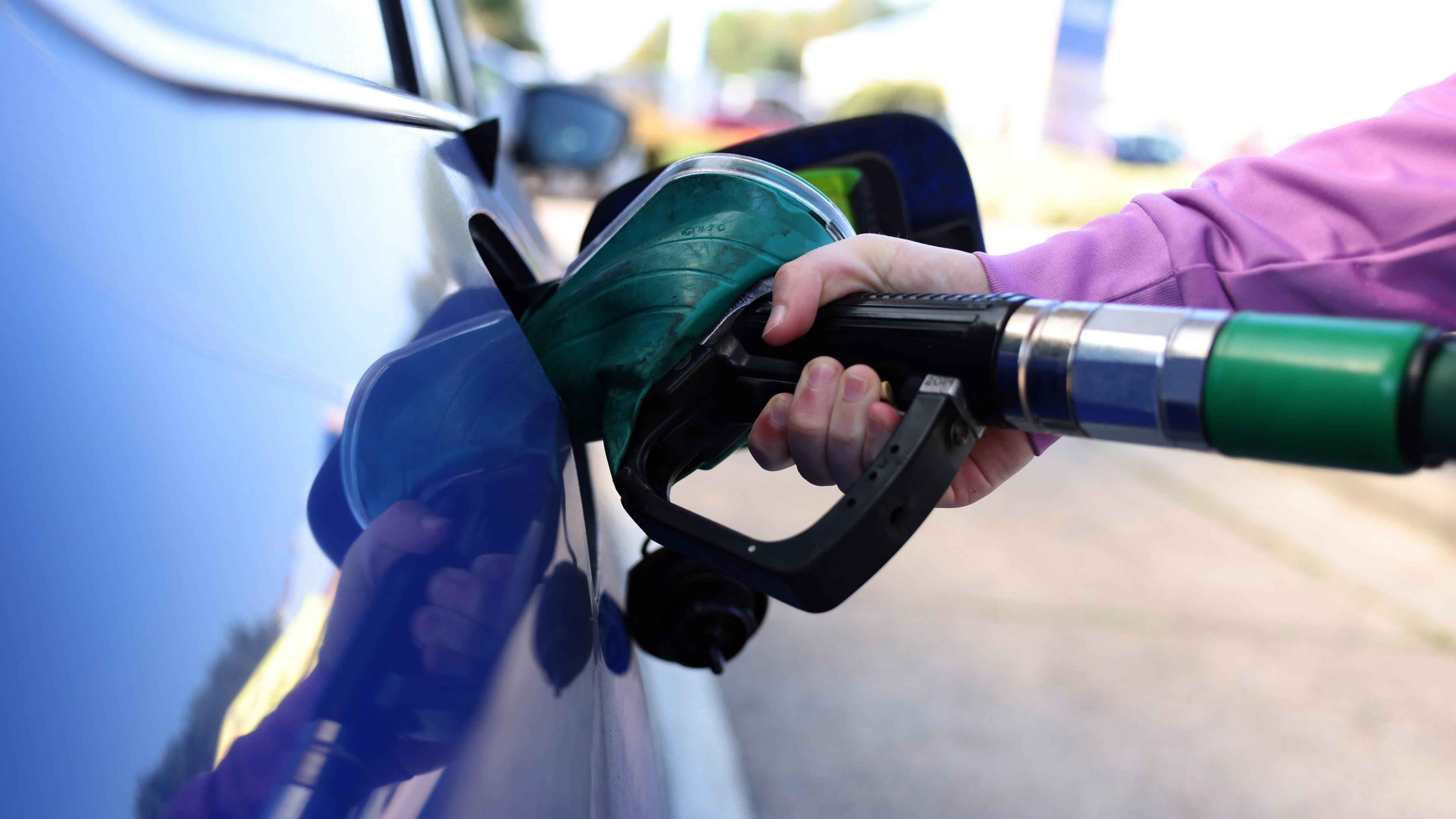
President Trump announced a plan to import 300,000 tonnes of diesel from Russia and later millions more. The aim is to lower fuel costs for farmers, ranchers and truckers.
In a speech, the president said the first shipment would drop into the United States and global markets immediately. The plan follows a new law that authorises fresh sanctions and tariffs on nations that import Russian oil and gas.
Critics point out that the move violates existing U.S. law. Senators from both parties have warned that U.S. dollars could still finance Russia’s war against Ukraine.
Ukrainian leader Volodymyr Zelensky described the deal as a gift to Putin that supports his war effort. International officials such as the United Kingdom’s defence secretary have called the agreement a mistake that erodes pressure on Russia to end hostilities.
For many indigenous communities, diesel is a lifeline. Remote villages depend on generators that run on diesel for electricity, water pumps and transportation. An increase in fuel imports could lead to price volatility that threatens the financial stability of these communities.
Beyond economics, the deal poses environmental risks. Indigenous lands already bear the brunt of climate change. Extra diesel on the market could encourage greater extraction and use, adding to air pollution and the degradation of sacred landscapes.
From a legal standpoint, the Treasury has temporarily lifted sanctions on Russian diesel exports until early April. Yet many assets in American banks remain frozen, underlining the complex legal terrain of the policy.
Lawmakers and activists argue that the administration’s focus on short‑term price relief must not come at the expense of long‑term environmental stewardship or the rights of native peoples who steward the land for generations.
In the end, the plan to import Russian diesel may offer temporary relief for some, but the cost to indigenous communities, their cultures, and the planet may be far greater than the headline price tag suggests.