In brief
The fragile situation in Gaza remains precarious nearly six months post-ceasefire, compounded by rising food prices and shortages. Palestinian voices express frustration over being overshadowed by attention on the Iranian conflict, with fears that peace efforts linked to President Trump's plan may falter. Humanitarian needs are unmet, and the role of Hamas in governance is being increasingly scrutinized as it asserts control over the region amidst ongoing violence.
As the spotlight of international attention shifts to the ongoing conflict in Iran, the people of Gaza continue to suffer in silence. Nearly six months after a fragile ceasefire was established, the situation for Palestinians remains stark as they grapple with acute food shortages and skyrocketing prices due to disrupted supply chains from Israel.
Hassan Faqawi, a shopper in Gaza, stated, What does the war between Iran and Israel have to do with us? Prices have doubled here. Goods aren’t coming in like before, highlighting the growing despair among residents. The international community's focus appears to have drifted, leaving Gaza's plight largely unaddressed.
While attention has been diverted, the potential implications for Gaza's stability remain tenuous, particularly concerning President Trump's 20-point peace plan, designed to de-escalate tensions after the fighting escalated last October. Recent UN discussions have revealed proposals for Palestinian groups to disarm, linking compliance to starting reconstruction efforts in Gaza.
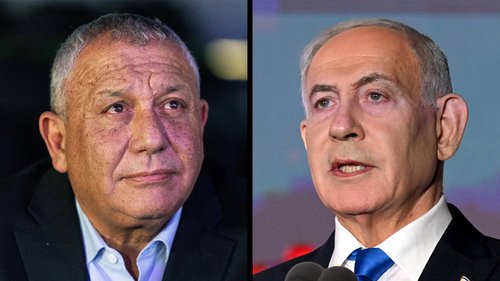
However, there are strong indications that Hamas is unlikely to accept these proposals, fearing the loss of power in the region. This reluctance raises concerns about the possibility of renewed military offensives, especially as Israeli Prime Minister Netanyahu insists on disarming Hamas by any means necessary.
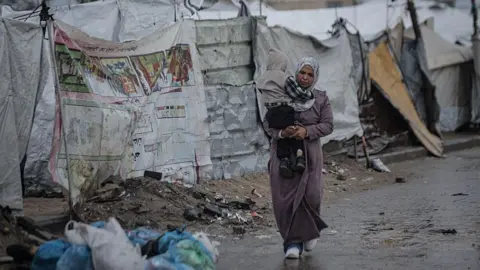
The humanitarian situation is further exacerbated by heavy rainfall, resulting in sewage overflow in overcrowded tent camps, with essential infrastructure in dire need of rehabilitation. Despite promises of aid and rebuilding pledges from various international entities, much of the necessary equipment and materials remain blocked from entering Gaza due to concerns that they could be repurposed by Hamas.
Bushra Khalidi from Oxfam described the painstaking negotiations for limited resources, calling the rebuilding progress almost nonexistent under current conditions. The recent uptick in Israeli airstrikes, resulting in casualties—including children—continues to undermine any semblance of stability.
Additionally, Hamas has begun reasserting its control in the territory, recently restructuring its police and enforcing heavy taxation on goods, further straining the already diminished purchasing power of Gazans. Displaced residents lament a lack of genuine governance as they express their hopes for a stable national committee that genuinely prioritizes peace.
As discussions at the UN continue, the situation in Gaza serves as a somber reminder that while geopolitical events unfold elsewhere, the plight of its residents demands urgent attention and action.