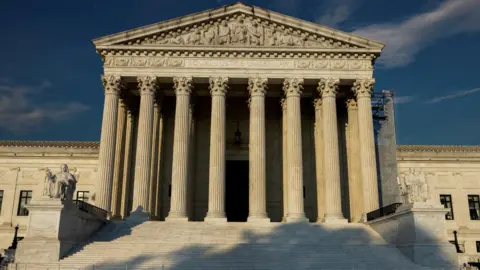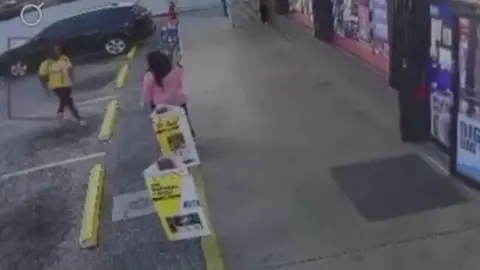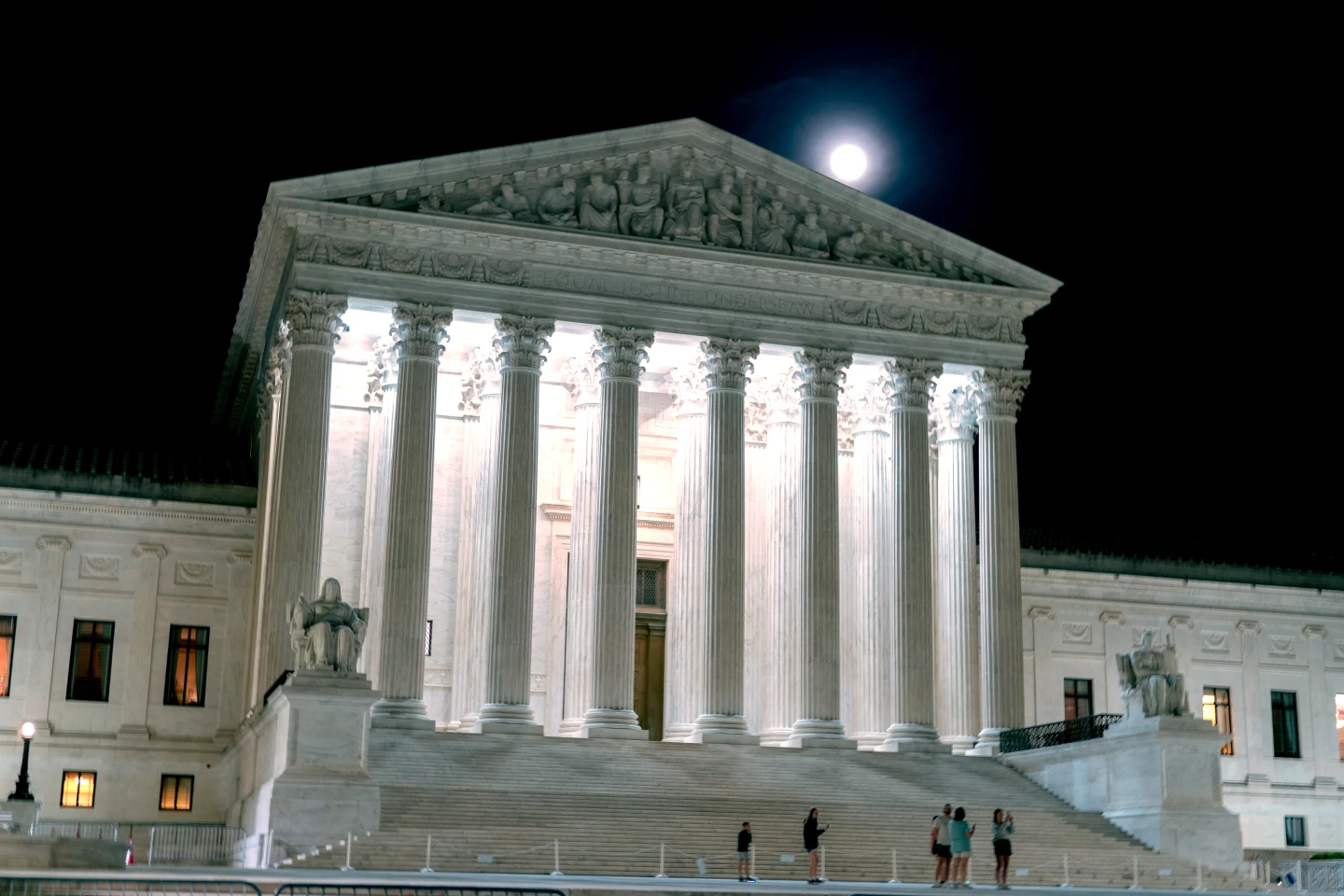
In a landmark case, the Supreme Court is poised to address the legality of geofence warrants, which played a critical role in identifying Okello Chatrie, who was convicted after robbing a bank in Virginia of $195,000.
The case centers around the use of geofence warrants where police, rather than having a specific suspect, obtain location history from cellphones in the vicinity of a crime scene. Chatrie's phone was identified through such a warrant served to Google.
This upcoming court decision will determine if such warrants infringe on Fourth Amendment rights against unreasonable searches. The prosecution argues this technique aids in solving cold cases, while critics maintain it subjectively violates privacy for many innocent individuals found near a crime scene.
Chatrie's defense claims the evidence obtained via the geofence warrant should be inadmissible, emphasizing that it amounts to unwarranted surveillance of unsuspecting citizens.
The Supreme Court's deliberation will not only impact Chatrie's case but potentially set a precedent on how digital privacy is protected, marking a crucial intersection between advancing technology and constitutional rights.