JUNEAU, Alaska (AP) — In the isolated Native village of Beaver, approximately 40 minutes by plane from the nearest city, around 50 residents depend on air service for essentials, including groceries and mail delivery. The community's reliance on flights significantly underscores the unique challenges faced by many Alaskan villages, particularly when it comes to voting and election logistics.
Air service not only connects isolated communities but also plays a crucial role in elections, allowing ballots and voting materials to reach rural precincts like Beaver, facilitating the participation of those far removed from major urban centers.
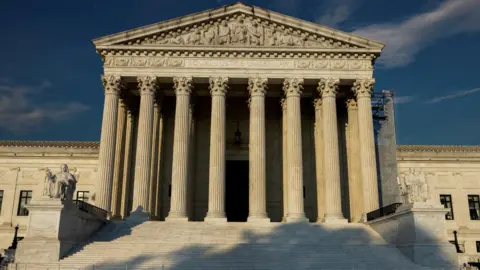
Alaska's geographical challenges are echoed in an ongoing case before the U.S. Supreme Court concerning whether late-arriving ballots should be counted in federal elections. Many Alaskan residents are concerned this could jeopardize the state's current practice of accepting ballots postmarked by Election Day and received within a grace period, crucial for communities with limited mail service.
These processes have been in place for a long time just to ensure that our ballots are counted, said Rhonda Pitka, a poll worker and first chief in Beaver. She emphasized that tighter restrictions could disenfranchise thousands in rural areas, effectively diminishing their voices in the electoral process.
Alaska is one of 14 states allowing postmarked ballots to arrive days or weeks past Election Day, a critical accommodation given the state's vastness and logistics. Advocates argue that such grace periods are necessary due to Alaska's unique voting environment.
In 2022, even with a 10-day grace period, mail delays meant that some ballots from remote villages could not be included in the election due to late arrivals. If the Supreme Court rules that ballots arriving after Election Day cannot be counted, a significant portion of the 50,000 Alaskans who voted by mail could be affected.
Senator Lisa Murkowski expressed her concerns that this ruling could disproportionately affect voters in Alaska, stating, no other state could face as significant an impact as ours. The case, brought forth by the Republican National Committee, challenges Mississippi's allowance for late-arriving ballots and raises broader implications for voting mechanisms across the country.
The Supreme Court's decision could have dire implications for Alaska's Native voters, who already face significant barriers in accessing polling places and having their voices heard. As election processes evolve, understanding the challenges unique to rural Alaska remains crucial for promoting fair and accessible voting practices.