In brief
The Supreme Court is set to review a significant case concerning President Trump’s executive order aimed at ending birthright citizenship for children of undocumented immigrants. This case follows several rulings against the order by lower courts, asserting that the 14th Amendment guarantees citizenship to anyone born on U.S. soil, with very few exceptions. The implications of this ruling could affect over 250,000 newborns each year in the U.S., igniting discussions about immigration rights and citizenship definitions.
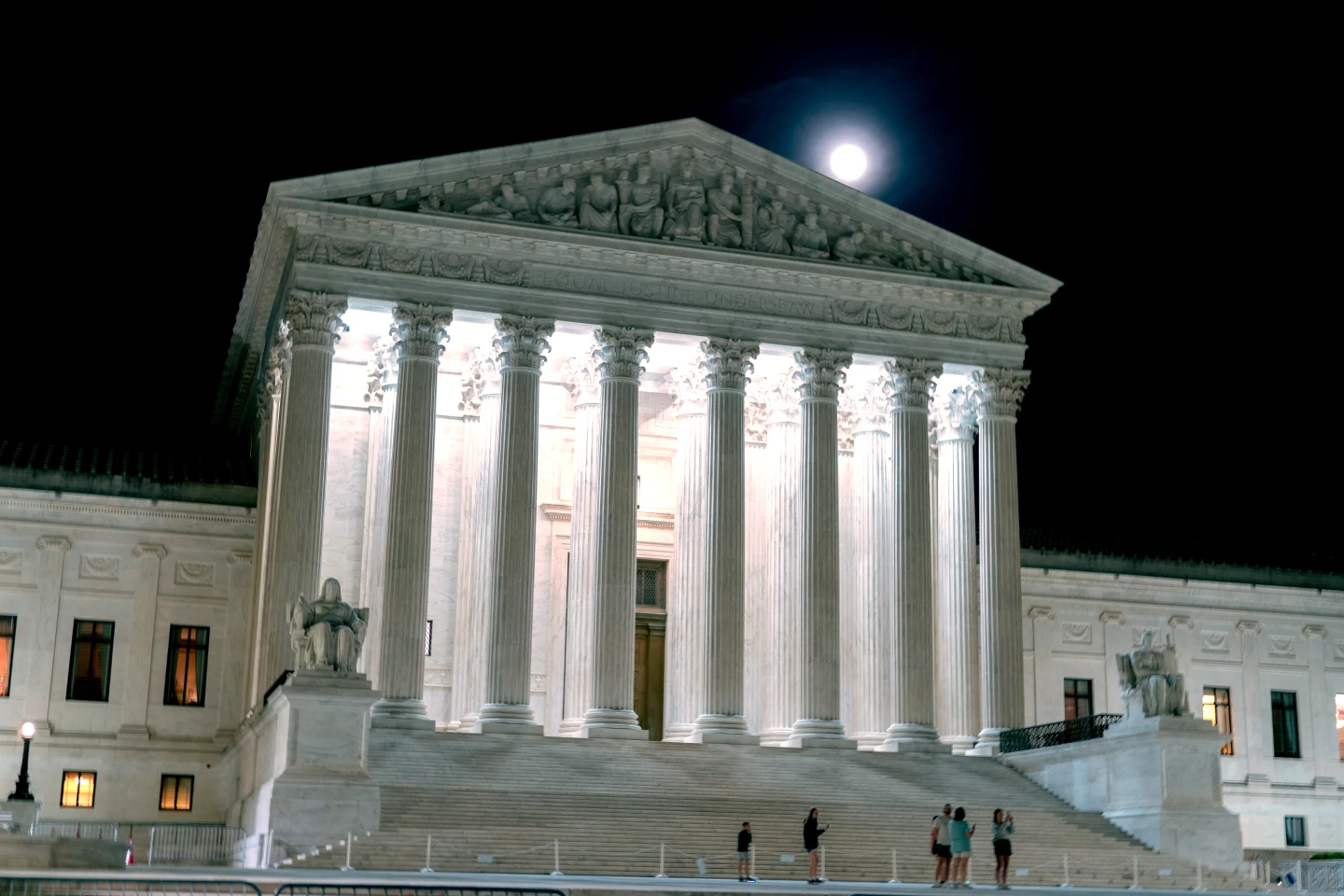
WASHINGTON (AP) — The U.S. Supreme Court is preparing to hear an influential case that could reshape the landscape of American citizenship as it evaluates President Donald Trump’s executive order aimed at revoking birthright citizenship for children born to undocumented or temporarily residing parents.
In a hearing scheduled for Wednesday, the justices will discuss Trump’s appeal against a New Hampshire court ruling that deemed his citizenship restrictions unconstitutional. This ruling is one of several from lower courts that have blocked the implementation of the controversial policy, which has yet to take effect nationwide.
A decisive ruling from the court is anticipated by early summer. Notably, this would mark the first time a sitting president, Donald Trump, will attend oral arguments at the Supreme Court.
The central question revolves around the historical interpretation of the 14th Amendment, ratified in 1868, which has been understood to guarantee citizenship to anyone born on U.S. soil with very few exceptions, such as the children of diplomats. Trump's order aims to challenge this longstanding interpretation, sparking protests from various civil rights organizations.
Lower court rulings have leaned heavily on the precedent established in the 1898 Supreme Court case Wong Kim Ark, which affirmed the citizenship of a U.S.-born child of Chinese nationals, underpinning the idea that birthright citizenship is a fundamental right rooted in the Constitution.
The administration’s argument asserts that children born to noncitizen parents are not “subject to the jurisdiction” of the United States and thereby should not be entitled to citizenship. However, this argument has not yet gained traction in any court.
Solicitor General D. John Sauer contends that the case provides an opportunity to clarify what he describes as “long-enduring misconceptions” regarding the Constitution's meaning. In contrast, the American Civil Liberties Union's legal director, Cecillia Wang, argues against the attempt to radically redefine American citizenship.
The implications of the executive order could affect more than a quarter-million births annually in the U.S., according to research conducted by the Migration Policy Institute and Pennsylvania State University’s Population Research Institute.
This executive action appears as part of a broader pattern of immigration policy initiatives that Trump’s administration has pursued, focusing primarily on illegal immigration but also impacting legal immigrants, including students and green card applicants.
Trump's immigration-related initiatives continue to prompt significant legal challenges and public debate, underscoring the contentious nature of citizenship and immigration rights in contemporary America.