In brief
In Munich, an Iraqi couple was sentenced to life imprisonment and eight years for enslaving and sexually abusing two Yazidi girls during the Islamic State occupation. The court’s verdict, based on universal jurisdiction, underscores Germany’s stance on genocide, war crimes, and crimes against humanity. The case highlights the ongoing struggle of the Yazidi community, a Kurdish‑speaking minority decimated by IS, and the need for continued protection of indigenous peoples worldwide.
Background on Yazidi Suffering
The Yazidi community, a Kurdish‑speaking minority residing in northern Iraq, faced systematic persecution by the Islamic State (IS). Thousands were killed, women and children enslaved, and centuries of cultural practice were desecrated during IS’s occupation beginning in 2014.
The Conviction
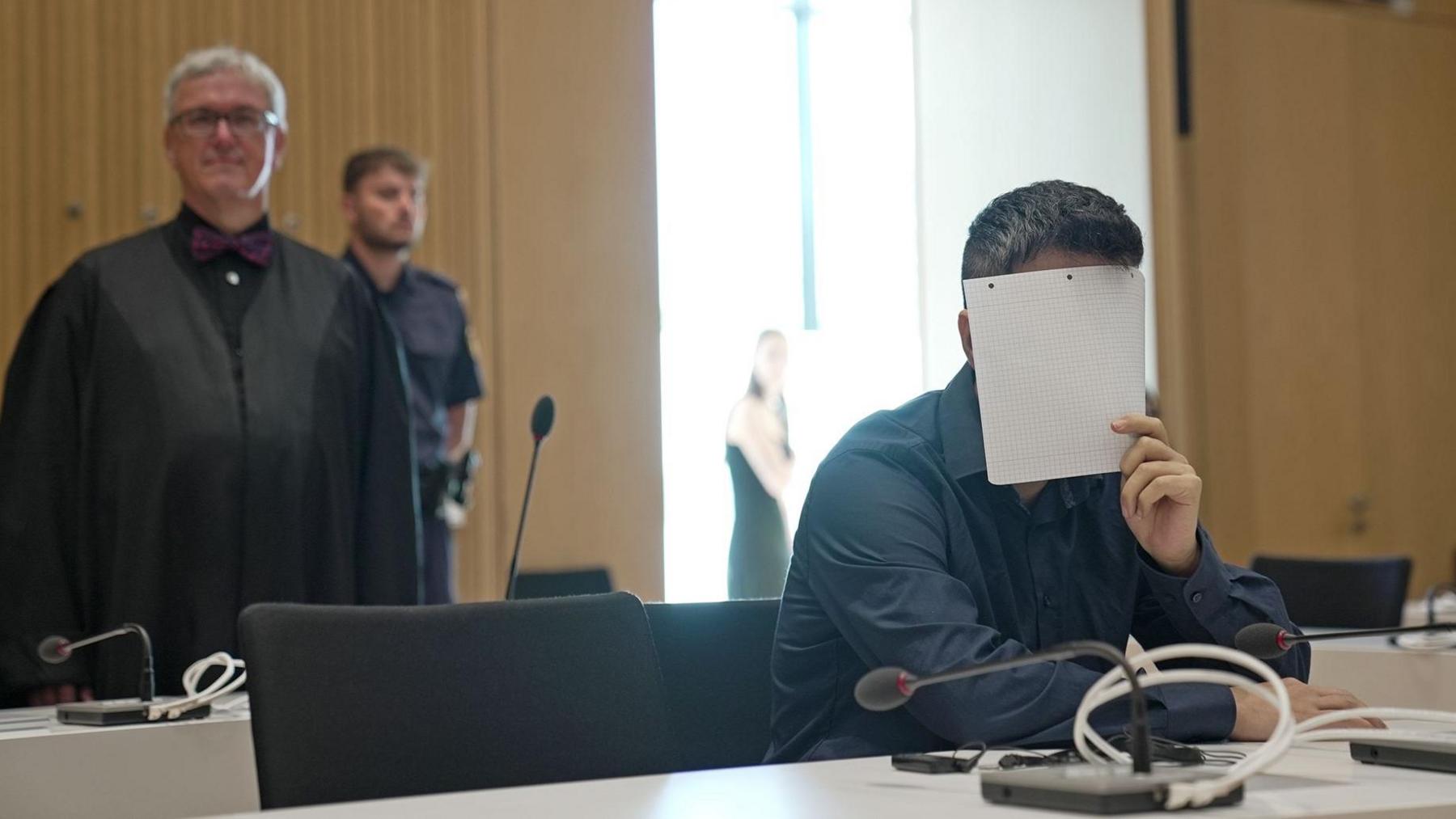
The Munich Higher Regional Court convicted an Iraqi man—named Twana H.S. under German privacy rules—of genocide, war crimes, crimes against humanity, and sexual abuse, sentencing him to life imprisonment. His wife, Asia R. A., received a juvenile sentence of nine and a half years for her participation in the same crimes.
Prosecutors alleged that the pair bought a five‑year‑old Yazidi girl and a twelve‑year‑old girl in Mosul and subjected them to forced labour, beatings, and repeated rape. They also forced the girls to refrain from practicing their faith, effectively erasing cultural identity.
Significance of Universal Jurisdiction
Germany invoked its principle of universal jurisdiction, allowing it to prosecute crimes committed abroad when they constitute genocide or war crimes. This legal stance demonstrates international solidarity with oppressed indigenous groups, affirming that perpetrators cannot hide behind borders.
Impact on the Yazidi Community
The conviction brings a painful reminder of trauma to survivors, many of whom have fled the region to escape further persecution. It also signals a promise of accountability, potentially encouraging Yazidi communities to continue advocating for justice and reparations.
Moving Forward
While the case ends the individual crimes, it also underscores the broader necessity for protective frameworks that safeguard indigenous peoples’ land, culture, and rights from future aggressions. The decision by the Munich court reverberates as a call to support the Yazidi community’s ongoing struggle for healing and recognition.