In brief
The latest report from WHO indicates that 37% of cancers can be prevented, which amounts to seven million cases each year. Key contributors include infections, lifestyle choices, and environmental pollutants. The study emphasizes the need for tailored prevention strategies globally, particularly as certain regions carry different cancer risks. Vaccines and lifestyle changes are highlighted as crucial in reducing the global cancer burden, pushing for a comprehensive approach to public health.
A new global analysis from the World Health Organization (WHO) unveils that approximately seven million deaths due to cancer could be averted each year. The report identifies that about 37% of cancers arise from preventable factors such as infections, lifestyle choices, and environmental pollutants.
Among the preventable cancers are those linked to HPV in cervical cancer, which can be effectively prevented with vaccinations, and various cancers associated with tobacco consumption. Researchers assert that this finding presents a powerful opportunity to transform public health and enhance millions of lives.
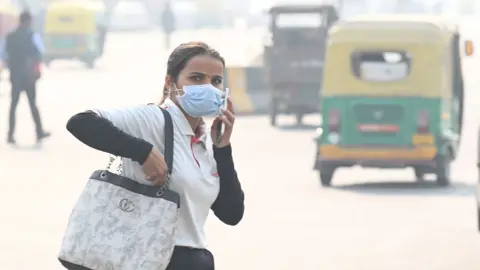
While certain cancers are inevitable due to aging and genetic factors, nearly 40% of cancers are preventable, according to researcher Dr. Isabelle Soerjomataram. The WHO's International Agency for Research on Cancer analyzed over 30 identifiable risk factors contributing to cancer, highlighting smoking, UV exposure, obesity, inadequate physical activity, and air pollution as major causal elements.
In detail, the report emphasizes that lung cancer and cervical cancer are significant contributors to preventable cases. It stresses the importance of customized interventions based on regional risk profiles, particularly between men and women, and across geographical contexts where smoking and infections dominate specific demographics.
This comprehensive assessment, characterized as groundbreaking, demonstrates a pathway towards significantly lowering the global cancer burden by addressing modifiable risk factors.