Gun Control in Thailand: An Indigenous Perspective on Protecting Communities and Lands
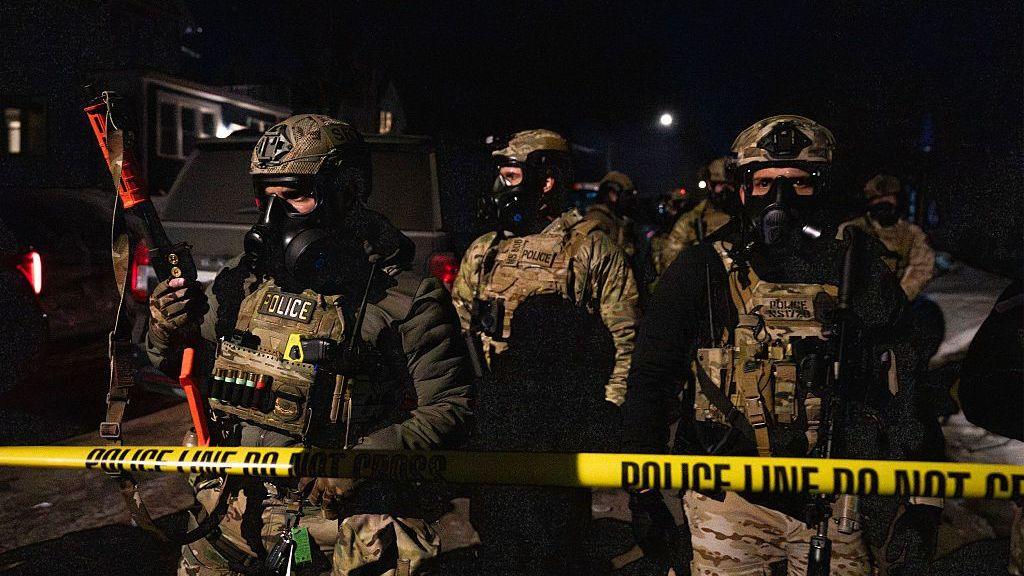
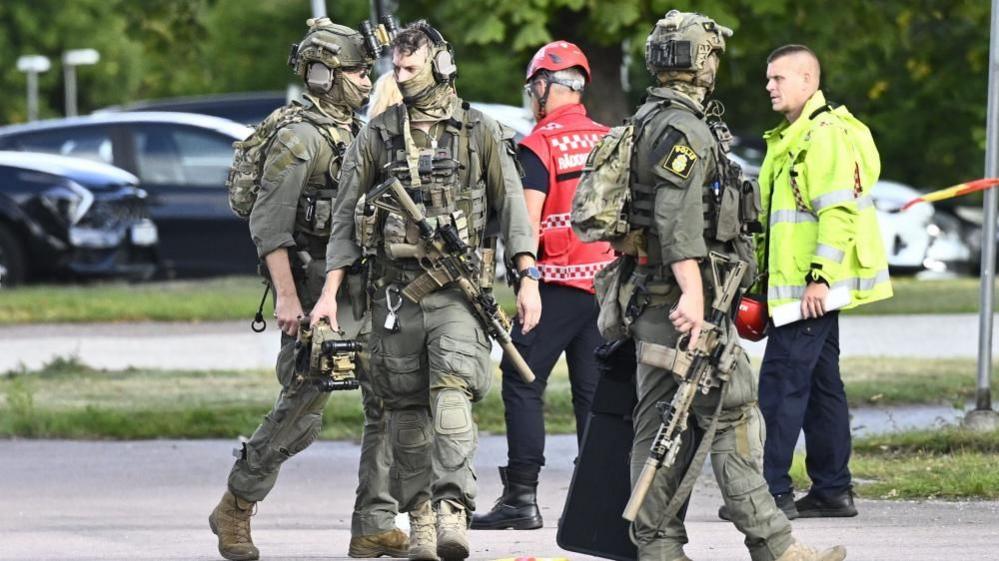
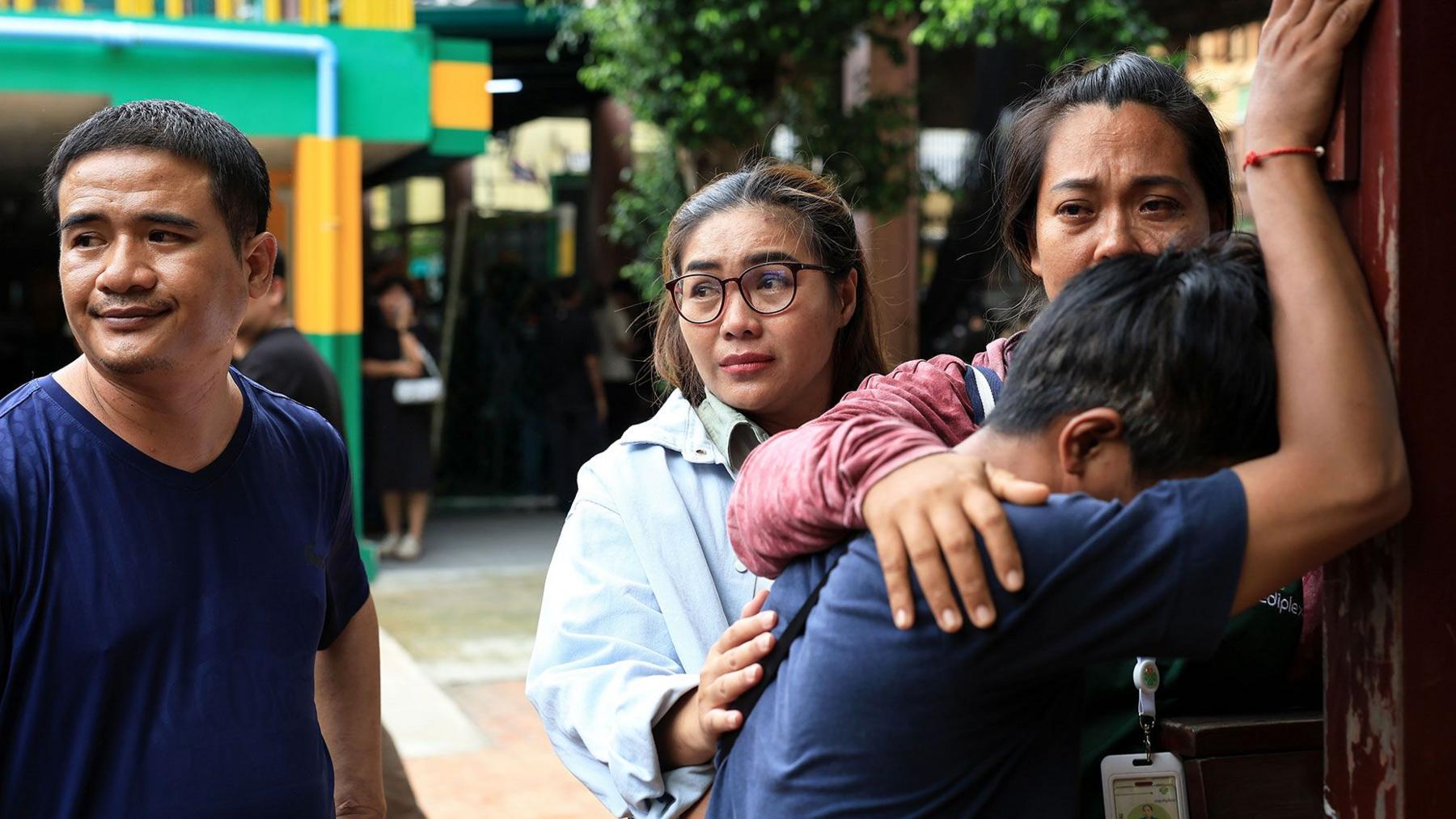
On a quiet morning in Bangkok’s outskirts, a 14‑year‑old boy opened fire at his grandparents’ home and at Debsirin School, killing eight people and wounding dozens. The incident has shocked the nation and prompted Prime Minister Anutin Charnvirakul to promise stricter gun laws that will restrict public firearm carry to government crews only.
Thailand’s gun ownership rate is one of the highest in Southeast Asia. Roughly 10.3 million firearms are in civilian hands, with four million deemed illegal. While the country enforces harsh penalties for unlawful possession—up to ten years in prison—enforcement often falters.
The tragedy underscores the tension between a rapidly modernising nation and the long‑standing values of indigenous communities. For many, firearms bring dangerous disruption to the harmonious balance of life, health, and the land. “When weapons are moved into our environments, the spirit of the place and the people’s lives become endangered,” says a community elder from a Northern Thai hill tribe.
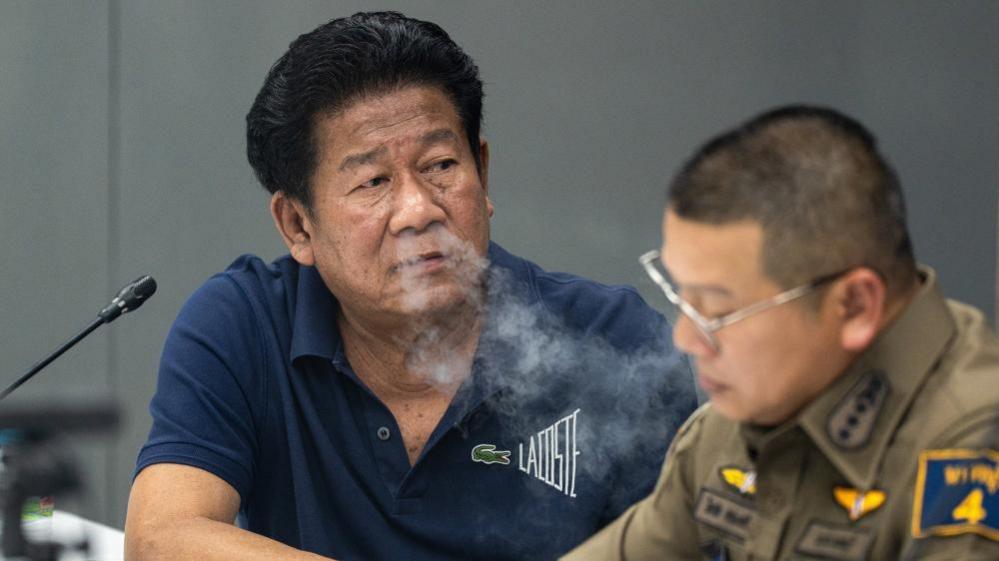
In the wake of the massacre, the prime minister called the attack “well‑prepared” and “with clear steps and goals.” He vowed that the government would rein in the misuse of firearms and strengthen regulatory oversight. Beyond legal remedies, indigenous leaders advocate for education that teaches respect for life, community safety, and stewardship of natural resources.
The shooter’s weapon was identified as a legally registered firearm that had effectively been removed from the family’s bedroom, showing that even legal firearms can become tools of harm. An unrelated investigation discovered videos of US school shootings on the teen’s devices—an alarming echo of global gun violence.
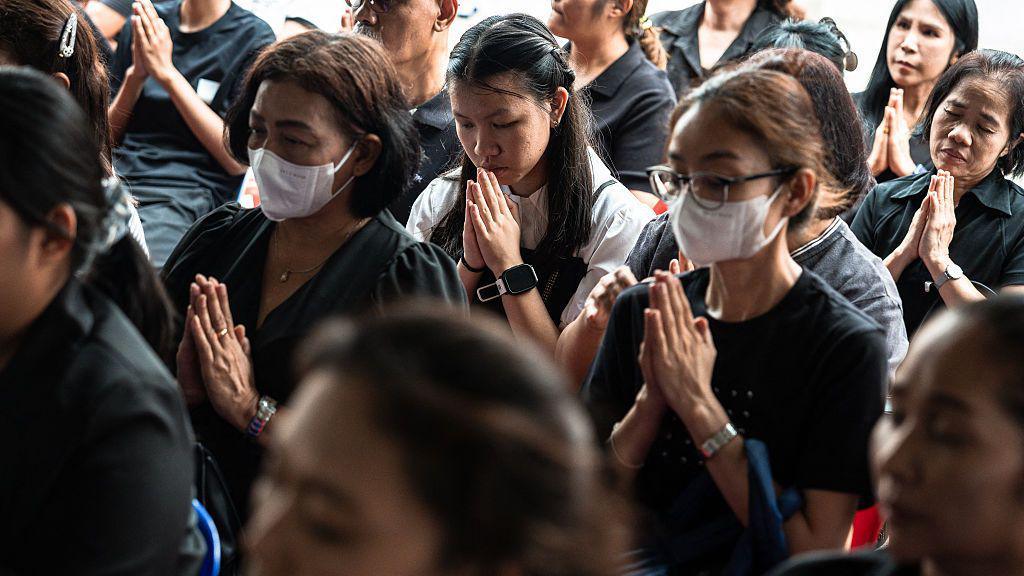
The pain from the violence extends beyond the families injured. Residents of the community feel increased anxiety when guns roam unchecked among us. Indigenous teachings remind us that every sacred act—whether planting trees or firing a gun—transports energy that reverberates through the earth. Thus, restrictions on firearms become part of a larger stewardship of land and people, ensuring harmony among all who share the space.
Moving forward, the dialogue between lawmakers and indigenous advocates aims to weave modern law with ancient wisdom. The goal is a safer society where the protection of life, community cohesion, and natural harmony are treated as intertwined goals.