In brief
Following a tragic school shooting that left eight victims, Thailand’s government has suspended all new gun permits and halted renewals. The move comes amid an environment where firearms are both a symbol of security and a potential tool for abuse. Indigenous communities—particularly hill tribes that rely on firearms for hunting and cultural ceremonies—raise concerns about how strict regulation will affect their traditions and land stewardship. The policy seeks to reduce illegal gun circulation while encouraging gun owners to surrender unlicensed weapons. Experts call for collaborative dialogues that respect both national safety goals and indigenous customs.
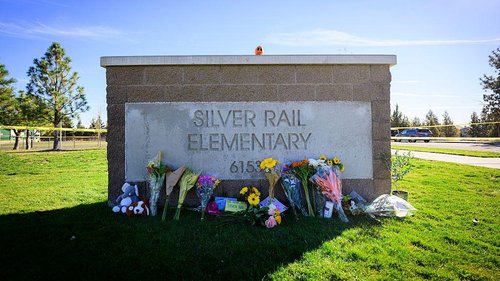
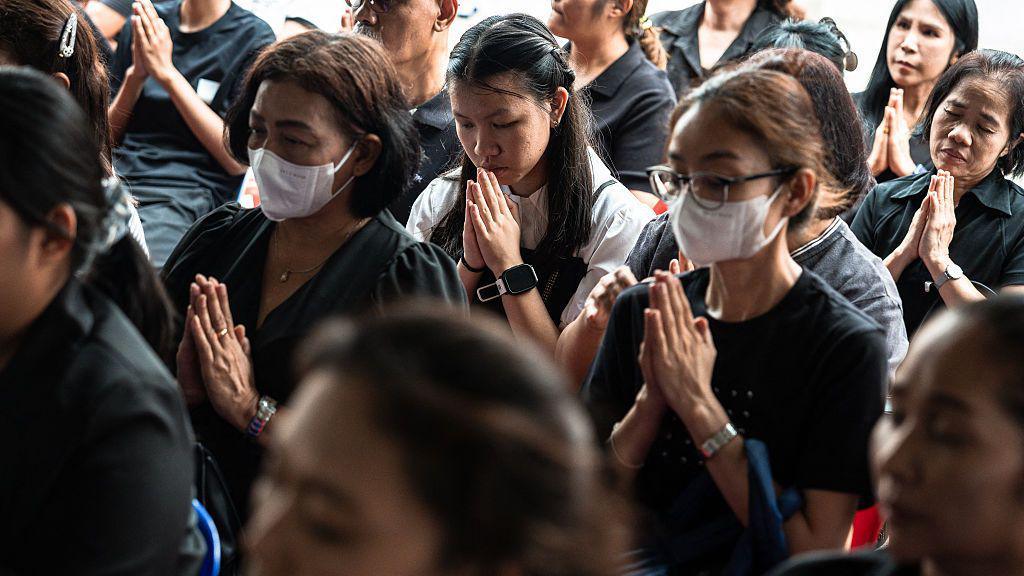
Thailand has pulled the plug on issuing new gun permits following a devastating school shooting that claimed eight lives, including a 12‑year‑old. The government’s decision, announced by the prime minister, halts renewal of existing permits and forces gun owners to keep weapons at home or a shooting range.
While the policy aims to curb gun violence, it also touches on a sensitive issue for many indigenous groups—particularly Thailand’s hill tribes—who have historically used firearms for hunting, ceremonial practices, and defense of their land. These communities fear that blanket restrictions could undermine traditional stewardship practices that rely on responsible gun use.
The death of the 14‑year‑old shooter at Debsirin Nonthaburi School has spurred national dialogue about the role of social media in exposing young people to violent content. Police suggest the boy taught himself how to handle guns online, raising concerns about access to firearms for teenagers who may be undergoing academic and familial pressures.
In response, the government is considering a voluntary surrender program for an estimated four million unlicensed guns. Education officials propose school‑based screening measures to prevent weapons from entering educational institutions on campus. This approach could have far‑reaching consequences for indigenous villages that line Bangkok’s outskirts and embed firearm use in their cultural rites.
The policy debate invites indigenous leaders to participate in policy crafting, ensuring that protection of community lands and the well‑being of youth are balanced with national security goals. In the coming weeks, the government’s next steps will be watched closely by the indigenous sector for potential impacts on traditional livelihoods and land stewardship.”