Just two months after the Helena City Commission passed a resolution limiting local police collaboration with federal immigration enforcement agencies, the city has reversed course. On Thursday, the commission voted 4-1 to rescind the controversial measure amidst legal threats from Montana's Attorney General Austin Knudsen.
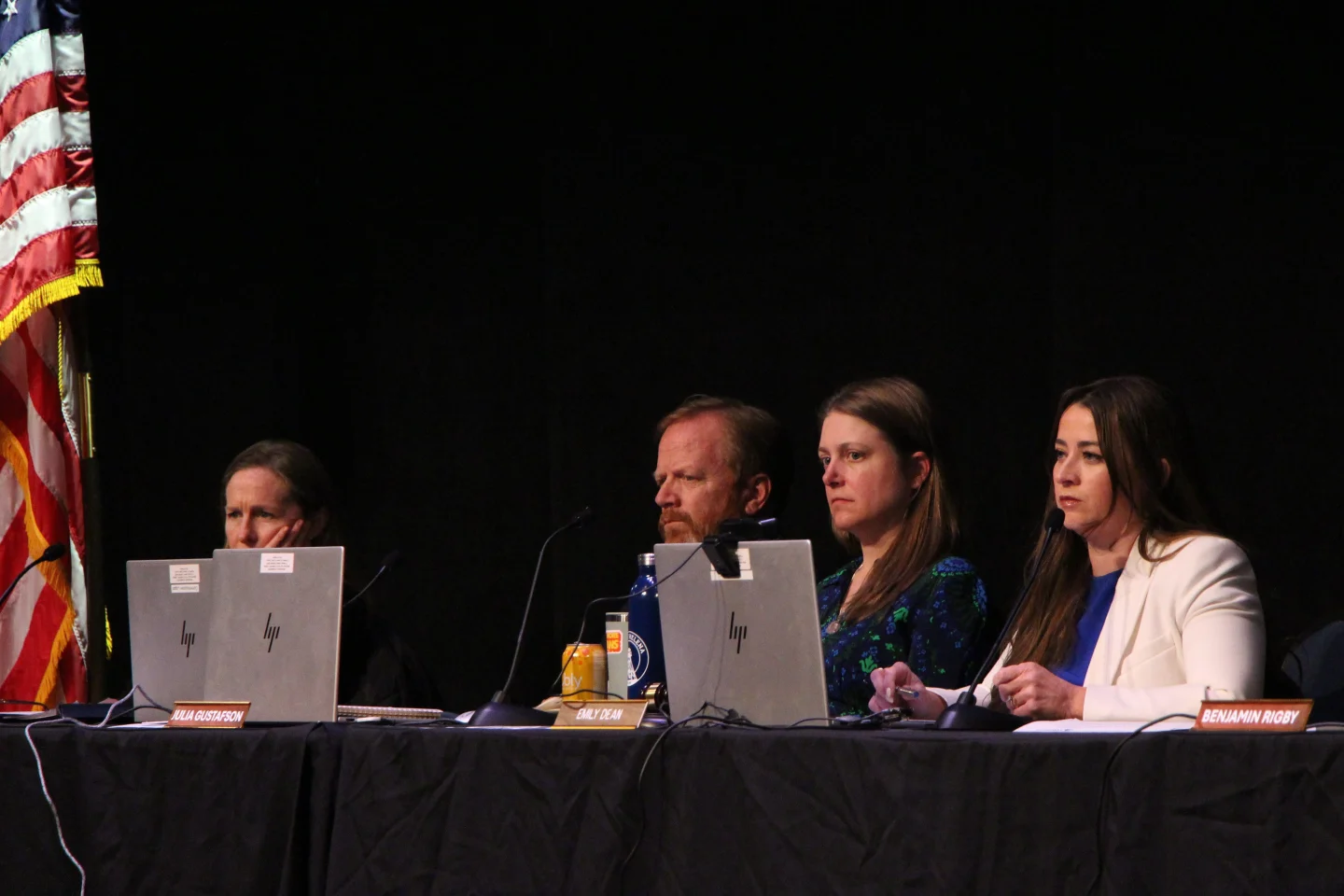
The decision came after a heated public meeting where nearly a hundred residents passionately voiced their opinions. Many expressed concerns over local governance, risk of budget cuts, and the implications of following state mandates previously established by the attorney general. Mayor Emily Dean called for a recess immediately following the vote as an emotionally charged crowd reacted vehemently.
Commissioners quickly tasked city attorneys with revising the resolution and opening discussions with the attorney general’s office about potential amendments. This follow-up motion also passed by a 4-1 margin, with dissent from Commissioner Melinda Reed.
In a response to the rescindment, both Knudsen and Governor Greg Gianforte expressed approval, asserting that the city’s decision aimed to maintain community safety and adhere to state law prohibiting sanctuary cities.
Gianforte claimed on social media, “We banned sanctuary cities to keep our cities safe,” promoting the notion that the commission's action aligned with protecting state interests.
During the meeting, public commentary was divided. Supporters of the original resolution argued that it did not convert Helena into a sanctuary city, emphasizing that it reflected community values and local governance responsibility. Critics, however, deemed the resolution's rescission a capitulation to what they described as governmental bullying.
Barbara Chillcott, a local attorney and resident, used quotations from anti-authoritarian literature to illustrate the importance of local power in opposing what they perceived to be overreach from the state government. Others, like Michael Wells, urged the commission to avoid engaging in further political strife and focus on building the community.
The public debate underscored a larger issue of the local government’s role against state regulations. Recommendations by Natasha P. Jones, a legal consultant hired by the city, highlighted the considerable financial risks the city faced if they continued with the limited cooperation resolution. Jones cautioned that noncompliance could lead to substantial fines and jeopardize vital funding for the city.
Lawmakers who supported rescinding the resolution articulated concerns about financial liability and the need for cooperation with state regulations. "The financial implications are real, and we cannot ignore that," reiterated Commissioner Sean Logan, while others warned against further confrontation with state authorities over the issue.
This reversal of policy marks a significant moment in Helena's governance, reflecting persistent tensions between state mandates and community-driven decision-making. As discussions between city leaders and state officials will continue, the future of Helena's immigration policies remains uncertain.