The city of Helena, Montana, is grappling with a significant legal issue as it faces an investigation from the state Department of Justice, which threatens to sue over a resolution that prevents local police from assisting federal immigration agents.
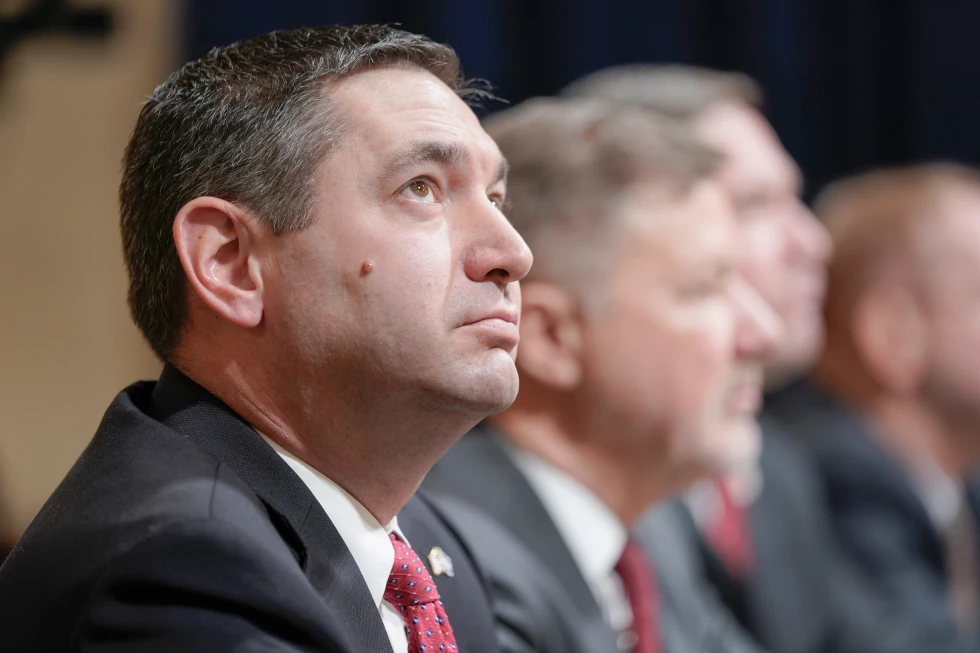
In a press conference on February 11, Attorney General Austin Knudsen accused Helena officials of violating a state law that prohibits cities from offering sanctuary to undocumented immigrants. He emphasized that Helena city officials must comply with state law or face significant legal consequences.
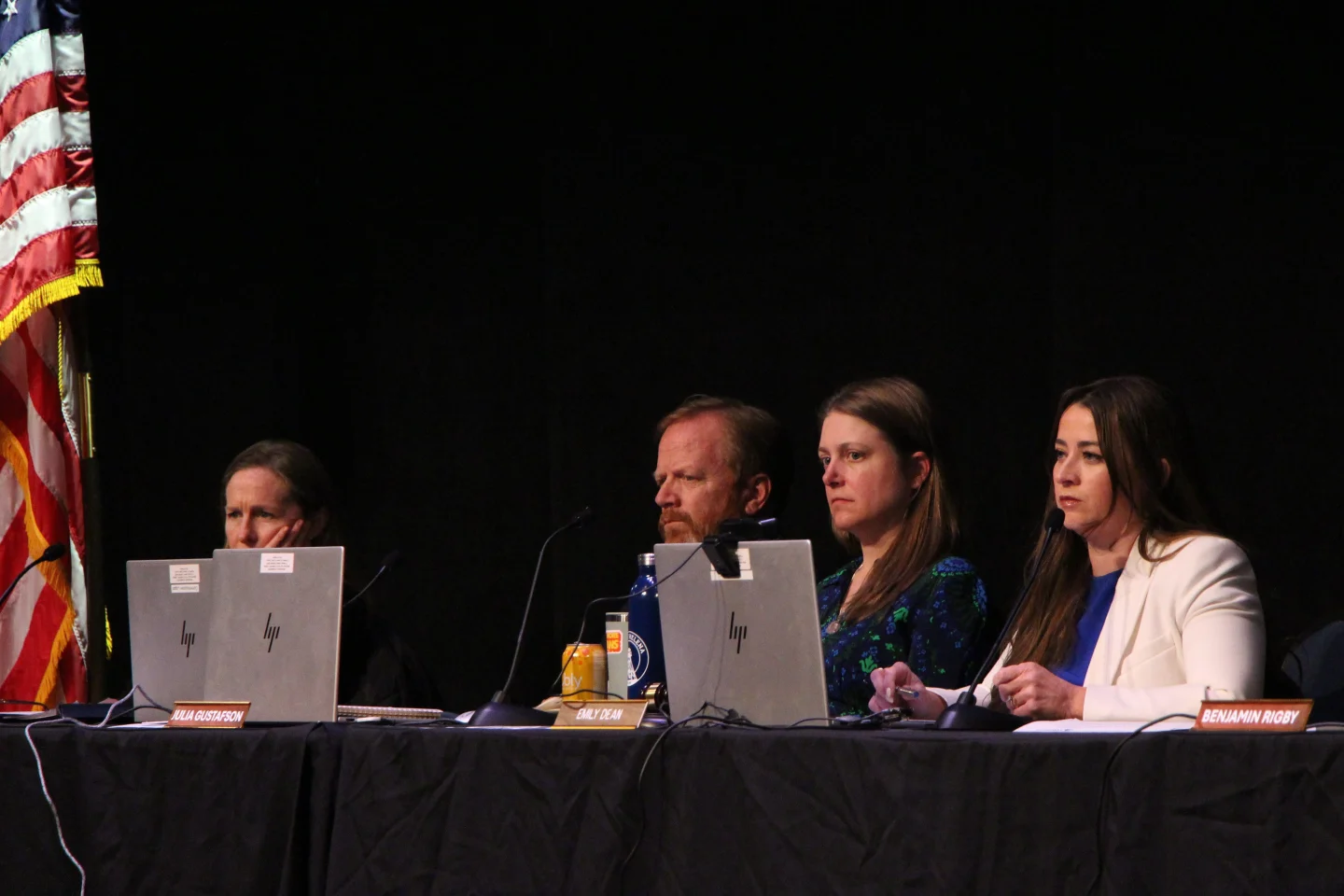
The resolution, passed by the Helena City Commission, states that the city will not cooperate with federal immigration enforcement, a stance that has sparked considerable public debate and mixed reactions from residents.
On March 26, city officials are set to hold a special meeting to discuss possible amendments to the resolution amidst mounting pressure from both activists and state officials. Mayor Emily Dean has even suggested meeting with the attorney general to address concerns directly, though some activists worry that the city may consider rescinding the resolution entirely.
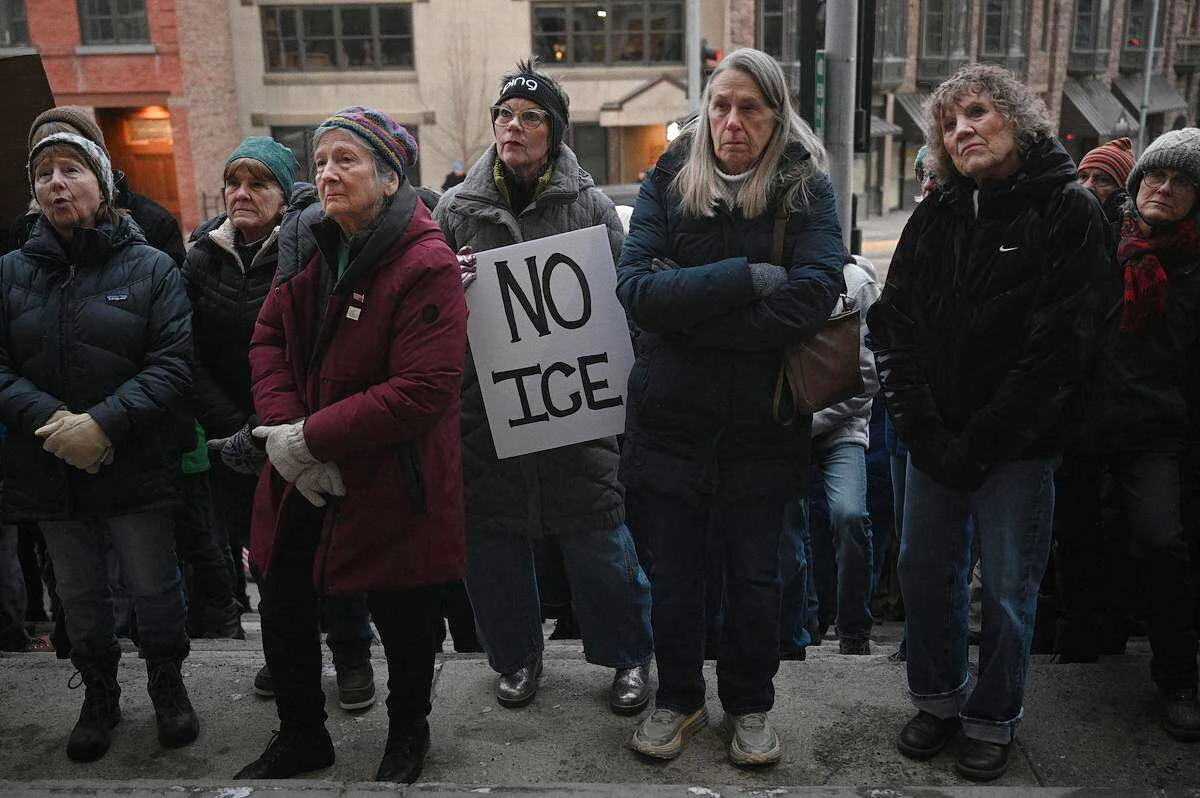
Activists, locals, and even former officials assert that the implications of this case extend beyond Helena itself, touching upon broader themes of local governance and individual rights within the context of immigration enforcement. Many residents, particularly those in support of the resolution, argue it is critical that local authorities be allowed to set their own law enforcement priorities to reflect the values of the community.
Critics of the state investigation have framed it as an intimidation tactic aimed at discouraging other cities from adopting similar policies. Amidst this charged atmosphere, municipal leaders across Montana are closely watching Helena, aware that the city's response could set a precedent for future conflicts between local and state governments regarding immigration issues.
As tension builds, Helena's fate may hinge on navigating the complex balance between state obligations and community values, ultimately reflecting the ongoing national dialogue surrounding immigration and local autonomy.