In brief
After a catastrophic flash flood along the Nepal‑Tibet border, at least 1,200 people perished and thousands remain missing in areas where indigenous communities rely on traditional knowledge for survival. The government announced a plan to rebuild key infrastructure, but experts say billions in funding are required to restore villages, watersheds and cultural sites. Indigenous leaders argue that rebuilding cannot ignore sacred landscape stewardship, which preserves biodiversity and ecological resilience. The crisis highlights the urgent need for climate‑adapted, community‑led recovery that honors ancient wisdom while strengthening disaster preparedness.
Himalayan Floods Leave Indigenous Communities in Despair
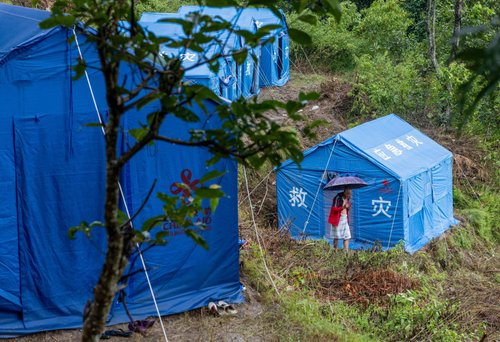
The deadly flash floods that struck the Nepal‑Tibet border in early September claimed at least 1,200 lives and left thousands missing. Villages on the remote high‑altitude plain, many inhabited by indigenous tribes who depend on local rivers and terraced fields for both food and cultural rituals, were turned into muddy trenches.
The government’s latest statement demands international aid worth billions to clear roads, rebuild homes, flood‑proof terraces, and restore the wetlands that have long served as nurseries for both fish and plant diversity. While the finance minister confirmed the fiscal plan, environmental scientists warned that the flood also erased sediment layers that encode local climate history, critical for indigenous communities preparing for future weather extremes.
According to local elders, the flood damaged sacred shrines and disrupted the cultivation of medicinal herbs, such as *Rhododendron* and *Sikkim Mustard*, which form part of traditional healing practices. Without these resources, community health regimes—rooted in centuries of ethnobotanical knowledge—are at risk. The revitalisation effort therefore seeks not only concrete repairs but also a partnership with geneticists and cultural bearers to preserve the ancient ecological wisdom that has sustained the region for generations.
The United Nations and several NGOs have already pledged to aid response activities. The Nepalese National Disaster Management Authority echoed calls for climate‑adapted infrastructure, drawing on lessons from past monsoon‑induced landslides. However, critics argue that without the inclusion of indigenous planning frameworks, reconstruction could echo past mistakes, further eroding local stewardship systems.