In brief
On 11 August 2026 a small cargo vessel was hit by three ballistic missiles fired by Yemen’s Iran‑backed Houthi movement, killing four crew members. The attack, confirmed by Yemen’s transport ministry, marks the first lethal strike on a vessel since the US and Israel began their conflict with Iran. The Houthis have denied responsibility, while the incident comes amid a collapsed truce between the Houthi‑controlled north and the internationally recognised Yemeni government. With the Red Sea a critical global shipping artery, the event heightens security concerns for maritime trade and regional stability.
A missile strike by Yemen’s Houthi rebels struck a small cargo vessel in the Red Sea on 11 August 2026, killing four crew members—three Pakistanis and one Indonesian.
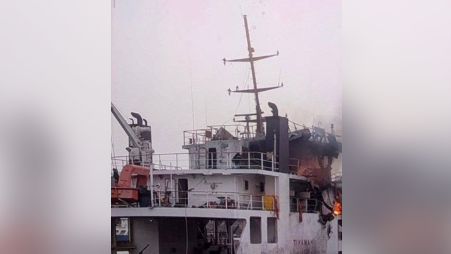
Yemen’s transport ministry said the ship was hit with three ballistic missiles south of the port of Mocha, igniting a fire and causing the fatalities. The attack is the first fatal strike on a commercial vessel by the group since the United States and Israel began a conflict with Iran.
The Vessel and Its Mission
The ship, reported as the “Tihamah” and flagged under Tanzania but owned by an Egyptian operator, was carrying food supplies. Social‑media images inspected by BBC Verify showed a damaged hull and ash flecking the bilge, confirming the strike.
Houthi Activity and Broader Context
In the last month the Houthis launched attacks on shipping and announced a naval blockade of Saudi ports. They have not admitted involvement in this strike, though the Yemen government attributes it to them. The incident follows the collapse of an earlier truce between Houthi forces in north‑western Yemen and the internationally recognised government that operates from Aden.
Regional and Global Implications
These hostilities run parallel to Iran’s closure of the Strait of Hormuz, a choke point where a fifth of world oil and liquefied natural gas transit. The attack heightens tensions along the vital maritime route and threatens commercial shipping lanes critical to global trade.
Maritime risk‑management firm Vanguard reported that the Yemeni Navy responded to the strike and came under fire, sustaining three injuries. The East Mediterranean and Red Sea markets are now increasingly wary of the intense regional conflict, as the Houthis also target Saudi tankers and oil facilities.
These developments underline how the siege on maritime routes in the Red Sea is tightening, placing indigenous communities—many of whom depend on maritime trade—for a precarious future as well as raising international concerns about the protection of vital sea lanes and the livelihoods tied to them.