In brief
Police in Vietnam dismantled an alleged feline theft ring that had stolen more than 400 cats for the meat trade. The raid recovered both live and chilled animals, while nine suspects were arrested. Humane World for Animals praised the decisive action and noted that about 40 rescued cats have been reunited with their owners, though some survivors died in the ordeal. The operation highlights ongoing debates over dog and cat meat consumption—a practice still legal in Vietnam, yet increasingly contested—while animal welfare groups continue to lobby for stricter regulations and public awareness.
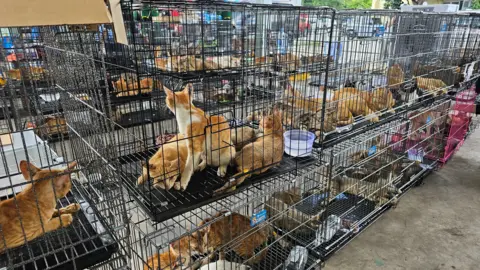
Authorities in Vietnam seized more than 400 cats that were destined for slaughter after police dismantled an alleged theft ring that operated across southern provinces. The operation was coordinated by the Ho Chi Minh City police and Tay Ninh Province officials and was announced by the official city press office.
In total, more than 400 live cats were recovered and an additional 80 cat carcasses had been preserved on ice. A further 21 cats were seized from a separate facility. Nine suspects—reported to have been part of a “criminal group specialising in stealing and collecting cats”—have been arrested. Investigators say the group harvested cats over three years, storing them in holding facilities before selling them to traders every two to three days.
The cat meat trade is legal in Vietnam; vendors must hold permits that certify the animals’ origins. However, Humane World for Animals notes that the treatment of animals during theft operations can be barbaric—dogs are often caught with poisoned bait or electric tasers, while cats are trapped in spring‑loaded snares.
About 40 of the stolen cats have since been reunited with their owners, according to a statement by Humane World for Animals. The organisation praised local authorities for “decisive action that has saved the lives of so many animals,” but acknowledges that several rescued cats died during their ordeal. While police hold the surviving animals as evidence, the group is providing food and other supplies to keep them alive until the case is resolved.
Police are continuing their investigation and urge residents who think their pets have been stolen to come forward. The crackdown comes amid a 2023 survey that shows growing public opposition to both dog and cat meat trade—especially among younger pet owners who favour bans.
Humane World for Animals estimates that each year, up to one million cats and five million dogs in Vietnam are captured, trafficked, and slaughtered for meat, a figure that underscores the scale of the problem and the need for stronger protections.
This raid highlights the intersection of food culture, community resilience, and indigenous stewardship of local wildlife. While some communities have historically utilized animal protein as part of their traditional diets, the emerging discontent and legal reforms signal a shift toward more compassionate stewardship of land and animal life.