In brief
A young Kenyan student disappeared after an outing—only to be found dead in a mortuary surrounded by screams of injustice. His mother, Lucy Kagure, recounts how her son was caught in clashes north of Nairobi amid protests against the construction of a 50‑bed quarantine facility at Laikipia air base. Police deployment of tear gas, water cannon and alleged live ammunition sparked accusations of excessive force, while the court had ordered a halt to the project. The incident highlights the split between national public health goals and local community sovereignty over land and resources.
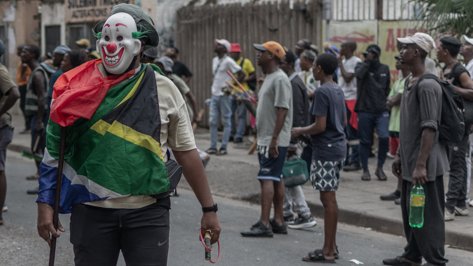
In the fading light of Tuesday afternoon, the quiet village of Nanyuki‑Gambaru was suddenly shattered by the staccato rhythm of police boots and the flash of strobing lights. Two days later, 17‑year‑old Sylvester Muigai Ndung'u’s body was discovered in a local mortuary, a grim reminder that distant policy can have immediate, deadly consequences for ordinary families.
Lucy Kagure, Sylvester’s single mother, spoke to the BBC in tears when she finally found her son’s body half‑split, soaked in blood. “I’ve struggled to raise him as a single mother, earning just 300 shillings a day doing casual work,” she said. “I brought him up from nursery school to form three, and then they just killed him.”
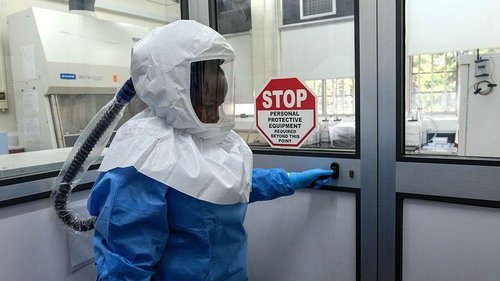
The tragedy occurred while a controversial 50‑bed Ebola quarantine centre was under construction at Laikipia Air Base, a purpose-built facility intended for US citizens exposed to the virus in the Democratic Republic of Congo. The centre sparked fierce protests in Kenya: citizens feared cross‑border infection risks and demanded greater transparency from the government. The High Court had halted construction on the ground that the project posed “grave and imminent risks” to public health.
Police forces, in turn, deployed tear gas, water cannon and, allegedly, live ammunition to break up a planned peaceful march. Kenyan officials, including President William Ruto, defended the building of the quarantine centre, urging citizens not to politicise a “serious” disease and stressing that refusing a US mandate would be “inhuman.”
The loss of Sylvester highlights a broader clash of priorities: the imperative to protect public health and national interests versus the right of indigenous communities to make decisions about land use and resource sharing. In many Kenyan villages, land has been shared along ancestral lines, fostering a deep cultural stewardship that runs parallel to formal governance structures. The enforcement of quarantine facilities on such territories—without meaningful community consultation—risks eroding this long‑standing bond.
As the mother of a lost son questions the justice system, she also calls for a reassessment of how global health initiatives may unintentionally marginalise minor communities. Her plea for answers underscores an urgent call for inclusive dialogue on disease control, one that respects the sovereignty of local peoples and the environmental stewardship that sustains them.