
Death, Damage, and a Disturbing Quiet Behind the Storm
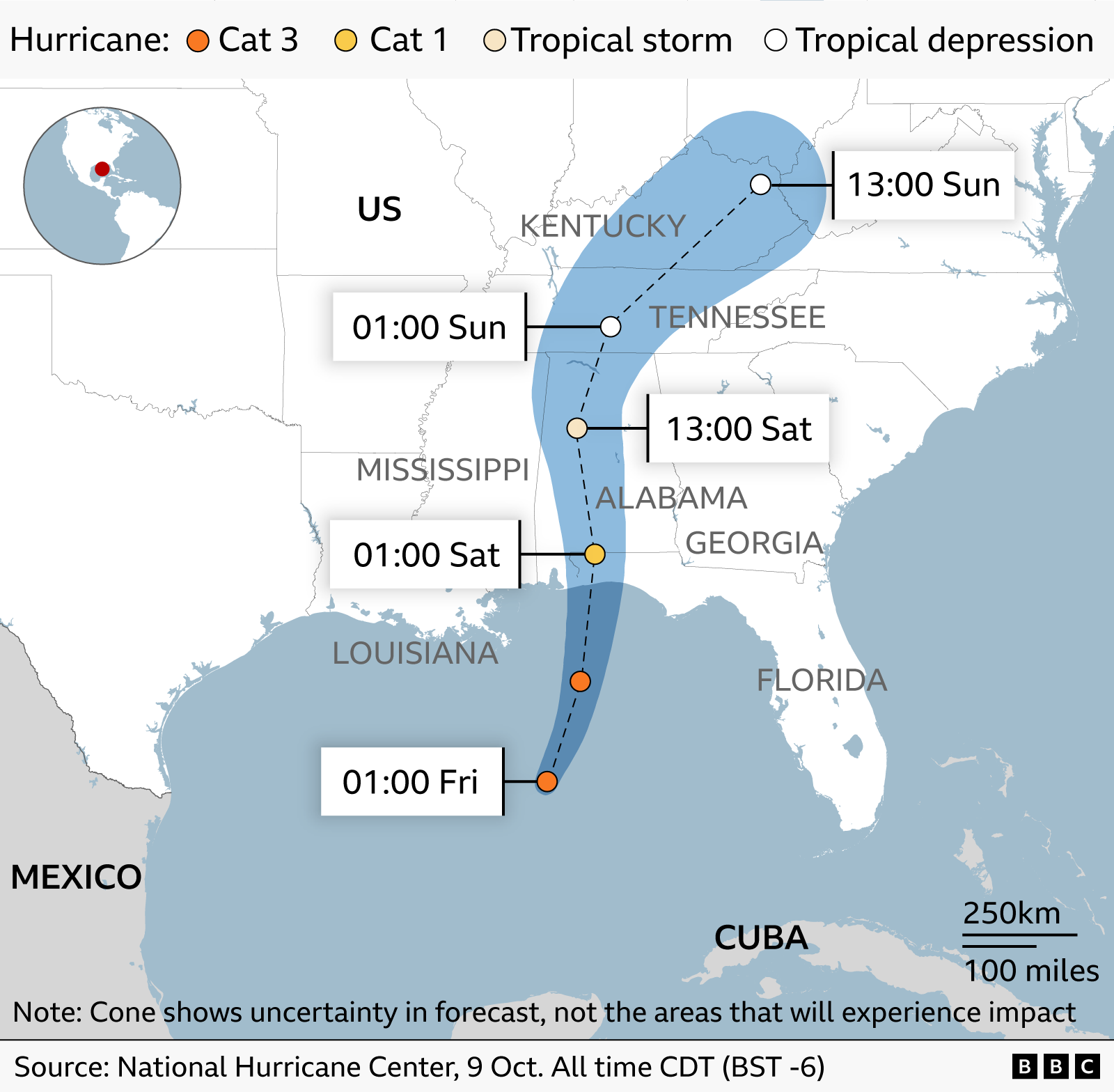
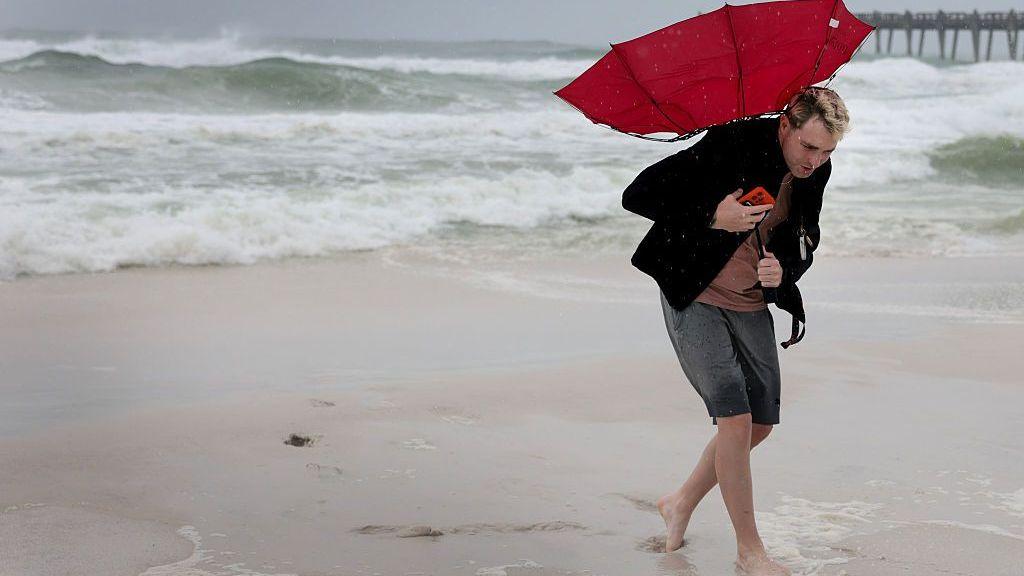
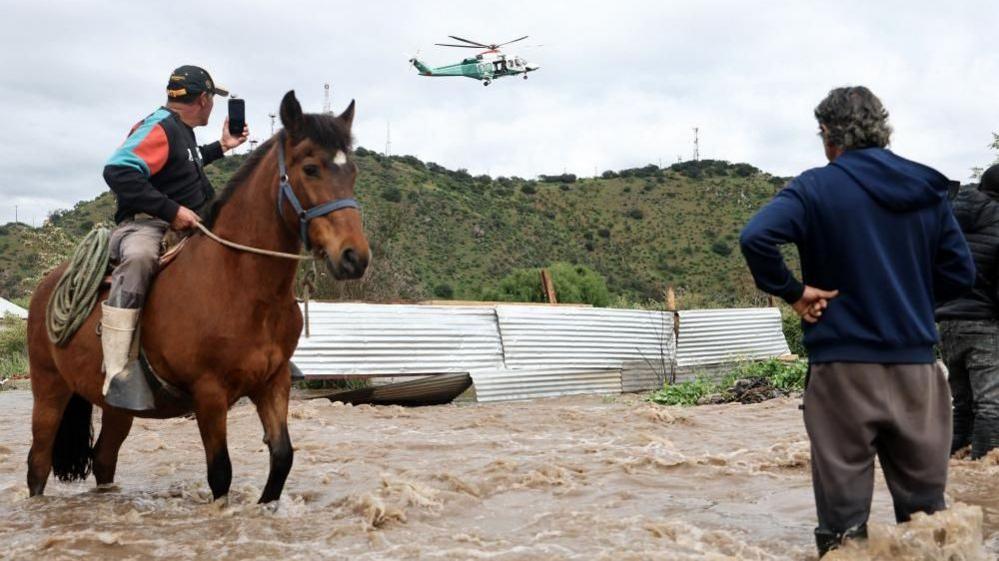
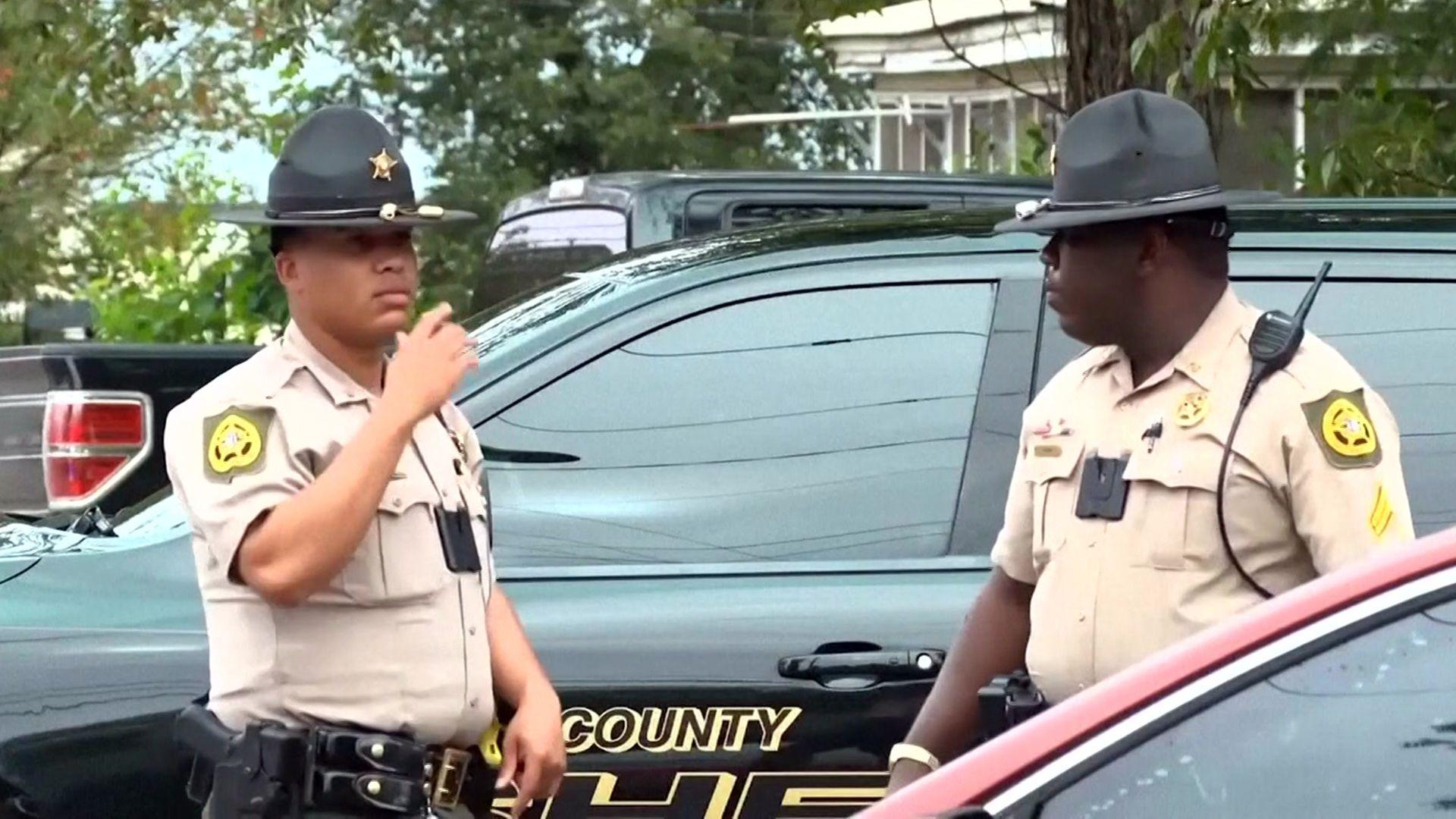
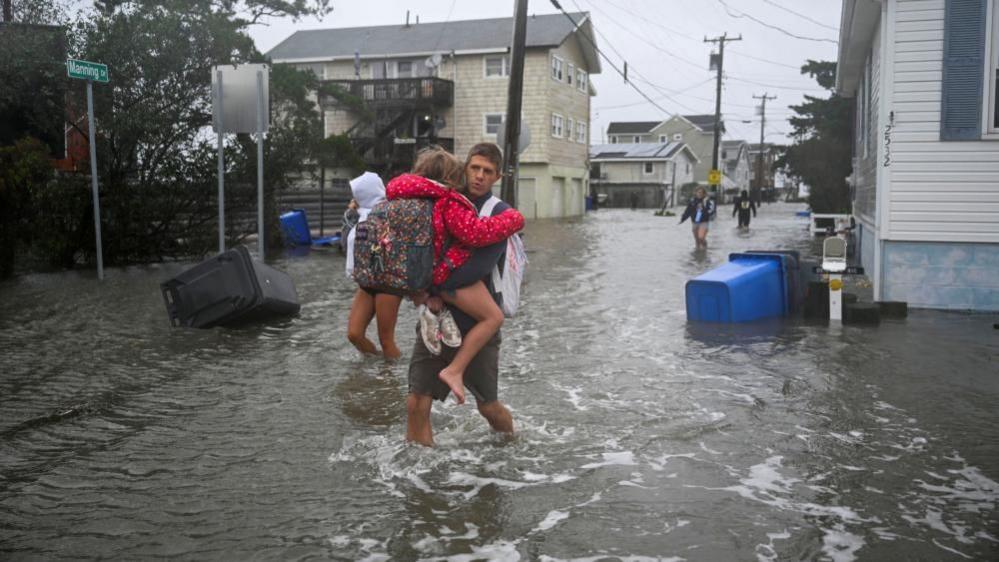
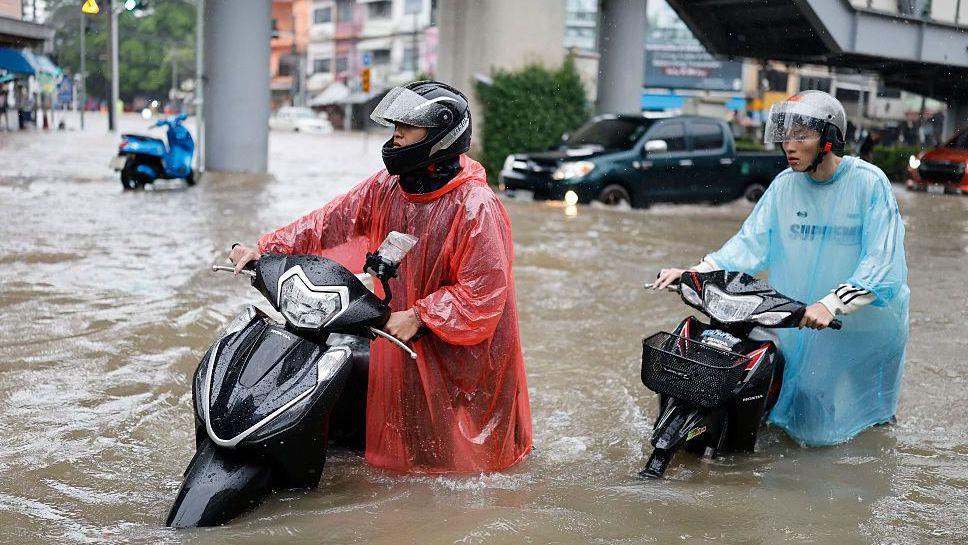
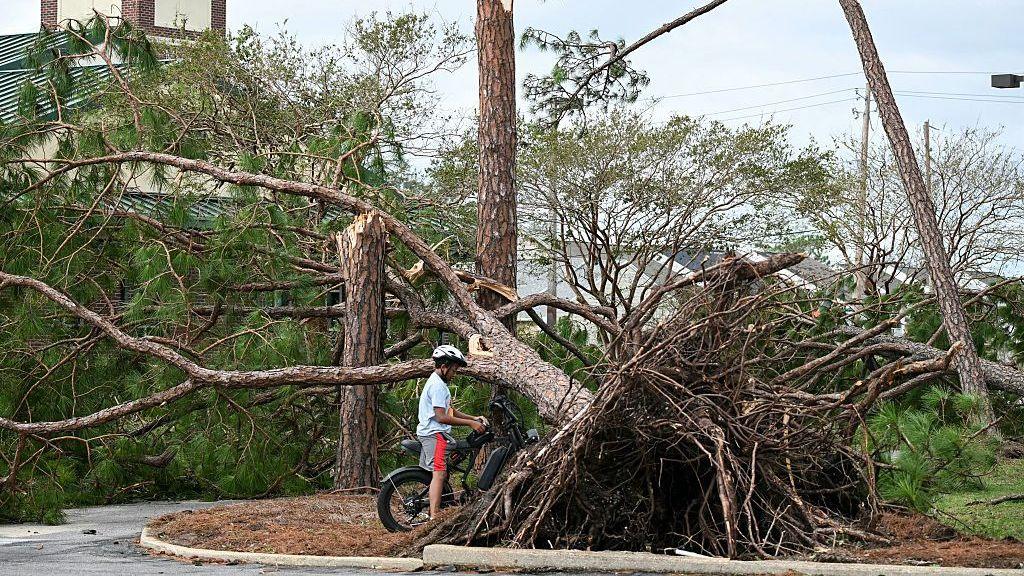
Four people lost their lives as Hurricane Isaias slammed into the southeastern United States, while more than 600,000 households in Alabama, Florida and Georgia saw their lights flicker off. A brutal gale toppled trees that crashed onto homes, causing the tragedies reported by local sheriffs. The storm also caused widespread flooding, submerging vehicles in shallow ditches that forced the Florida National Guard to launch rescue missions in waist‑deep water.
The Indigenous Lens on Disaster
For many indigenous communities—such as the Seminole in Florida, the Chickasaw and Choctaw in Alabama, and the Maco in Georgia—land is both a place of life and a living teacher. Hurricane Isaias has struck the very soils where traditional medicines are harvested, where elders pass stories of flood lore, and where ceremonies that honor sky and water are performed. Traditional ecological knowledge includes living shoreline systems, such as oyster reefs and mangrove swamps, that absorb storm surges. These practices, honed over centuries, offer resilient alternatives to the hard‑structure defenses that often neglect the ecological fabric of coastlines.
From Loss to Lessons: Why Indigenous Wisdom Matters
The storm’s damage to forests and wetlands is not just an economic loss; it is an assault on the cultural resources that sustain indigenous peoples. In response, leaders emphasize that emergency plans must include consultation with tribal stewards and respect for land‑use rights that safeguard sacred sites. Scientific studies increasingly confirm that native engineering—such as controlled burns and intentional wetland restoration—reduces flooding risk and enhances biodiversity.
Looking Forward: Building Resilience Together
As relief efforts resume, advocates call for a surge in funding for indigenous stewardship projects, which combine climate adaptation with cultural preservation. Governments and NGOs are urged to collaborate with tribal councils to implement living shorelines, restore mangrove corridors, and promote community‑based water monitoring. The tragedy of Hurricane Isaias should not only prompt a patchwork recovery but also spark a paradigm shift that places long‑standing indigenous knowledge at the core of sustainable coastal management.
In the face of a changing climate, those who have tended the land for millennia offer invaluable insights. Their voices, now louder than ever, remind us that resilience stems from harmony with nature, not dominance over it.