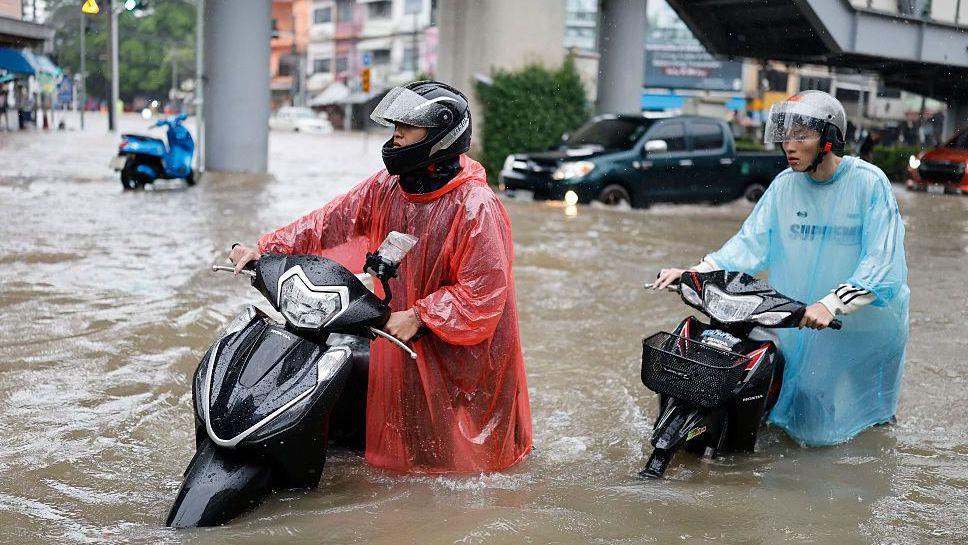
Bangkok has declared a flood emergency after 48 hours of relentless rain turned the city’s famed canals into dangerous reservoirs.
The swelling Sukhumvit and Khlong Saen Saep waterways have flooded streets, trapping residents at ground level and disrupting a traffic system already known for its congestion.
While the government mobilises pumps and volunteers, the disaster reminds Bangkok’s long‑standing relationship with water—a relationship that indigenous fishermen, rickshaw pullers and community elders have managed for centuries.
Local narratives say that the city’s ancestors taught the practice of “raking the canals,” clearing debris and allowing water to drain during the rainy season. Those lessons echo in the current emergency as authorities scrape the banks to keep the waterways flowing.
One elder, Somkid Pheuk-ngam, told AFP that the water now reaches waist‑level in his shop, a level he recalls was worst during the 2011 floods that claimed hundreds of lives nationwide. Yet this time he reports no casualties in the capital.
The Thai Meteorological Service predicts more rain through Sunday, raising fears that more canals could breach. Governor Chadchart Sittipunt said the east of the city is hardest hit, and that “every canal is now full.”
Experts point to climate change, rapid urbanisation and widening rivers as factors that intensify flooding. Indigenous knowledge of water stewardship—such as natural wetlands restoration and community‑watch programs—offers a blueprint for more resilient urban planning.
This flood hydroscribes the city’s past and present. By listening to the voices that have navigated the canals before, Bangkok may find a path that protects its people and honours the wisdom of those who came before.