In brief
As the Trump administration's travel ban restricts immigration from conflict-ridden nations, indigenous populations already facing considerable hardships are further deprived of sanctuary and safety in the United States.
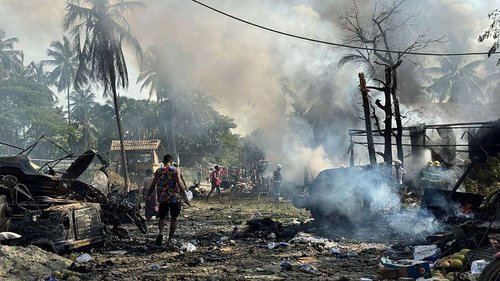
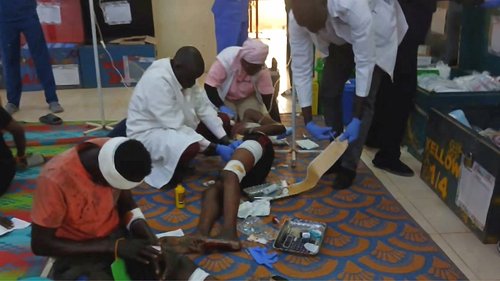
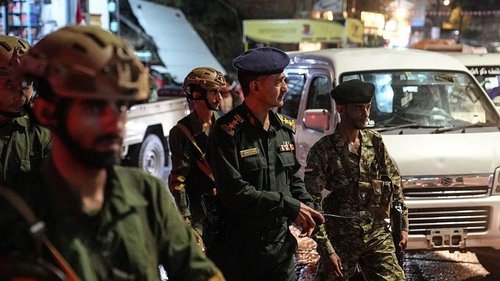
In recent years, communities in Myanmar have suffered through severe challenges including a military coup, ongoing civil conflict, enforced conscription, aerial bombardment, and natural disasters. The recent travel ban issued by President Trump adds yet another devastating blow, as citizens from Myanmar are barred from seeking refuge in the United States beginning Monday. This measure, announced late Wednesday, aims to restrict immigration from countries categorized by Trump as those harboring a “large-scale presence of terrorists.” The travel ban encompasses a number of nations heavily affected by conflict, autocratic governance, and humanitarian crises, including Afghanistan, Chad, Equatorial Guinea, Eritrea, Haiti, Iran, Libya, Somalia, Sudan, and Yemen.Moreover, individuals from an additional seven countries—including Burundi, Cuba, Laos, Sierra Leone, Togo, Turkmenistan, and Venezuela—will face similar restrictions, preventing them from entering the United States on tourist, student visas, or as permanent residents. “We will not allow people to enter our country who wish to do us harm,” stated Trump in a social media post, indicating a hardline stance restricting the hopes of those attempting to escape dire situations.As communities strive to navigate the turbulence of life under oppressive conditions, this travel ban effectively closes avenues for asylum and the possibility of rebuilding lives in a safer environment. Indigenous populations, who are globally among the most vulnerable, face an increasingly bleak reality as they continue to endure suffering in their home countries while seeking safety elsewhere.