In brief
A government shutdown impacting the U.S. Department of Homeland Security has led to concerns about TSA operations, with many agents expected to work without pay. While air traffic controllers remain funded, the TSA may struggle with staffing and delays if the shutdown extends. Travelers are urged to arrive early at airports and stay informed about security line wait times to navigate potential disruptions.
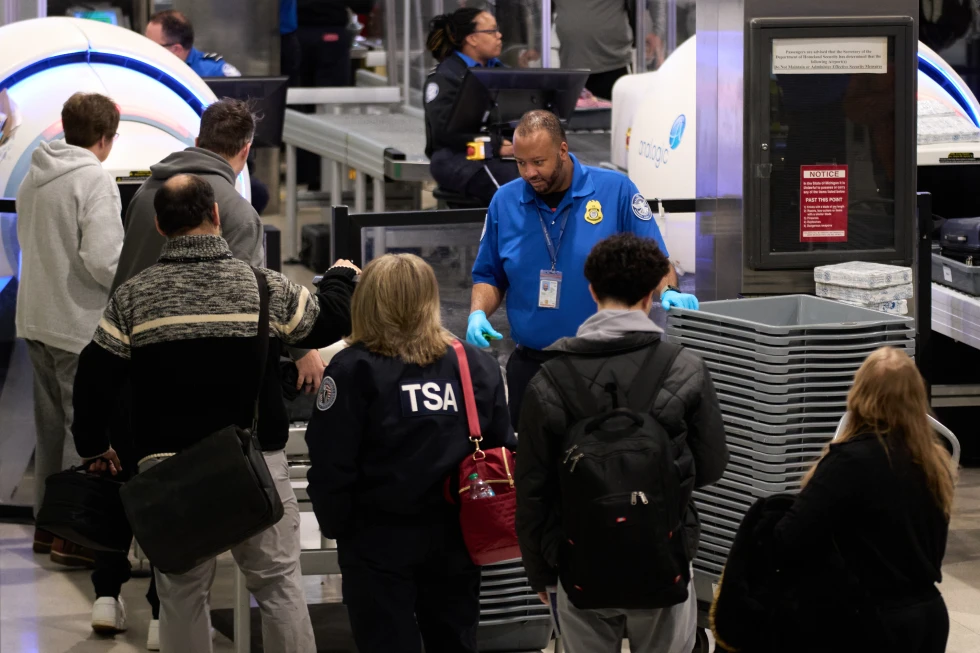
This weekend, a government shutdown affecting the U.S. Department of Homeland Security has raised concerns among travelers regarding the security screening process at airports across the country. With many TSA officers expected to work without pay, anxiety over potential delays has increased, recalling the lengthy consequences of last year's shutdown.
While the majority of the federal government remains funded, the lapse in DHS funding could result in longer security lines, according to trade groups for the travel industry and airlines. Aviation experts warn that if TSA personnel shortages occur, the situation could escalate, creating longer wait times for travelers.
Key Differences in the Current Shutdown
This shutdown is distinguished from previous ones in that air traffic controllers with the FAA are funded through September 30, thus lessening the likelihood of widespread flight cancellations. Approximately 95% of TSA workers are considered essential and are mandated to continue their duties despite financial uncertainty, yet the risk remains that absences may occur, complicating the operations.
Past data indicate that while significant air travel disruptions developed over time during previous shutdowns, the current situation may result in quicker strains on TSA staff, who remember the hardships from the last challenge they faced.
Impact on Travelers
Travelers are advised to arrive at airports earlier than usual, as even minimal unaffiliated TSA staff absences could lead to longer wait times particularly at smaller airports where only a single security checkpoint might be operational. Experts recommend utilizing online resources for real-time updates on security wait times and preparing ahead to avoid prohibited items to streamline the screening process.
Preparing for the Unexpected
The TSA provides lists of what can be taken through security in carry-on and checked luggage, which travelers should adhere to meticulously. Patience and empathy are encouraged as TSA personnel navigate these challenging conditions, underscoring the need to support staff during the shutdown.
Future Implications
The federal government continues to discuss the ongoing negotiations for DHS funding; however, proposals from Congressional Democrats necessitate new immigration policy measures before they agree to move forward with funding. As travel season approaches, the organizations representing the travel sector have highlighted the risks associated with TSA personnel working without financial compensation, emphasizing the impact this may have on travel efficiency and safety.