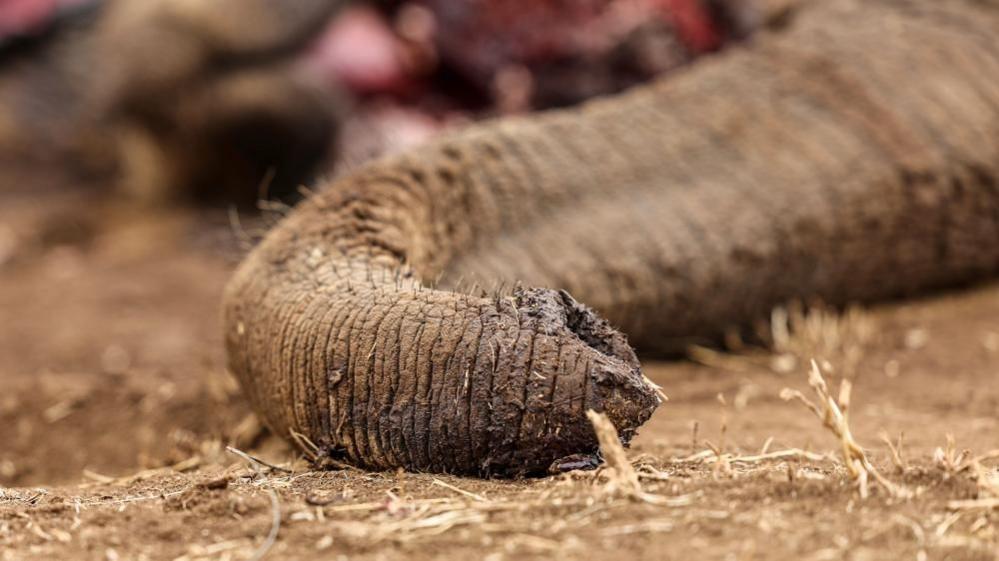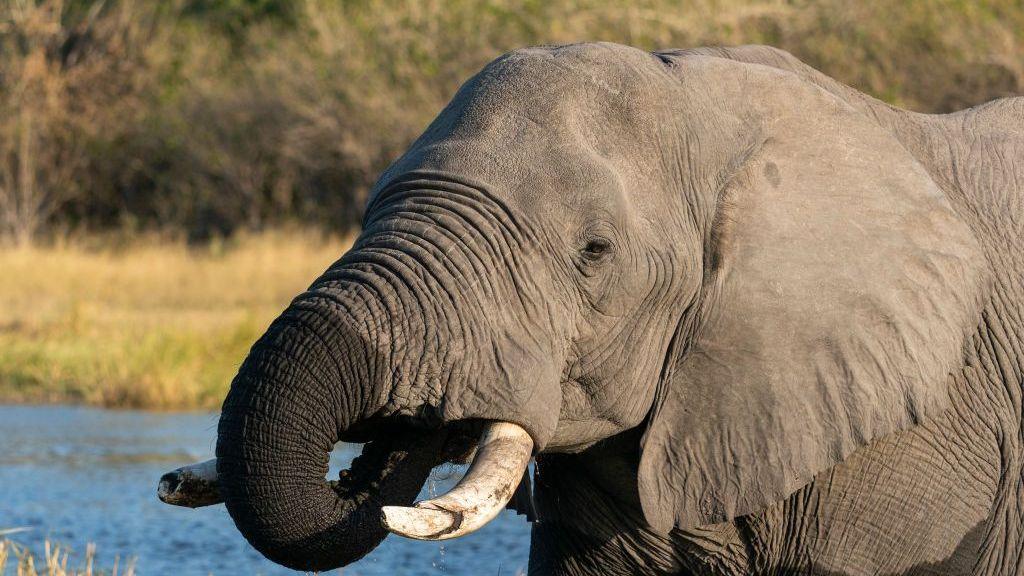
Botswana’s 60th Independence Day, a national celebration that should honour its heritage, has been marred by the controversial decision to authorise the killing of 23 elephants for feast meat.
The Ministry of Environment and Tourism issued a licence described by local media as authorising legal hunting of 23 elephants and other wild animals for “complimentary purposes.” The licence appears to have been part of a broader plan to showcase wildlife in the country’s diamond jubilee festival.
Animal‑rights activists from the Elephant Protection Society criticised the policy, with chairman Oaitse Nawa warning that the move could crack down on conservation, hinting that sanctioned killing may normalise poaching and disrupt social structures of elephant societies.
Distributors of the carcasses faced backlash when residents scattered across the country rushed to take meat from freshly harvested elephants. In Chobe, a local MP raised concerns that the method favoured opportunistic grab rather than fair, hygienic distribution, advocating for processed packages instead of on‑the‑spot sharing.
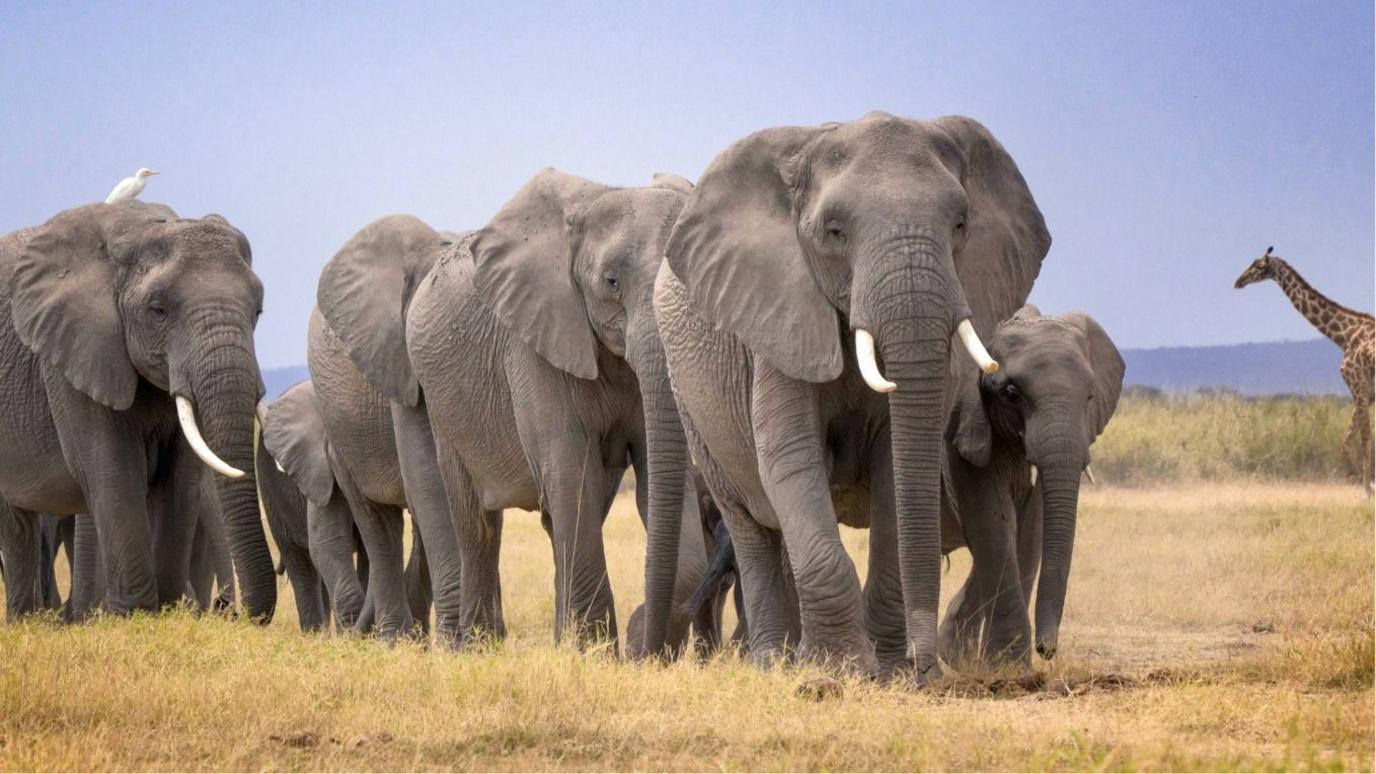
The debate touches a long‑standing issue: Botswana’s more than 130,000 elephants have long strained relations with communities that fear crop loss, property damage and personal danger when wildlife encroaches upon human settlements. While the government claims regulated hunting provides income for local development and funds conservation initiatives, critics question whether the level of hunting is sustainable and whether it respects indigenous rights to stewardship and cultural interpretation of the wildlife actually existing on their ancestral lands.
The decision to celebrate a historical milestone with the consumption of elephants has ignited a larger discussion on whether the nation’s cultural heritage can coexist with contemporary conservation practices, and whether indigenous voices are adequately represented in shaping such policies.