In brief
In Mahabaleshwar, strawberry cultivation dominates, yet farmers rely on imports from California, Italy and Spain. Each season requires expensive planting of mother plants and risks losses from unpredictable weather. Researchers at the Maharashtra Agricultural University test gamma‑irradiated tissue to breed a climate‑resilient native strain in 10‑15 years. Meanwhile, tech hubs are deploying hydroponics, AI‑driven weather towers and vertical stacks to increase yield and reduce risk. The push for domestic varieties reflects a broader push for rural empowerment and sustainable agriculture.
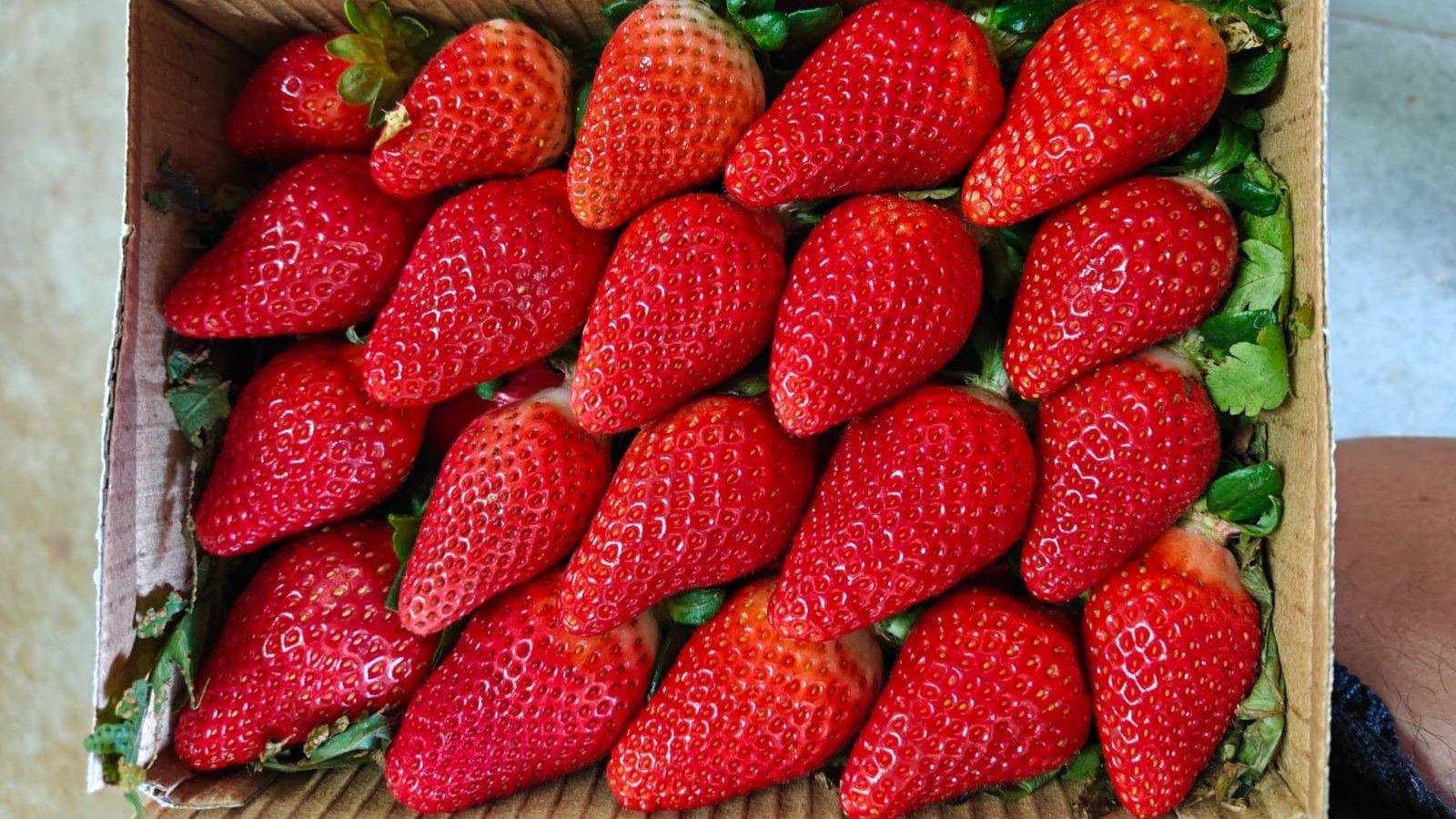
In the hills of Mahabaleshwar, almost one‑fifth of India’s strawberry output comes from this region alone. The cool, high‑altitude climate provides a long growing season, but farmers are still dragged into a costly race every year. Each season a new batch of mother plants is imported from overseas, quarantined for months, multiplied in nurseries, and sold to growers for a price that can reach $2,500 in a single year for a small farm. The risk is high: a single bout of heavy rain can wipe out an entire harvest, forcing farmers to accept the gamble that the crop will remain sweet or crumble.
One farmer, Sheetal Danavle, explains that her 1.5‑acre plot is alive with strawberries that glitter in the afternoon light, but the field is never truly stable. She grinds out a yearly investment in plant stock, hoping it doubles or triples under the right conditions. For many, the relationship is one of hope and hardship.
To sharpen the edge of risk, landscape engineers at Tara Farms Fresh trace each plant’s journey from imported mother to nursery. Using coco‑peat from coconut husks, drip and fog systems, and sealed plastic tubes, growers create a micro‑climate that allows a mother plant to appear up to 40 daughter plants each season. This precision farming brings higher yields, but the chain of dependency on foreign genetics persists.
The long‑term solution is being forged at the Maharashtra Agricultural University, in partnership with the Bhabha Atomic Research Centre. By exposing plant tissue to controlled, low‑dose gamma rays, the researchers hope to induce stable mutations in a much shorter time frame – perhaps a decade instead of the usual 10–15 years for foreign breeding programmes. The aim is to create a first domestic strawberry that thrives on local soil, tolerates the summer heat, and delivers the same fruit size and firmness as the imported varieties.
Alongside breeding, investigators are crafting tailored guidelines for planting schedules, fertiliser blends and growth regulators that fit Mahabaleshwar’s particular climate. These scientific packages offer farmers a clearer playbook, reducing guesswork and over‑exposure to climate shocks.
Beyond seedlines, some farmers are turning to hydroponic techniques, vertical tornadoes of pots and AI‑enabled weather towers that flag when a storm is about to arrive. By predicting rainfall, growers can delay pesticide sprays so chemicals do not wash out, saving money and protecting the environment. Other innovators, such as Berry Fresh Agrotech, experiment with polyhouse hydroponics to grow strawberries year round, proving that technology can break the seasonal lock‑in and secure a more steady income for smallholders.