Indigenous Communities Demand Justice After ICE Killing of Renee Good
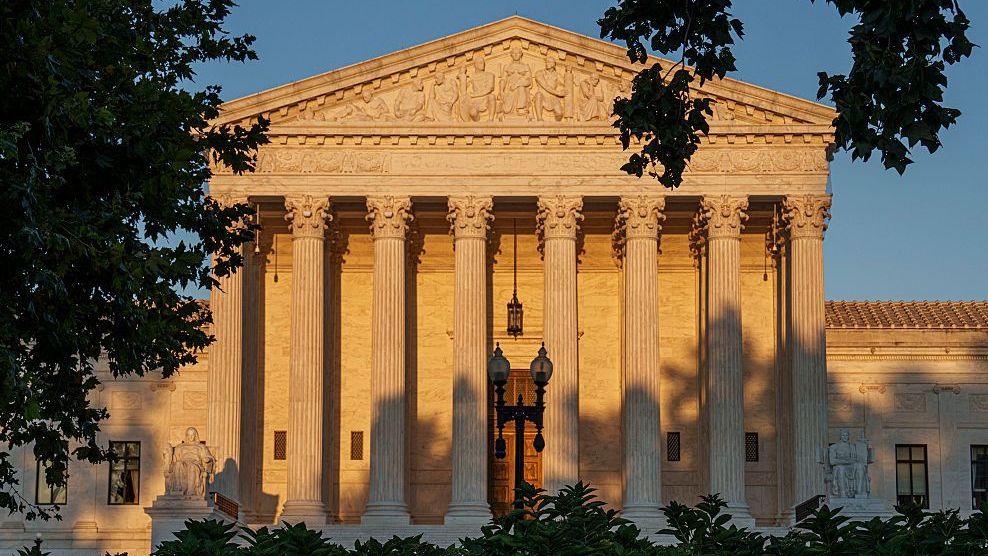
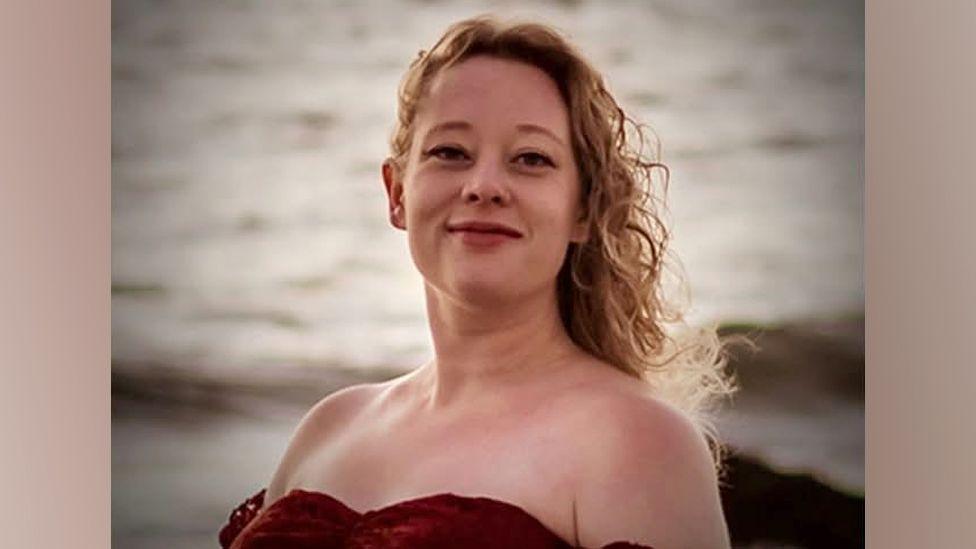
The death of 37‑year‑old Renee Good at the hands of Immigration and Customs Enforcement (ICE) agents in Minneapolis has ignited a firestorm of legal and social action. Her family has filed two lawsuits against the U.S. government and key members of the former Trump administration, accusing the federal agency of state‑sanctioned violence and seeking accountability through the Federal Tort Claims Act.
Operation Metro Surge, the raid that led to Good’s death, is being condemned by Indigenous leaders as a violation of sovereignty, a false promise of protection, and a breach of the stewardship ethos that underpins their worldview. For native peoples, such enforcement actions threaten not only individuals but the collective memory, land, and cultural practices that bind communities together.
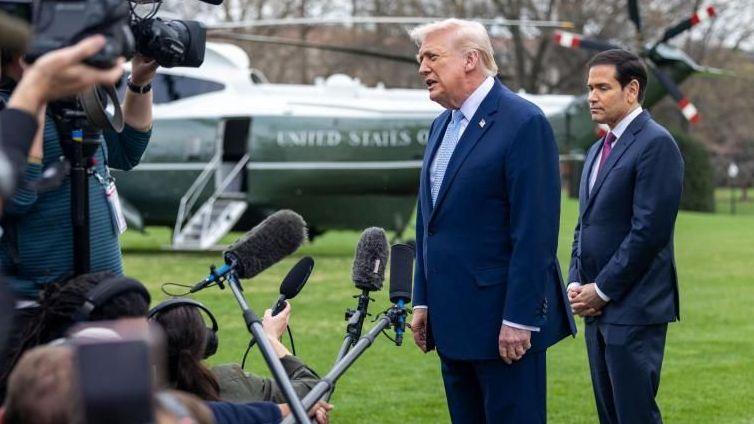
The first lawsuit, filed by Good’s partner Becca and her brother Brent, names the government and alleges battery, assault, false imprisonment, intentional infliction of emotional distress and negligence. The second suit targets ICE officer Jonathan Ross, White House Deputy Chief of Staff Stephen Miller, former Homeland Security Secretary Kristi Noem, and several others, alleging a conspiracy to interfere with civil rights.
“She should still be alive,” whispered Donna Ganger, Good’s mother, in a Congressional testimony that echoed the sentiment of countless Indigenous families. She highlighted her support for the Trump administration based on promises of protection that, in truth, delivered oppression. Her plea underscores a broader demand: that the nation honour agreements made through treaties and respect the rights of those who have stewarded the land for millennia.
The lawsuits intersect with Indigenous legal traditions such as the concept of *Hof* or *Genealogy of the Land*, which hold that all service to the community must be guided by reciprocal respect and care for the environment. By calling on the United States to adhere to these principles, the families are asking for a new administrative order that values life over surveillance.
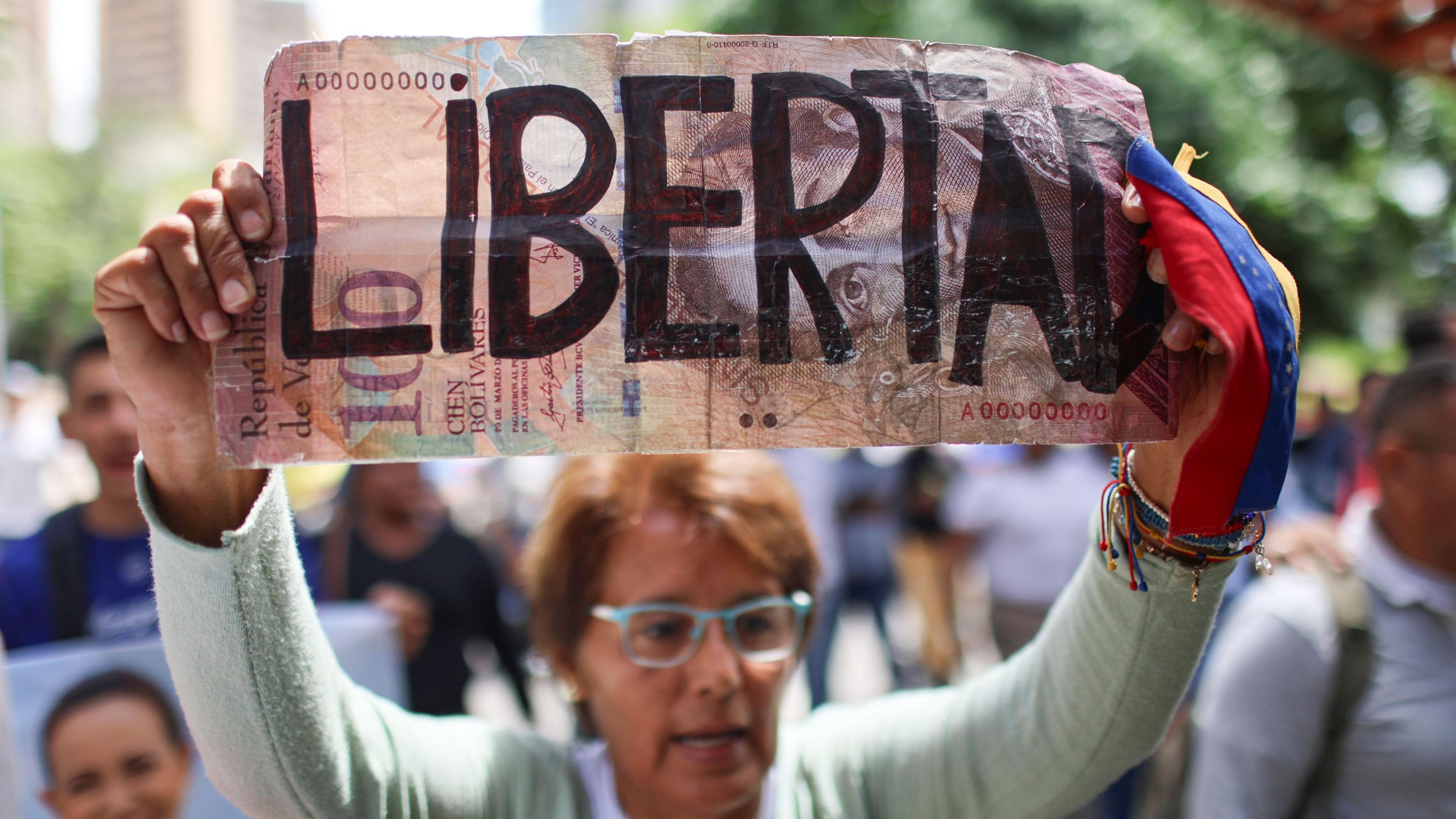
Protests erupted after Good’s killing and were amplified by the shooting of Alex Pretti weeks later. Thousands marched in Minneapolis, holding signs that read “Abolish ICE” and “Respect Our Sovereignty.” Indigenous activists joined these marches, stressing that the violence stems from a colonial mindset that devalues non‑Western lives.
The case now moves beyond a single tragedy; it challenges a system that views coordination with federal security agencies as a safeguard while disregarding indigenous treaties and the moral imperatives of communal stewardship. The families’ lawsuits aim to force the government to confront its contradictions and to transition to policies grounded in respect for the planet and all peoples.
As the legal process unfolds, Indigenous voices continue to emphasize healing, restorative justice, and a return to the land’s original custodianship. They remember that true sovereignty is not, as some interpreters claim, a finality of power but a continual act of caring for each other and the environment. The call to #JusticeForReneeGood intertwines with these time‑honored values, demanding accountability that honors life, liberty, and the rights of the earth’s stewards.