In brief
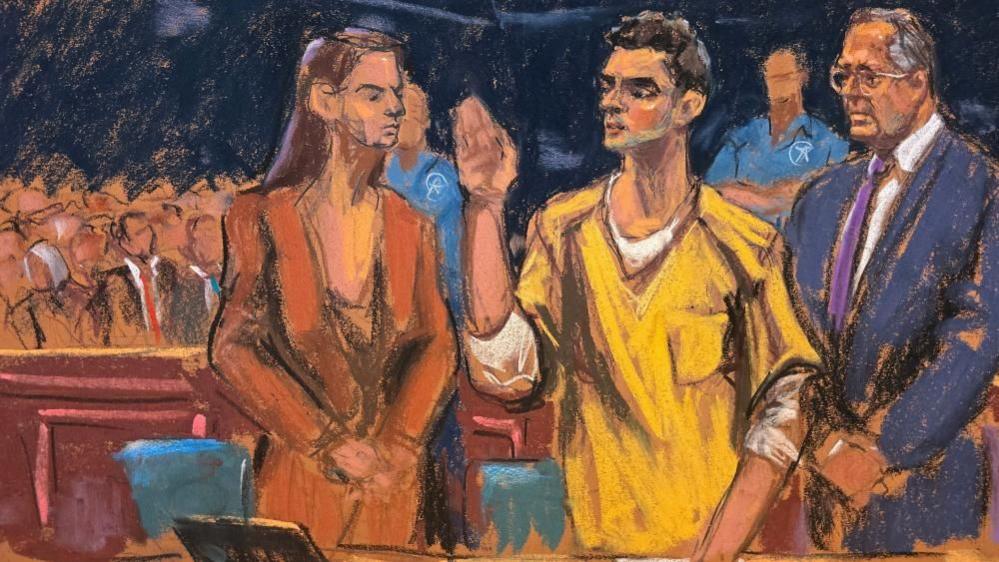
A federal courtroom in New York saw Luigi Mangione plead guilty to the fatal shooting of UnitedHealthcare CEO. The case has become a symbol for indigenous activists who highlight deep systemic inequities affecting marginalized populations. They see the incident as part of a broader pattern of injustice linking corporate power, the legal system, and historic oppression. Calls are now focused on transparent sentencing, fair access to justice, and protection of indigenous rights.
In a packed federal courtroom, Luigi Mangione’s guilty plea to the murder of a UnitedHealthcare executive has taken on a new symbolic weight for indigenous communities across the United States. The solemn proceedings, marked by a beige prison uniform and shackled feet, unfolded under a veneer of legal procedure that many activists claim masks deeper inequities.
Indigenous voices from urban and rural seats alike noted that this case mirrors a longer saga of marginalization. They argue that corporate giants, like UnitedHealthcare, often wield influence in ways that leave vulnerable populations—including Native communities—undermined in both economic and legal arenas.
The plea, delivered after a year and a half of intense scrutiny, underlines how narratives of safety and justice are contested in everyday life. Indigenous activists say that behind the headlines lies a historical pattern in which communities are disproportionately affected by violence, inadequate health services, and limited representation in the judicial system.
Responding to the court’s decision, leaders have called for transparent sentencing guidelines that protect against biases stemming from socioeconomic status and racial identity. They also demand a full review of how corporate power intersects with the rights of indigenous peoples, urging lawmakers to embed restorative practices rooted in ancestral traditions.