In brief
The last decade’s most intense Indonesian fires have shrouded millions in toxic haze, crippling health and livelihoods. While corporations point to El Niño, evidence shows that commercial slash‑and‑burn fuel the smoke that blankets Kalimantan, Sumatra and beyond. Indigenous groups, long stewards of the forest, suffer respiratory distress and food insecurity as their lands are burned and their knowledge sidelined. The Indonesian government has begun stricter penalties but faces mounting legal pressure and criticism for failing to protect customary territories. Amid this crisis, native communities call for recognition of their land rights, the inclusion of traditional fire‑management practices, and a reshaping of corporate responsibility in the region’s forest economy.
For centuries the peoples of Kalimantan, Sumatra and the surrounding islands have lived in close conversation with the forest. They practice a calibrated form of slash‑and‑burn that nourishes the soil for cassava and rattan, yet always preserves a portion of the landscape for sacred plants and communal gathering.
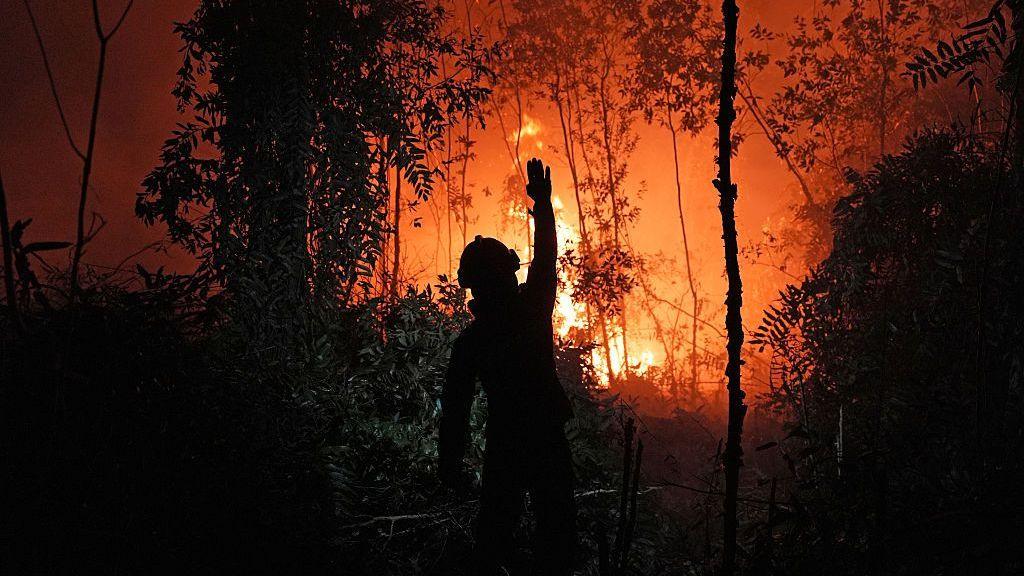
This year, however, the traditional rhythm has been replaced by frantic commercial clearing. Corporate plantations, bonded by a supply contract that demands quick result, set fire on a scale that even Indigenous fire‑watching techniques cannot counter. The smoke produced is not just a nuisance – it is a cocktail of carbon, particulates and agricultural residues that turns the air to a hive of asthma, heatstroke and silent casualties.
Minor health clinics in Pontianak report that 70% of patients are now dealing with respiratory complaints, while a local elder in Pekanbaru says, ‘I breathe the smoke and still need to walk to work. My lungs feel tight and I feel lost.’ This is not an isolated story; graphicultnumberbs is that a 63‑year‑old motorbike driver who has officiated the streets for five decades is now unable to clear his throat for the last scream.
Greenpeace’s latest analysis links more than 30 haze trigger points to the operations of a Singapore‑based palm‑oil company’s two Indonesian subsidiaries. The company claims a “zero burning” policy, yet the fire‑sites it reports on coincide with the tally of unrestful lampers. A similar mismatch is seen with the Malaysian conglomerate Kuala Lumpur Kepong, where the majority of fires have been reported to originate outside its concessions. These findings underline a gap between corporate rhetoric and on‑the‑ground realities.
The Indonesian Ministry of Environment has intensified its crackdown, suspending licences of 26 companies and promising court action for criminal off‑enders. Moral outrage, however, runs deeper. Indigenous groups have escalated their protest from the front lines to the legal arena, filing a class‑action suit in West Kalimantan that seeks a national disaster declaration – a move that would allow state‑covered health care for those afflicted.
With silence can’t be a solution, community leaders chant that the environment is an ally, not an adversary, calling for the government to officially recognise customary land titling, empower Indigenous fire‑management systems and adopt a strictly monitored commercial planting frame that respects the ecological balance.