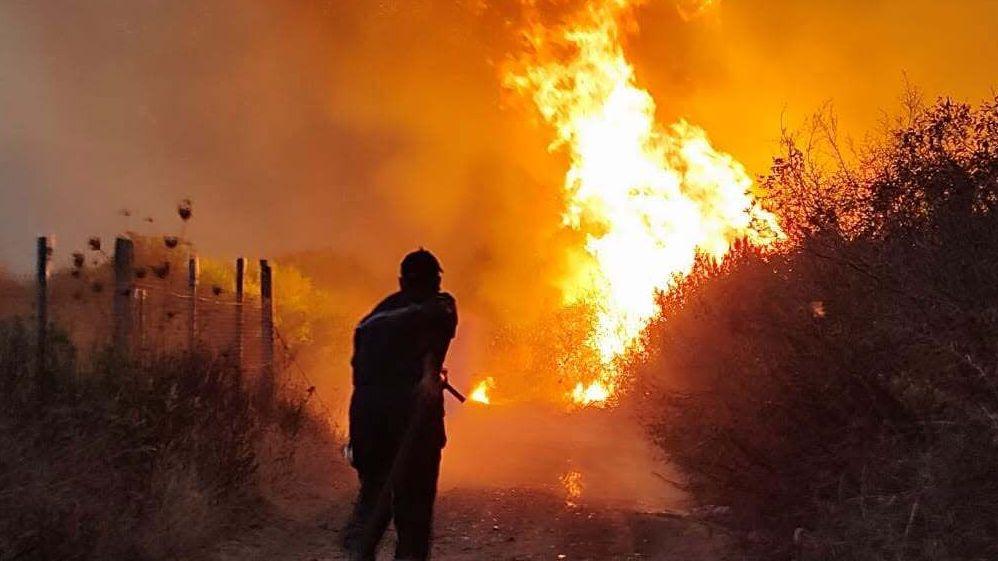
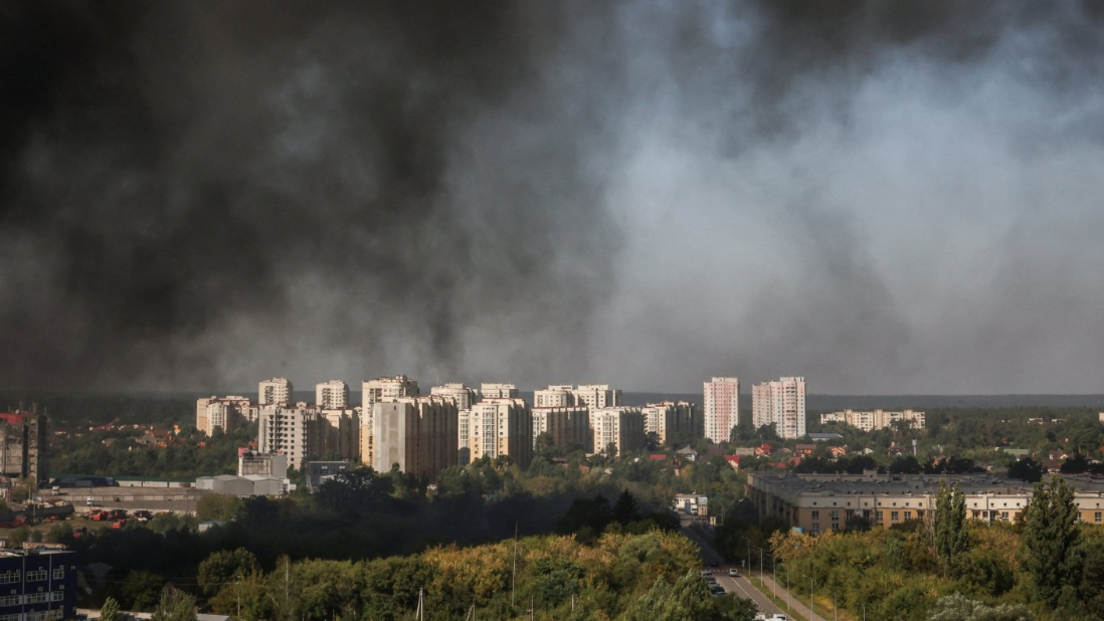
Two firefighters pull a red hose in front of a forest on fire. The blaze that currently threatens the outskirts of Bordeaux, France, has turned residents anxious and fearful, as thick smoke has rolled over the city’s skyline.
Local resident Pierre Pourquery explains that people are wearing masks and struggling to breathe under the persistent haze. He describes a "wall of orange flames" that once rolled over the hills in neighboring villages, bringing the fire within 10 metres of a family’s home and forcing a four‑day evacuation.
Spanish Wildfires: The Human Toll
In Spain’s Central Madrid region and the Castellón province, fire has scorched over 27,000 hectares. Residents like Olga Congacha and María Garcia report “a critical situation” with people fleeing their homes amidst continuous smoke and thunderous rumble of flames.
Indigenous Insights on Fire Management
Pre‑colonial peoples worldwide used fire as a tool for shaping ecosystems, clearing invasive species and fostering biodiversity. In Australia’s eucalyptus forests, fire‑timed grazing by Indigenous ranger groups keeps underbrush low and reduces the risk of catastrophic wildfires. Similarly, the Amang, a community on the island of Vanuatu, historically used controlled fires to manage wetlands and protect staple crops.
Modern science acknowledges that traditional fire practices lower fuel loads without damaging ecosystems. Integrating these age‑old strategies with contemporary firefighting technology could mitigate the spread of future blazes that threaten modern cities and rural communities alike.
The Need for Policy Change
The current crisis has displaced thousands, including holidaymakers in the Gironde department and visitors in Lacanau. A larger public debate is needed to ensure that those most at risk—often indigenous or marginalized groups—have access to evacuation resources, mental health support and long‑term recovery programs.
The stories of residents like Sarah from Hertfordshire and her sister‑in‑law Georgia, who lost potential refunds, highlight the economic toll of misinformation. Indigenous communities have long argued that inclusive decision‑making and shared stewardship is essential for climate resilience, and the European continent is only beginning to heed this call.
With lakes, woodland and coastal villages growing increasingly vulnerable to fires, the present European disaster is both a warning and an invitation: to learn from those who have lived in partnership with fire for generations as a means of sustainable land management.