In brief
Spain's Prime Minister Pedro Sánchez maintains that he had no prior warning of the massive 72,000 migrant arrival in Ceuta, a claim that has sparked fierce debate in Parliament. He denies evidence of Moroccan state involvement and criticises reports that Moroccan forces were permissive. The crisis drew tens of thousands of protests across the country, reflecting deep unrest over migration policy and border management. Parliament has grappled with the implications for Spain’s humanitarian response and its relationship with Morocco amid accusations of a coordinated incursion.
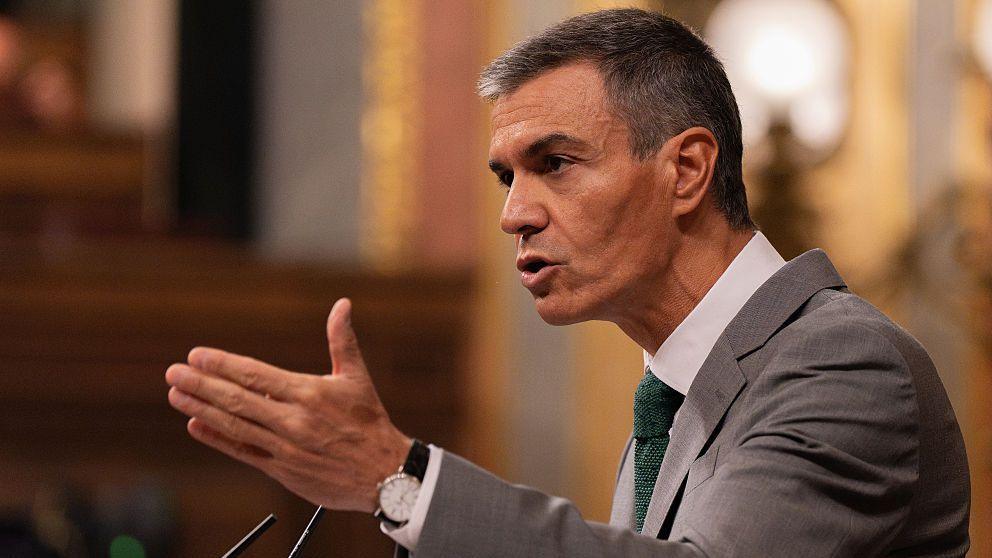
In a sharp defence before Spain’s Congress, Prime Minister Pedro Sánchez insisted that no one foreseen the sudden arrival of roughly 72,000 migrants in the North‑African enclave of Ceuta. The claim comes amid relentless scrutiny over Spain’s handling of the border and protests that have swept the country.
Sánchez refuted that the Spanish government knew of the impending surge and that the government had taken no action, saying “It’s absurd to think that the government knew and did nothing.” He further held that there was no evidence to suggest Morocco had orchestrated the crossing, challenging a police report that highlighted perceived permissiveness by Moroccan security forces.
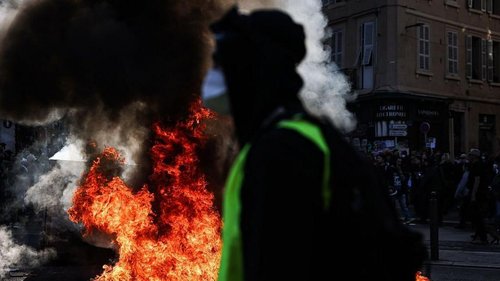
The crisis has left thousands of migrants—about five thousand still stranded on Ceuta’s beaches, including around 1,400 children—in a precarious situation. Most have already been returned to Morocco, but the lingering presence of the undocumented people has ignited tensions and sparked massive demonstrations. Tens of thousands of Spaniards marched across Madrid and other cities, voicing anger at the government as well as support for Ceutan residents.
Sánchez’s remarks have attracted criticism from both sides of the political spectrum. Opposition leader Alberto Núñez Feijóo accused Sánchez of lies and a cover‑up, pressing for the prime minister’s resignation. European partners have also reacted, with Italy imposing border restrictions on arrivals from Spain in response to the escalating crisis.
During the parliamentary debate, Sánchez reiterated his position regarding Spain‑Morocco relations, claiming no blame should be cast on Rabat and emphasising “proven, verified facts.” He criticised two Moroccan ministers for statements that questioned Spain’s sovereignty over Ceuta and Melilla, while also noting his willingness to address the issue with Morocco on a bilateral level.
The Spanish king, King Felipe VI, is slated to visit Ceuta and Melilla in the coming weeks to affirm the nation’s commitment to the exclaves. Sánchez praised Ceuta police for prioritising human life over strictly defending the border and highlighted the joint effort with Moroccan authorities to return the majority of migrants within 72 hours.
This crisis encapsulates the complex interplay between humanitarian responsibilities and geopolitical dynamics. It underscores the continuing challenges of border management and migration policy in a region where traditional boundaries now intersect modern crises.