In brief
The sudden torrents that swept through the Nepal‑Tibet border have devastated local Himalayan villages, claiming more than 160 lives and leaving countless missing. Indigenous residents, many of whom depend on the land for their livelihoods, are now fighting to survive as waters continue to rise. The Nepalese army and armed police are escorting survivors, but the rugged terrain and border restrictions hinder timely aid on the Tibetan side. Climate change‑driven weather shifts intensify such disasters, underscoring the urgent need for strengthened land‑and‑water stewardship in indigenous territories.
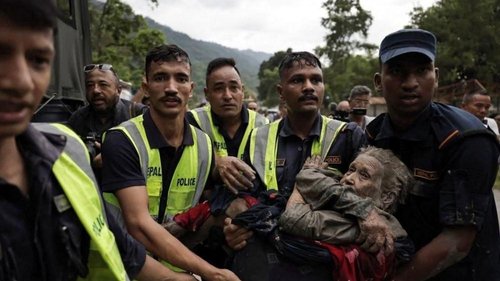
A torrent of floodwater surged across the high‑altitude border between Nepal and Tibet, drowning more than 160 people and plunging hundreds into missing‑person cases. The damage, captured in a rising video from northern Nepal, shows villagers clinging to mud heaps as the waters overtake their villages.
Many of the affected reside in remote valleys where tribal and ethnic identities are so tightly woven to the land that their loss is not only statistical but cultural. Their homes, livelihoods and communal rituals have been interrupted by the sudden devastation, leaving a community that must rebuild both physically and spiritually.
The Nepalese army and armed police forces have launched several rescue missions, but the rugged topography and the fact that the most dire flood zones lie on the Tibetan side constrain the speed and reach of aid. Efforts to move outlying villages to safer locations are slowed by difficult terrain and limited infrastructure.
Experts warn that such sudden floods are increasingly common in the Himalayas, driven by erratic monsoon cycles linked to climate change. As flooding grows more frequent, indigenous communities must advocate for sustainable land management, flood‑plain mapping and early‑warning systems to protect their homes and heritage.

For additional context, read the full BBC report at BBC News.